

Ultimate Handbook for Refrigerated Cold-chain Transport Trucks
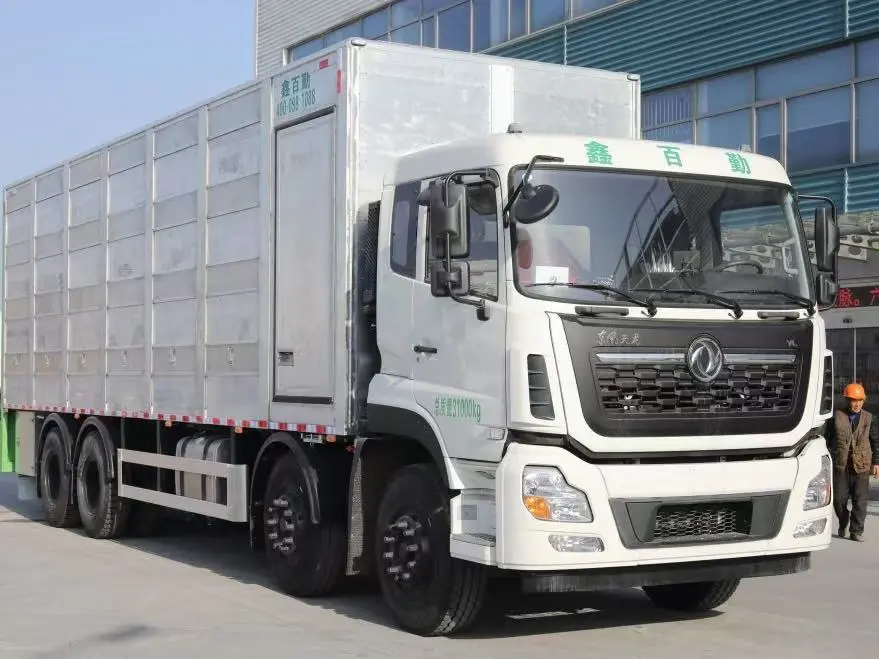
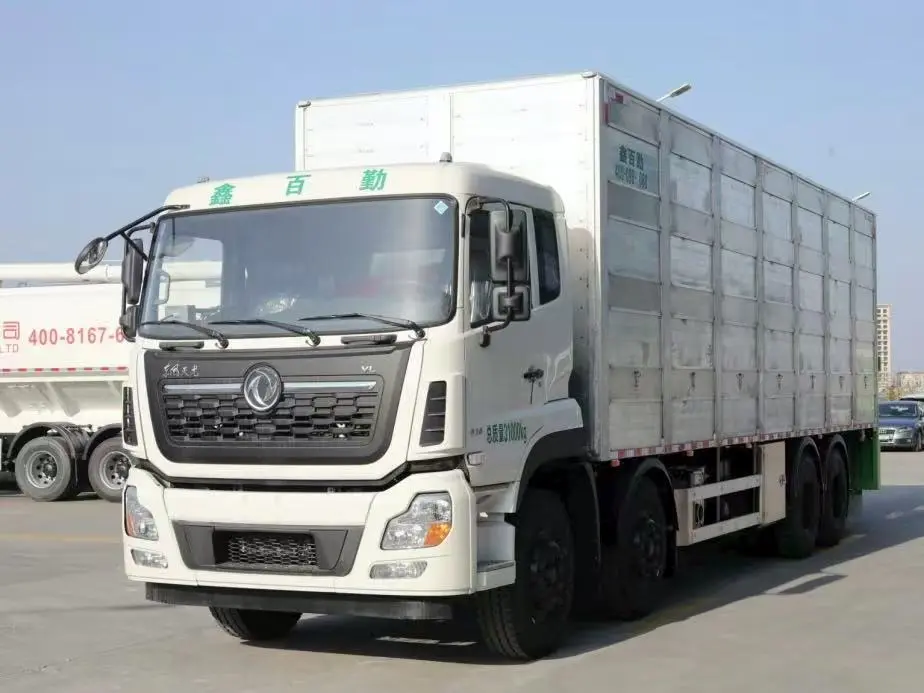
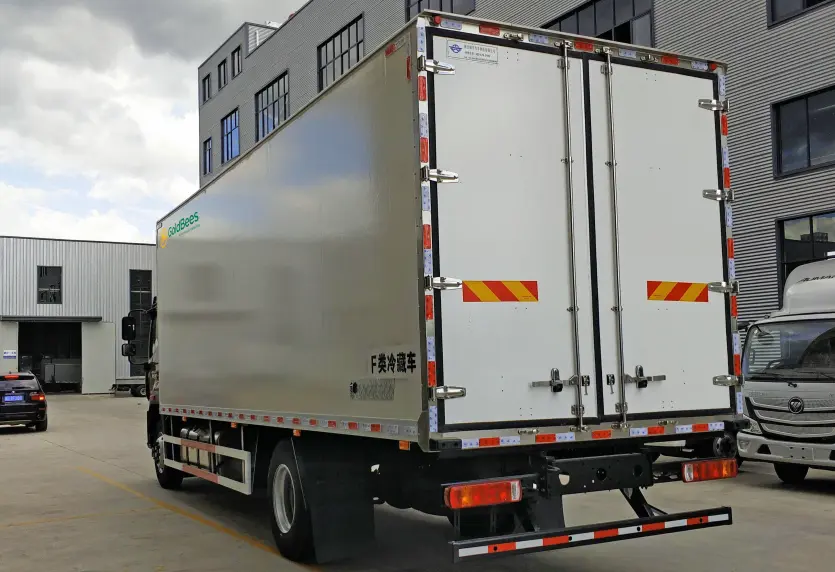
Refrigerated Cold-chain Transport Truck---Intelligent Multi-Functional Transportation
How Intelligent Control Systems Enhance Cold-chain Logistics
You can rely on intelligent control systems to make your cold-chain logistics smarter and safer. These systems help you manage temperature, humidity, and airflow inside your truck. When you use a Refrigerated Cold-chain Transport Truck---Intelligent Multi-Functional Transportation, you get more than just cooling. You get a system that can adjust settings automatically. If the temperature starts to rise, the system reacts right away. You do not have to worry about checking the controls every hour.
Tip: Intelligent control systems can send you alerts if something goes wrong. You can fix problems before they affect your cargo.
You can also use these systems to save energy. The truck only cools when it needs to. This helps you lower fuel costs and protect the environment. With a Refrigerated Cold-chain Transport Truck---Intelligent Multi-Functional Transportation, you can trust that your goods stay safe and fresh.
Multi-Zone Temperature Capabilities for Diverse Cargo
Sometimes, you need to carry different products at the same time. Some items need to stay frozen, while others need to stay cool but not freeze. A Refrigerated Cold-chain Transport Truck---Intelligent Multi-Functional Transportation lets you set up multiple temperature zones in one truck. You can divide the cargo area into sections. Each section has its own temperature control.
Here is a simple table to show how you might use multi-zone temperature settings:
| Zone | Example Cargo | Temperature Range |
|---|---|---|
| Zone 1 | Ice Cream | -20°C to -18°C |
| Zone 2 | Fresh Produce | 2°C to 4°C |
| Zone 3 | Flowers | 5°C to 7°C |
You can move different goods in one trip. You do not need separate trucks for each type of cargo. This saves you time and money. You also reduce the risk of spoilage because each product stays at the right temperature.
Real-Time Monitoring and Smart Sensors
You can use real-time monitoring and smart sensors to keep track of your cargo at every moment. These sensors measure temperature, humidity, and even door openings. If something changes, you get an alert right away. This helps you act fast and protect your goods.
- Smart sensors record data all the time.
- You can check the status from your phone or computer.
- If the temperature goes outside the safe range, you know instantly.
A Refrigerated Cold-chain Transport Truck---Intelligent Multi-Functional Transportation gives you peace of mind. You do not have to guess if your cargo is safe. You have proof and records for every trip. This makes it easier to meet safety rules and keep your customers happy.
Core Components and Technologies
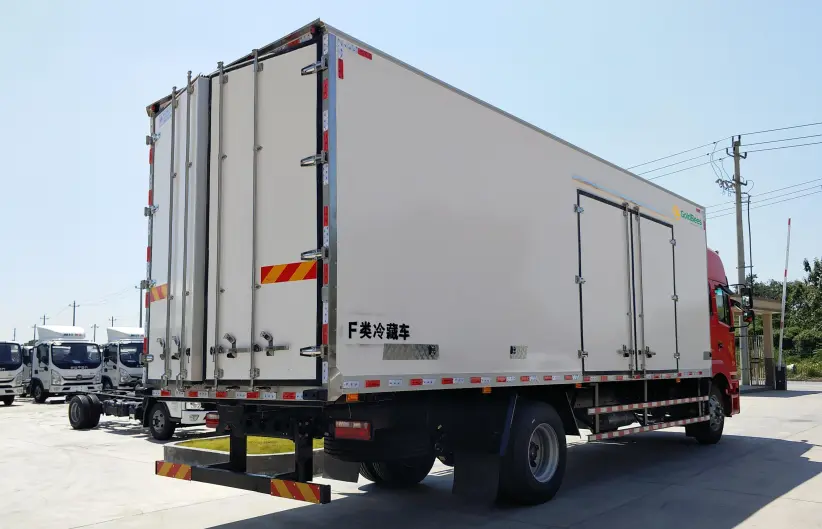
Advanced Refrigeration Systems
You need a strong refrigeration system to keep your cargo at the right temperature. These systems use compressors, condensers, and evaporators to move heat out of the truck. You can set the temperature for your cargo, and the system will keep it steady. Some trucks use electric refrigeration, while others use diesel-powered units.
Note: Modern refrigeration systems can cool down the cargo area quickly. This helps you load products without losing time or risking spoilage.
You can also find systems that adjust their power based on the outside temperature. This saves energy and keeps your goods safe. When you use a Refrigerated Cold-chain Transport Truck---Intelligent Multi-Functional Transportation, you get advanced cooling that protects your products on every trip.
Insulation and Thermal Barriers
Insulation keeps the cold air inside your truck. Good insulation uses materials like polyurethane foam or fiberglass. These materials stop heat from entering the cargo area. You also need thermal barriers, such as special doors and floor panels, to block heat from the outside.
Here is a table showing common insulation materials and their benefits:
| Material | Benefit |
|---|---|
| Polyurethane Foam | High thermal resistance |
| Fiberglass Panels | Lightweight |
| Vacuum Insulation | Superior performance |
You should check the insulation often. Small gaps or damage can let warm air in and cold air out. This can cause your cargo to spoil. Strong insulation and thermal barriers help you keep products fresh and safe.
Temperature Monitoring and Data Logging
You must track the temperature inside your truck at all times. Temperature monitoring systems use sensors to check the air and cargo temperature. These sensors send data to a display in the cab or to your phone. You can see if the temperature stays in the safe range.
- Data logging systems record temperature readings during the whole trip.
- You can use these records to prove your cargo stayed safe.
- If a problem happens, you can find out when and where it started.
Tip: Always review your data logs after each delivery. This helps you spot trends and fix problems before they get worse.
Telematics and IoT Integration
Telematics and IoT (Internet of Things) tools help you manage your fleet better. You can track your truck’s location, speed, and temperature in real time. These systems send alerts if something goes wrong, like a sudden temperature change or a door left open.
You can use telematics to plan better routes and avoid traffic. IoT devices can connect to your Refrigerated Cold-chain Transport Truck---Intelligent Multi-Functional Transportation and give you updates on your phone or computer. This helps you make quick decisions and keep your cargo safe.
Here is a simple code example showing how a sensor might send data:
temperature = read_sensor()
if temperature > 8:
send_alert("Temperature too high!")
With these technologies, you can keep your products safe, save money, and make your deliveries on time.
Overcoming Key Challenges in Cold-chain Transport
Maintaining Consistent Temperature
You must keep your cargo at the right temperature from start to finish. Even a small change can ruin sensitive goods. Use your truck’s smart sensors to check the temperature often. Set alerts to warn you if the temperature moves out of the safe range. Always close doors quickly to stop warm air from getting inside.
Tip: Park your truck in the shade when possible. This helps your cooling system work less and keeps the inside cold.
Ensuring Equipment Reliability
Your refrigeration equipment must work every time you use it. Check your system before each trip. Look for leaks, worn belts, or strange noises. Clean the condenser coils and make sure fans run smoothly. If you find a problem, fix it right away.
- Make a checklist for daily inspections.
- Keep spare parts in your truck for quick repairs.
Managing Environmental and Route Factors
Weather and road conditions can affect your delivery. Hot days make your cooling system work harder. Traffic jams can slow you down and risk spoilage. Plan your route to avoid delays. Use GPS and telematics to find the best path.
| Challenge | Solution |
|---|---|
| Hot Weather | Pre-cool the cargo area |
| Traffic Jams | Use real-time GPS |
Preventing Product Spoilage
You want your goods to arrive fresh. Load your cargo quickly to keep cold air inside. Place items in the right zones based on their needs. Check temperature logs after delivery to spot any problems.
Alert: Never overload your truck. Air must flow around the cargo to keep everything cool.
Regulatory Compliance and Industry Standards
Food Safety Modernization Act (FSMA) Requirements
You must follow the Food Safety Modernization Act (FSMA) if you transport food in the United States. FSMA sets rules to keep food safe during transport. You need to keep your truck clean and make sure the temperature stays in the safe range. You must train your staff to handle food safely. FSMA also asks you to prevent cross-contamination between different types of cargo.
Tip: Always check your truck for cleanliness before loading food. This helps you avoid problems later.
Good Distribution Practices (GDP) Guidelines
Good Distribution Practices (GDP) help you move medicines and other sensitive products safely. GDP asks you to keep products at the right temperature and protect them from damage. You should use proper packaging and handle goods with care. You must also check that your equipment works well.
Here is a simple checklist for GDP compliance:
- Keep products at the correct temperature
- Use clean and safe packaging
- Check equipment before each trip
- Train staff on safe handling
Documentation and Recordkeeping Essentials
You need to keep good records for every trip. These records show that you followed all rules and kept products safe. You should log temperatures, cleaning schedules, and staff training. If someone asks for proof, you can show your records.
| Record Type | Why It Matters |
|---|---|
| Temperature Logs | Prove safe transport |
| Cleaning Records | Show hygiene practices |
| Training Records | Confirm staff knowledge |
Good documentation protects your business and builds trust with your customers.
Best Practices for Safe and Efficient Operations
Pre-Trip Inspections and Preparation
You should always check your truck before every trip. Start by looking at the tires, lights, and brakes. Make sure the refrigeration unit works well. Check the temperature settings and confirm that the doors seal tightly. Use a checklist to help you remember each step. This habit helps you catch problems early and keeps your cargo safe.
Tip: Pre-cool your truck before loading. This step helps keep the cargo at the right temperature from the start.
Staff Training and Standard Operating Procedures
You need well-trained staff to run a safe operation. Teach your team how to use the Refrigerated Cold-chain Transport Truck---Intelligent Multi-Functional Transportation. Show them how to load cargo, set temperatures, and handle emergencies. Use clear standard operating procedures (SOPs) so everyone knows what to do. Review these SOPs often and update them when needed.
- Train staff on safe loading
- Practice emergency drills
- Review SOPs regularly
Predictive Maintenance and Proactive Repairs
You can avoid breakdowns by using predictive maintenance. Watch for warning signs like strange noises or temperature changes. Schedule regular checks for the refrigeration system and other parts. Fix small issues before they become big problems. This approach keeps your truck running and protects your cargo.
| Maintenance Task | How Often |
|---|---|
| Check refrigeration | Weekly |
| Inspect seals | Every trip |
| Clean sensors | Monthly |
Optimizing Cold-chain Transport Performance
Route Planning and Real-Time Adjustments
You can improve delivery times by planning your routes carefully. Use GPS and telematics to find the fastest and safest paths. Real-time data helps you avoid traffic jams, road closures, or bad weather. When you get alerts about delays, you can change your route right away. This keeps your cargo at the right temperature and reduces the risk of spoilage.
Tip: Always check your route before leaving. Update your plan if you see any new road conditions.
Load Management and Cargo Placement
You protect your products by loading them in the right way. Place items that need the coldest temperatures near the cooling unit. Keep air flowing around all cargo. Do not stack boxes too high or block vents. Use dividers for different temperature zones. This method keeps each product at its best temperature.
Here is a simple checklist for loading:
- Place coldest items closest to the cooling source
- Leave space between boxes for airflow
- Use dividers for different temperature needs
Leveraging Data Analytics for Continuous Improvement
You can use data analytics to make your cold-chain transport better every day. Review temperature logs, delivery times, and route reports. Look for patterns that show where you can improve. For example, if you see frequent temperature spikes, check your loading process or equipment.
| Data Type | What You Learn |
|---|---|
| Temperature Logs | Spot unsafe trends |
| Route Reports | Find faster paths |
| Delivery Times | Improve scheduling |
Note: Use your data to set new goals and track your progress. Small changes can lead to big results over time.
You play a key role in protecting temperature-sensitive goods with refrigerated cold-chain transport trucks.
- Use smart technologies and follow best practices to keep your cargo safe.
- Stay updated on industry standards.
Keep improving your process to ensure reliable and safe deliveries every time.