

Top 10 Features to Look for in Modern Livestock Transport Vehicles
- Robust Construction in Livestock Transport Vehicles
High-Quality Materials
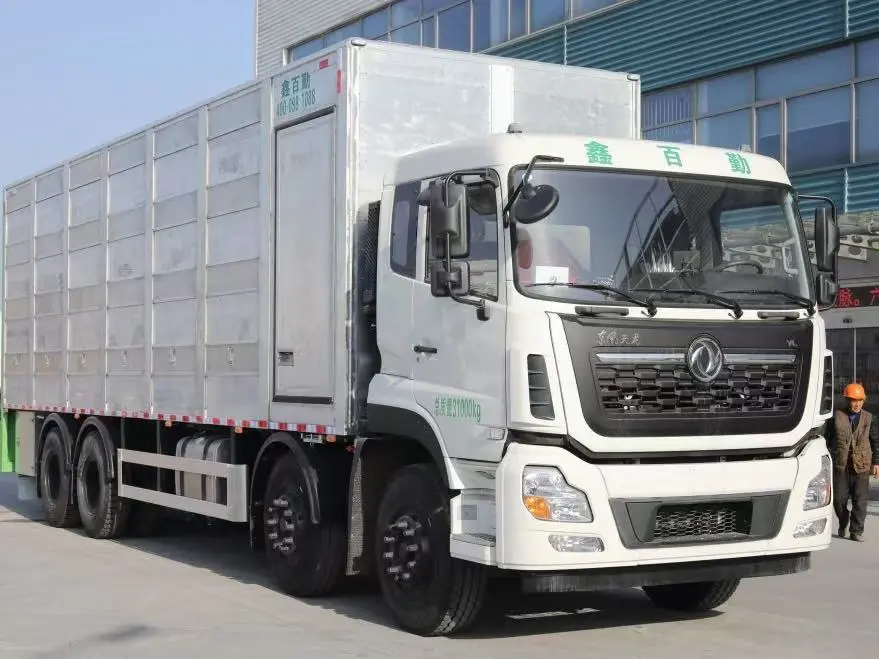
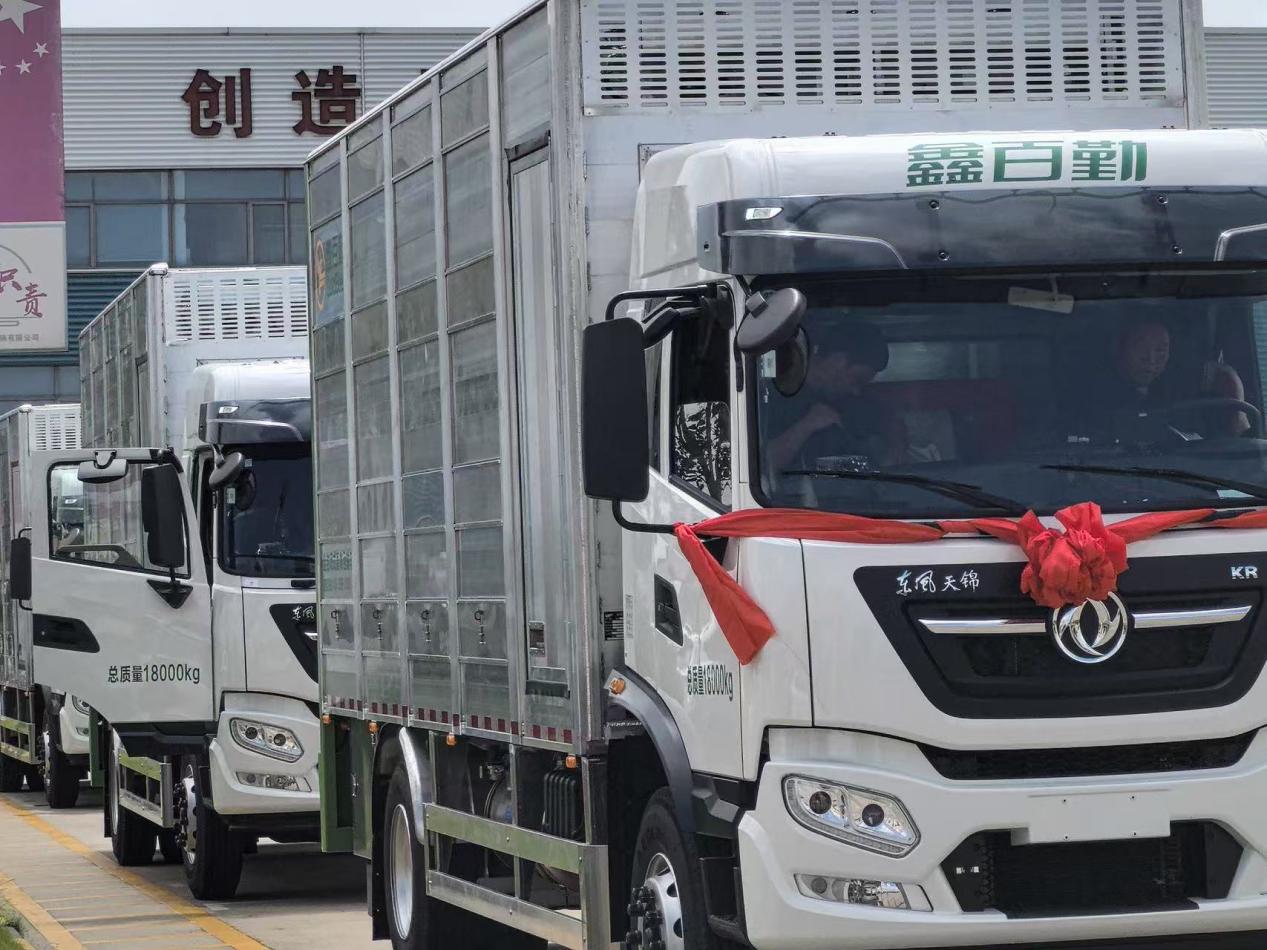
When I inspect livestock transport vehicles, I always check the materials first. Manufacturers like Walinga use galvanized steel chassis and aluminum panels. This combination gives the trailer strength and keeps the weight down. I have found that these materials resist rust and damage from harsh weather. They also help lower fuel costs because the vehicle stays lighter.
I prefer vehicles built with heavy-duty metals and advanced welding. These features make the trailer last longer and reduce the risk of breakdowns on the road. I have seen that high-quality materials also make cleaning easier. Hydraulic assist panels and smooth surfaces save time during maintenance. In my experience, investing in better materials pays off over the long term.
Tip: Choose vehicles with corrosion-resistant metals and precision assembly. This choice protects your investment and supports animal welfare.
Structural Integrity
I believe that structural integrity is the backbone of any reliable livestock transport vehicle. Precision assembly and secure locking mechanisms keep animals safe during every trip. I have spoken with fleet managers who confirm that strong frames and reinforced joints prevent accidents and delays.
A well-built vehicle handles rough roads and heavy loads without bending or warping. I have noticed that features like roll stability controllers and automated ventilation systems add another layer of safety. These systems work together to keep animals calm and secure. When the structure holds up, animals arrive with less stress and fewer injuries.
I always recommend vehicles that combine robust construction with smart design. This approach ensures long-term efficiency and reliable performance for every journey.
Advanced Ventilation Systems in Livestock Transport Vehicles
Continuous Airflow
When I inspect livestock transport vehicles, I always pay close attention to the ventilation system. Continuous airflow is essential for animal comfort and safety. I look for vehicles that use a combination of strategically placed air inlets and powerful exhaust fans. These features keep fresh air moving throughout the compartments, even when the vehicle stops.
I have seen that well-designed ventilation systems do more than just move air. They help remove excess heat and moisture, which keeps animals cool and reduces the risk of heat stress. In my experience, vehicles with adjustable natural ventilation openings perform best. These openings allow me to control airflow based on weather and animal load.
Tip: Always check for adjustable vents and reliable fans. These features make a big difference during long trips or when the vehicle is stationary.
I often refer to research that highlights the importance of ventilation and stocking density. Proper airflow management directly impacts animal welfare. For example, front compartments can reach temperatures over 30°C if airflow is poor. The table below shows how different factors affect temperature inside the vehicle:
| Factor | Effect on Temperature Difference (DT) |
|---|---|
| Compartment location | Most significant impact; front compartments can exceed 30°C |
| Deck height | Small differences observed (1.2°C in lorry, 0.9°C in trailer) |
| Height of ventilation openings | Increasing height decreases DT |
| Wind speed | Increasing wind speed decreases DT |
| Vehicle speed | No significant effect on DT |
| Temperature variability | Up to 12°C variation within compartments |
Heat Stress Prevention
I have learned that preventing heat stress is one of the most important goals in livestock transport. Advanced ventilation systems play a key role. They create a steady flow of air that cools animals by removing heat and moisture. This process also helps eliminate harmful gases like ammonia and dust, which can cause respiratory issues.
In hot weather, I sometimes use vehicles with evaporative cooling systems. These systems lower the air temperature even further, which keeps animals comfortable and healthy. Research shows that advanced ventilation can reduce heat stress mortality by up to 15% and improve feed efficiency by 10%. I have seen these benefits firsthand during summer transports.
Maintaining a stable temperature and effective air exchange supports animal health and productivity. I always recommend investing in vehicles with advanced ventilation systems to ensure the best outcomes for both animals and operators.
Temperature Control and Insulation Features
Protection from Extreme Weather
I always prioritize temperature control when I select livestock transport vehicles. Animals face serious risks if exposed to extreme heat or cold during transit. I have seen how insulated panels and climate control systems shield livestock from harsh weather. These features keep the internal environment stable, even when outside temperatures swing wildly.
Poor temperature control can lead to severe health problems for animals. I often refer to the following table to explain the dangers:
| Effect of Poor Temperature Control | Description | Impact on Livestock Health |
|---|---|---|
| Heat stress and increased body temperature | Environmental temperatures exceeding thermoneutral zone (around 23 ± 2 °C for sheep) cause heat stress, raising core body temperature and challenging thermoregulation. | Leads to physiological stress, reduced production performance, and potential endangerment of animal lives. |
| Altered blood biochemistry | Heat stress reduces triglycerides (TG) and free fatty acids (FFA) due to increased energy consumption; thyroid hormone (T4) levels increase as an adaptive metabolic response. | Indicates metabolic stress and altered energy homeostasis, reflecting compromised health. |
| Increased Temperature Humidity Index (THI) during transport stops | Poor ventilation during vehicle stops raises THI, exacerbating heat stress conditions. | Worsens animal welfare by increasing heat load and stress during transport breaks. |
| Transport stress effects | Transport duration and environmental temperature are major stressors, affecting neuroendocrine regulation and physiological functions. | Causes transport stress that can reduce growth performance and meat quality post-transport. |
I have witnessed firsthand how proper insulation and temperature regulation prevent these issues. When I use vehicles with advanced insulation, animals arrive healthier and less stressed.
Tip: Always check for vehicles with thick insulation and reliable temperature control systems. These features protect animals from sudden weather changes.
Consistent Internal Climate
Maintaining a consistent internal climate inside livestock transport vehicles is essential for animal welfare. I rely on vehicles equipped with automated temperature sensors and adjustable ventilation. These systems monitor and regulate the environment in real time. I have found that a steady climate reduces stress and keeps animals comfortable throughout the journey.
When the internal temperature stays within the animals’ comfort zone, I notice fewer signs of distress. Animals eat better, move more calmly, and show improved health after transport. I recommend choosing vehicles that offer both heating and cooling options. This flexibility ensures that animals remain safe, whether traveling in summer heat or winter cold.
A stable internal climate not only supports animal health but also helps meet regulatory standards. I always advise transporters to invest in modern climate control features for the best results.
Non-Slip Flooring for Livestock Transport Vehicles
Injury Prevention
When I inspect a transport vehicle, I always check the flooring first. Injuries from slipping can cause pain, stress, and even long-term health problems for animals. Over the years, I have found that the right flooring makes a huge difference. Industry research points to rubber mats—like Horse Trailer Mats, Bed Mattress Mats, Cow and Horse Mats, and Custom Mats—as the best option for injury prevention. These mats provide secure traction, which keeps animals steady as they move or stand during transit. I have seen fewer leg injuries and less bruising when vehicles use high-quality rubber mats. Their durability stands up to heavy traffic and rough handling, so I do not worry about frequent replacements. I also appreciate that rubber mats are easy to clean, which helps maintain hygiene and reduces the risk of disease.
Tip: Regularly inspect mats for wear and replace them when they lose grip. This simple step can prevent costly veterinary bills and improve animal welfare.
Safe Movement
Safe movement inside the vehicle is essential for both animals and handlers. I have watched animals hesitate or panic when they sense a slippery surface. This hesitation can lead to crowding or falls, especially during loading and unloading. Rubber mats create a stable, non-slip surface that encourages animals to walk calmly and confidently. I notice that animals move more willingly and handlers can guide them with less force. This reduces stress for everyone involved. I recommend choosing mats that fit snugly and cover all walking areas. A well-designed non-slip floor supports smooth operations and keeps animals safe from start to finish.
- 🐄 Animals walk with confidence on secure footing.
- 🧹 Cleaning becomes easier, supporting a healthier environment.
Adjustable Partitions and Space Management
Flexibility for Animal Sizes
When I select a transport vehicle, I always look for adjustable partitions. These partitions let me customize the space for different animal sizes. I can move the dividers to create larger or smaller compartments. This flexibility helps me transport cattle, sheep, pigs, or goats in the same vehicle without compromising their comfort.
I have noticed that animals travel better when they have enough room to stand and lie down. Adjustable partitions prevent overcrowding and reduce the risk of injuries. I can also adapt the space for young or mature animals. For example, I use tighter partitions for lambs and wider ones for adult cattle. This approach keeps animals stable during transit and minimizes stress.
Tip: Always check the locking mechanism on partitions. Secure locks prevent shifting during travel and keep animals safe.
Grouping and Separation
I often need to separate animals by species, age, or temperament. Adjustable partitions make this process simple. I can create separate groups within the same trailer, which helps me manage aggressive animals or protect vulnerable ones. This feature also supports biosecurity by limiting contact between different groups.
Here are some benefits I have experienced with proper grouping and separation:
- 🐑 Reduced fighting and injuries among animals
- 🐄 Easier monitoring of animal health during transport
- 🐖 Improved loading and unloading efficiency
I find that well-designed partitions save time and reduce stress for both animals and handlers. I recommend choosing vehicles with easy-to-move dividers and clear labeling for each compartment. This setup streamlines operations and supports animal welfare throughout the journey.
Easy Loading and Unloading Mechanisms

Ramps and Gates
When I evaluate a transport vehicle, I always check the ramps and gates first. A well-designed ramp makes a big difference in animal welfare. I look for ramps with non-slip surfaces and gentle slopes, never steeper than 20 degrees. This design helps animals move safely and confidently. I prefer ramps that are at least 15 meters long, with smooth transitions and no sudden level changes. Clean, dry floors prevent slipping and reduce the risk of injury.
I have learned that animals move best when the path is wide and free of sharp turns. Narrow passages or steep slopes can cause animals to hesitate or panic. I use behavioral principles to guide animals, such as allowing them to follow each other naturally. I avoid using electric prods and instead rely on tools like flappers or metallic rattles. These methods keep animals calm and reduce stress.
Tip: Always train handlers to move animals quietly and efficiently. Calm handling leads to fewer injuries and smoother loading.
Here are some key features I look for in ramps and gates:
- Non-slip flooring for secure footing
- Gentle slopes (no more than 20 degrees)
- Wide, straight paths without sharp turns
- Clean, dry surfaces at all times
- Gates that open smoothly and lock securely
Hydraulic Lifts
Hydraulic lifts have transformed how I load and unload animals, especially when dealing with multiple deck levels. These lifts raise or lower entire groups of animals at once, which reduces the need for steep ramps. I find that hydraulic systems provide a stable platform, so animals do not have to climb or jump. This feature prevents slips, falls, and bruises.
I appreciate that hydraulic lifts save time and reduce labor. Handlers can operate the lift with simple controls, which improves efficiency. Animals experience less stress because the movement is smooth and predictable. I always choose vehicles with reliable hydraulic systems for large operations or when transporting heavy livestock.
Hydraulic lifts and well-designed ramps work together to create a safer, more efficient loading process. I have seen fewer injuries and calmer animals when these features are in place.
Efficient Cleaning and Drainage Systems
Hygiene Maintenance
I always prioritize hygiene when I prepare a vehicle for animal transport. Cleanliness protects both animals and handlers from potential hazards. I follow a strict cleaning routine that targets every part of the vehicle. My process starts with dry cleaning to remove large debris and organic matter. I use brushes and scrapers to reach wheel arches, tires, mudguards, and even the underside. This step reduces contamination before I move on to washing.
Next, I apply detergents like Neutrafoam™ to break down greasy deposits. These detergents help remove stubborn residues and improve the overall cleaning process. After washing, I disinfect all surfaces using a broad-spectrum agent such as Virkon® S. This step eliminates viruses, bacteria, and fungi that might remain after cleaning. I always ensure proper drainage and allow the vehicle to dry completely. Dry surfaces prevent pathogens from surviving and spreading.
Tip: Never skip cleaning the cab, equipment, and ramps. Proper waste disposal and personal protective equipment add another layer of protection.
Disease Risk Reduction
I have seen how thorough cleaning and drainage systems can dramatically reduce disease risk during transport. Removing organic soiling and disinfecting all areas limits the spread of infectious agents. I always clean and disinfect the cab and equipment, not just the animal compartments. This comprehensive approach minimizes disease transmission.
Regulatory agencies use a structured approach to evaluate cleaning and drainage systems. The table below outlines how they ensure effectiveness:
| Evaluation Aspect | Description |
|---|---|
| Routine Evaluation | Establishments must routinely assess the effectiveness of Sanitation SOPs to prevent contamination. |
| Daily Monitoring | Daily checks are required to ensure procedures in Sanitation SOPs are properly implemented. |
| Corrective Actions | When failures are detected, establishments must take corrective steps to restore sanitation and prevent recurrence. |
| Recordkeeping | Daily records documenting SOP implementation and corrective actions must be maintained and authenticated. |
| Agency Verification | FSIS verifies effectiveness by reviewing SOPs, records, direct observation, and sanitary condition testing. |
I keep detailed records of my cleaning routines and corrective actions. This documentation helps me meet regulatory standards and ensures a safe environment for every journey. Efficient cleaning and drainage systems form the foundation of disease prevention in livestock transport vehicles.
Secure Restraint and Containment Features
Escape Prevention
When I select a vehicle for animal transport, I always check the security of the containment systems. Animals can become restless during transit. If the gates or barriers fail, animals may escape, causing danger to themselves and others. I look for solid, well-fitted gates with strong latches. I prefer locking mechanisms that cannot be opened accidentally or by curious animals.
I often see vehicles with double-gate systems at entry and exit points. This design adds an extra layer of security. I also check for reinforced side panels and roof structures. These features prevent animals from pushing through weak spots.
Tip: Always inspect gates and latches before every trip. A quick check can prevent costly escapes and injuries.
Here are some features I rely on for escape prevention:
- Heavy-duty locking systems
- Double-gate entry points
- Reinforced side and roof panels
- Tamper-proof latches
Animal Safety
Animal safety remains my top priority during transport. Secure restraint systems keep animals calm and prevent injuries. I use adjustable head partitions and padded barriers to separate animals safely. These features reduce the risk of trampling or aggressive behavior.
I have found that smooth, rounded edges on all barriers help prevent cuts and bruises. I also look for vehicles with emergency release mechanisms. These allow me to free animals quickly if needed.
A table of key safety features I recommend:
| Safety Feature | Benefit |
|---|---|
| Padded partitions | Reduces bruising and stress |
| Rounded barrier edges | Prevents cuts and scrapes |
| Emergency releases | Allows fast animal rescue |
| Adjustable restraints | Fits different animal sizes |
Note: Regularly train staff on proper use of restraint systems. Well-trained handlers make a big difference in animal safety.
I always choose vehicles that combine strong containment with thoughtful restraint features. This approach keeps animals secure and healthy throughout the journey.
Real-Time Monitoring and Tracking Technology
GPS and Route Optimization
I rely on GPS technology every time I plan a livestock journey. Real-time tracking lets me monitor the vehicle’s exact location at any moment. I use this data to choose the safest and most efficient routes. When I see traffic delays or road closures, I adjust my route immediately. This flexibility helps me avoid long stops that can stress animals.
I also use route optimization software. It calculates the best path based on distance, road conditions, and weather. I have noticed that shorter, smoother trips reduce animal fatigue and improve arrival conditions. GPS tracking gives me peace of mind. I know where my animals are and how long the journey will take.
Tip: Always check your GPS system before departure. A reliable signal ensures you can respond quickly to any changes on the road.
Here are some benefits I have experienced with GPS and route optimization:
- Reduced travel time and fuel costs
- Fewer unexpected stops
- Improved animal welfare through smoother journeys
Animal Health Monitoring
I use real-time health monitoring systems to track animal well-being during transport. Sensors measure temperature, humidity, and even animal movement. I receive alerts if conditions change or if an animal shows signs of distress. This technology allows me to act fast and prevent health problems.
I have seen how early detection of issues, such as overheating or dehydration, can save lives. I check the data on my mobile device or dashboard display. If I spot a problem, I can adjust ventilation or stop for a welfare check.
A table of key health metrics I monitor:
| Metric | Why I Monitor It |
|---|---|
| Temperature | Prevents heat stress |
| Humidity | Reduces respiratory risks |
| Movement | Detects distress or injury |
I recommend investing in vehicles with integrated health monitoring. This approach supports animal welfare and helps me meet industry standards.
Compliance with Animal Welfare Regulations
Meeting Legal Standards
I always make regulatory compliance my top priority when transporting animals. Laws like the Animal Welfare Act set clear expectations for vehicle design and animal care. I have learned that meeting these standards starts with the right equipment and trained staff. Vehicles must offer proper ventilation, temperature control, and protection from the elements. These features reduce animal stress and injury, which helps me stay within legal boundaries.
I rely on technology to support compliance. GPS tracking and onboard sensors let me monitor animal conditions in real time. If I notice a problem, I can act quickly to protect animal welfare. Industry guidelines, such as those from the National Cattlemen's Beef Association, recommend specific vehicle features and driver training. I follow these recommendations to align my practices with government regulations.
Note: Poor transport conditions, like overcrowding or lack of ventilation, increase the risk of injuries and disease. I avoid these pitfalls by investing in quality vehicles and planning each journey carefully.
Exceeding Industry Requirements
I believe that simply meeting the minimum legal standards is not enough. I strive to exceed industry requirements whenever possible. Well-designed vehicles and skilled handlers lead to better animal welfare outcomes and higher compliance rates. I see this as an investment in both animal health and my business reputation.
Here are some ways I go beyond the basics:
- I use advanced monitoring systems to track animal health and comfort.
- I train my staff regularly on best practices for animal handling and emergency response.
- I maintain open communication with partners and regulators to stay updated on new standards.
International cooperation and improved communication during transport also play a key role. By working with others in the industry, I help ensure that vehicle standards and welfare regulations are followed at every stage of the journey.
When I choose livestock transport vehicles, I always focus on these ten features. They help me protect animal welfare, improve safety, and boost efficiency. I have seen how each feature makes a difference on every journey. I recommend using this checklist before making a purchase. Careful selection leads to better results for both animals and operations.
Remember: The right vehicle supports your success and keeps your animals healthy.
FAQ
What maintenance does a livestock transport vehicle require?
I check my vehicle before every trip. I inspect flooring, ventilation, and locking systems. I clean and disinfect all compartments after each use. I schedule regular servicing for hydraulic lifts and temperature controls. This routine keeps my vehicle safe and reliable.
How do I choose the right size vehicle for my animals?
I match the vehicle size to the number and type of animals. I use adjustable partitions for flexibility. I always follow legal stocking density guidelines. This approach prevents overcrowding and supports animal welfare.
Can I retrofit older vehicles with modern features?
Yes, I have upgraded older vehicles with new ventilation, non-slip flooring, and monitoring systems. I consult with manufacturers for compatibility. Retrofitting improves safety and helps me meet current regulations.
What documents do I need for compliant animal transport?
I always carry transport permits, animal health certificates, and cleaning records. I keep a checklist:
- Vehicle inspection log
- Animal identification papers
- Emergency contact list
Tip: I organize all documents in a folder for quick access during inspections.