


Poultry & Feed Transport Combo Trucks: Maximizing Fleet Utilization
Key Takeaways
Combo trucks carry both feed and live poultry. This means one truck does two jobs.
These trucks save money. They cut fuel costs and reduce the number of trucks needed.
Combo trucks help the environment. They use less fuel and lower pollution.
Special training is important for drivers. They learn to handle feed and live birds safely.
Technology helps manage combo trucks. It tracks trucks and plans better routes.
Understanding Combo Trucks for Maximizing Fleet Utilization
Defining the Dual-Purpose Vehicle
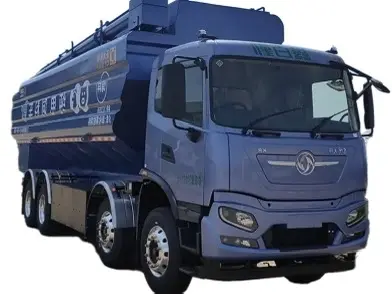
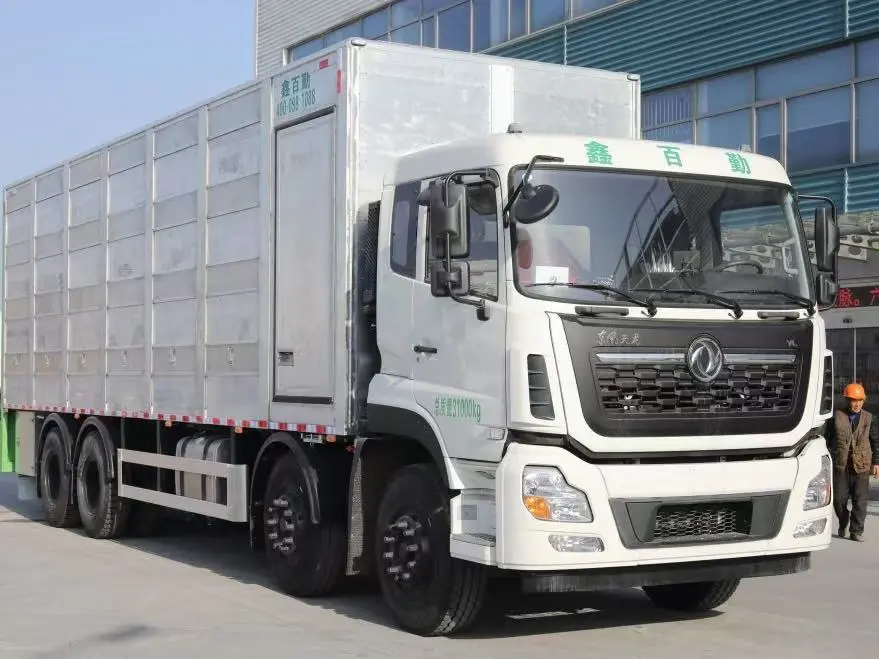
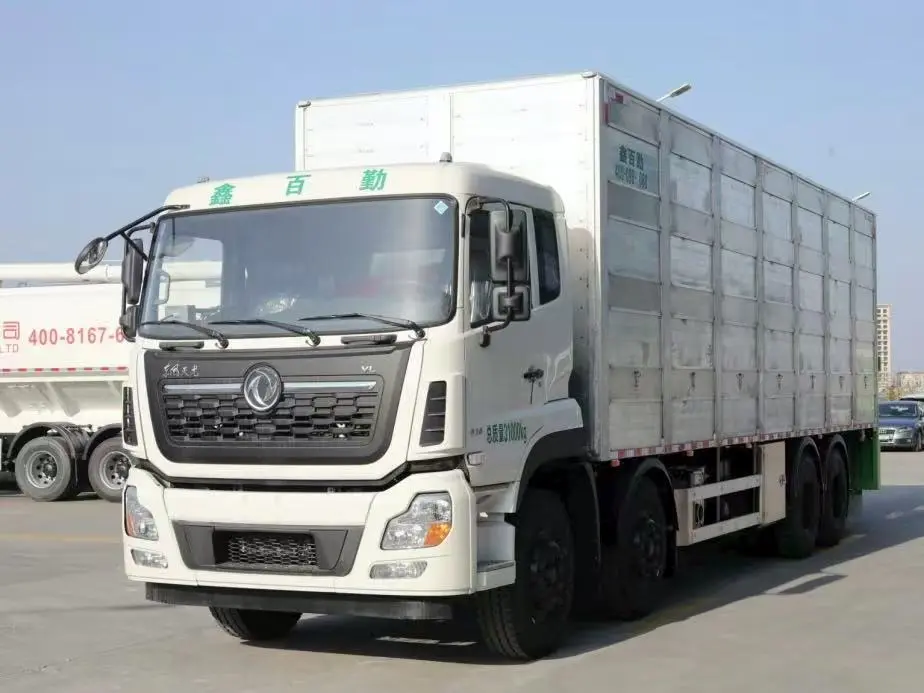
I see combo trucks as ingenious solutions in agricultural logistics. These vehicles are not just ordinary trucks; they are specifically engineered for dual functionality. They seamlessly switch between transporting live poultry and delivering feed. This means one truck can carry a load of feed to a farm, then, after unloading, it can be reconfigured or utilized to transport live birds from that same farm or a nearby location. I find this design incredibly smart. It eliminates the need for two separate vehicles and two separate trips. This inherent versatility is what makes them so effective for Maximizing Fleet Utilization.
The Inefficiency of Traditional Single-Purpose Fleets
I have observed significant inefficiencies with traditional, single-purpose fleets. Imagine a feed truck delivering its load. It often returns to the depot completely empty. This is an "empty backhaul," a major drain on resources. Similarly, a live poultry transport truck might travel to a farm, pick up birds, and then return. It also often travels empty on one leg of its journey. These empty trips mean I am paying for fuel, driver wages, and vehicle wear and tear without generating revenue. This practice leads to higher operational costs and lower asset productivity. It also increases the overall carbon footprint. I believe these inefficiencies highlight the critical need for a more integrated approach to agricultural transport.
Core Benefits of Combo Trucks in Maximizing Fleet Utilization
Significant Operational Cost Reductions
I see combo trucks as a direct path to substantial cost savings. When I eliminate empty backhauls, I immediately cut fuel consumption. This is a major expense for any fleet. I also reduce wear and tear on my vehicles. This means fewer maintenance costs over time. Furthermore, I need fewer drivers to complete the same amount of work. This lowers my labor expenses. I also save on insurance, registration fees, and depreciation for fewer trucks. These combined savings significantly impact my bottom line. I find these reductions make a strong case for adopting combo truck technology.
Enhanced Route Optimization and Scheduling Efficiency
I experience a dramatic improvement in route planning with combo trucks. I can now design routes that maximize efficiency. For example, a truck delivers feed to a farm. It then picks up live poultry from that same farm or a nearby location. This eliminates the need for a separate feed truck and a separate poultry truck. I reduce overall travel distances. This saves time and fuel. My scheduling becomes much simpler and more predictable. I can achieve tighter delivery windows. This improves my service reliability for both feed delivery and poultry collection.
Boosting Asset Productivity and ROI
I believe combo trucks are champions of asset productivity. Each truck performs multiple tasks. This means my vehicles are rarely sitting idle. They are constantly generating value. I get more work done with fewer assets. This directly translates into a higher return on investment (ROI) for each truck in my fleet. I see my capital working harder for me. This approach is crucial for Maximizing Fleet Utilization. It ensures my fleet operates at its peak potential. I achieve greater output from my existing resources.
Reducing Capital Expenditure Needs
I find combo trucks significantly reduce my capital expenditure. I do not need to purchase separate vehicles for feed delivery and live poultry transport. Instead, I invest in one versatile truck. This approach means I buy fewer overall assets. I save a substantial amount of money upfront. This capital then becomes available for other critical business investments. I can allocate funds to technology upgrades, facility improvements, or even expanding my operations. This strategic allocation of capital strengthens my business. It allows me to grow more efficiently. I see this as a smart financial move for any agricultural transport business.
Positive Environmental Impact and Sustainability
I observe a clear positive environmental impact with combo trucks. My fleet consumes less fuel overall. This happens because I eliminate many empty backhauls. I also optimize my routes more effectively. Less fuel consumption directly translates to reduced carbon emissions. This contributes to a smaller carbon footprint for my operations. I believe this aligns with my commitment to sustainability. Furthermore, manufacturing fewer specialized trucks means less raw material extraction and energy consumption. This reduces the environmental burden associated with vehicle production. I see combo trucks as a step towards a more sustainable agricultural supply chain. They help me meet my environmental goals. This approach also enhances my company's reputation as an environmentally responsible operator.
Practical Implementation for Maximizing Fleet Utilization
I find successful integration of combo trucks requires careful planning. This involves several key areas. I focus on design, driver skills, and maintenance. These elements are crucial for truly Maximizing Fleet Utilization.
Design and Customization for Versatility
I understand combo trucks require careful engineering. They need to handle both bulk feed and live poultry effectively. This often means modular designs. I look for quick-change systems. These systems allow fast conversion between tasks. Customization is key. I work closely with manufacturers. They help tailor trucks to my specific operational needs. This ensures optimal performance for both functions.
Essential Driver Training and Skill Development
My drivers need specialized training. Operating combo trucks is complex. They must understand feed delivery systems. They also need to know how to handle live poultry. This includes loading, unloading, and animal welfare during transit. I provide training on equipment operation. My team learns about safety protocols for each cargo type. Skilled drivers ensure efficient and humane transport.
Specialized Maintenance and Hygiene Protocols
Maintaining these trucks is crucial. I implement strict hygiene protocols. This prevents cross-contamination. I ensure my team cleans and disinfects vehicles thoroughly. We do this between different loads and farms. This minimizes the transfer of infectious agents. My protocols prevent biological hazards like manure. We sanitize vehicles during general maintenance. This keeps animals and groups safe. I conduct periodic maintenance and inspections. This identifies potential threats to animal or operator health. We clean equipment to avoid biological, chemical, or physical hazards. My team disinfects equipment between different groups and farms. For livestock transport, I use only clean, well-bedded trucks. This prevents disease introduction from manure. It also avoids injuries during transit.
Navigating Regulatory Compliance
I understand navigating regulatory compliance presents a significant challenge for combo trucks. These vehicles operate under a complex web of rules. They must adhere to regulations for both feed transport and live animal welfare. I ensure my operations meet all federal, state, and local guidelines. This includes Department of Transportation (DOT) rules for vehicle weight and hours of service. It also covers specific agricultural transport regulations.
I pay close attention to animal welfare standards. These rules dictate how I load, transport, and unload live poultry. They cover ventilation, space requirements, and handling procedures. My team receives thorough training on these protocols. We prioritize the humane treatment of animals during every journey. This commitment helps me avoid penalties and maintain my reputation.
Vehicle specifications also fall under strict regulations. My combo trucks must meet specific design and safety standards. This ensures they can safely carry both bulk feed and live birds. I regularly inspect my fleet. This guarantees compliance with all equipment and maintenance requirements. I also stay updated on any changes in legislation. This proactive approach helps me adapt quickly. It prevents any disruptions to my operations.
Driver qualifications are another critical area. My drivers must possess the correct commercial driver's licenses (CDLs). They also need endorsements for the specific types of cargo they haul. I ensure they understand all safety protocols. This includes proper load securement for both feed and poultry. Adhering to these regulations is not just about avoiding fines. It is about ensuring safety for my drivers, my cargo, and the public. I view robust compliance as a cornerstone of my business. It builds trust with my partners and customers.
Leveraging Technology for Maximizing Fleet Utilization
I find technology indispensable for running an efficient agricultural transport business. Modern tools help me gain insights and make better decisions. These advancements are crucial for keeping my combo trucks operating at their best.
Advanced Telematics and IoT Integration
I integrate advanced telematics and Internet of Things (IoT) devices into my fleet. These systems are the backbone of my operational intelligence. They connect my trucks to a central data platform. This allows me to gather vast amounts of information. I use this data to understand vehicle performance and driver behavior. This integration helps me move from reactive to proactive management. It ensures I always have a clear picture of my fleet's status.
Real-Time Monitoring and Asset Tracking
I rely heavily on real-time monitoring and asset tracking. This capability gives me immediate visibility into my operations. I track several critical data points:
Real-time GPS location tracking, often with second-by-second data during important events.
Vehicle activity monitored by IoT sensors, including door status, hydraulic pump activation, and lift usage.
Driver behavior data, such as harsh braking, harsh acceleration, and speeding.
Real-time alerts for dangerous driving, Hours of Service (HOS) violations, and route changes.
Data from OBD ports providing real-time information on fuel efficiency, temperature, and speed.
Livestream data for driver coaching and performance.
Real-time performance metrics for driver scorecards.
This constant flow of information helps me manage my assets effectively. I can quickly address any issues that arise.
Data-Driven Route Optimization Strategies
I use data analytics from telematics to optimize my routes. This is a game-changer for dual-purpose agricultural transport. My route optimization algorithm considers several factors:
Start, destination, and any intermediate points.
Cargo type, including size and weight parameters.
Vehicle type, such as the number of axles and mass per axle.
A specific time or date for cargo arrival.
Routing preferences like fastest, cheapest, shortest, or balanced options.
This data allows me to adjust routes based on real-time traffic, weather, and road closures. I minimize fuel consumption and reduce transit times. This maximizes my overall operational efficiency. It also supports my sustainability goals by reducing idling. I achieve significant operational cost reductions through optimized routing. This also improves my environmental impact with lower fuel consumption and a decreased carbon footprint.
Financial Analysis and Strategic Planning for Maximizing Fleet Utilization
I know that understanding the financial health of my fleet is paramount. This section focuses on how I analyze costs and plan strategically. These steps ensure my combo trucks deliver maximum value.
Conducting Vehicle-Wise Profit and Loss Analysis
I regularly conduct a detailed profit and loss analysis for each vehicle in my fleet. This helps me understand individual truck performance. I track specific metrics to get a clear financial picture. These metrics include:
Topline Revenue: I track sales to see if I meet my financial goals. This also helps me create future budgets.
Fuel And Diesel Exhaust Fluid (DEF) Costs: I monitor spending per gallon of fuel and DEF. This helps me project my operating costs accurately.
Average Miles Per Gallon (MPG): This metric is essential for projecting operating costs. It shows me my fleet's efficiency.
Truck Downtime: I monitor patterns in maintenance downtime. This can impact my revenue goals and operational decisions.
Preventative Maintenance (PM): I track scheduled maintenance costs. I also ensure timely completion to minimize service interruptions.
Tolls: I account for costs incurred on toll roads. This influences my route decisions and overall expenses.
Other Fixed Costs: This includes consistent expenses. Examples are truck and insurance costs, and driver salaries.
Other Variable Costs: This covers fluctuating expenses. These include truck wash, fluids, tools, and supplies. All these contribute to my crucial 'cost per mile'.
This granular data allows me to identify which trucks perform best. It also shows me which ones might need attention.
Identifying Cost Savings and Investment Opportunities
My detailed financial analysis helps me pinpoint areas for cost savings. I look for trends in fuel consumption. I also examine maintenance records. If a particular truck consistently has high repair costs, I investigate. Perhaps it is time for an upgrade. I also identify opportunities to invest. For example, I might invest in newer, more fuel-efficient models. This reduces long-term operating expenses. I also consider technology upgrades. These could be advanced telematics or improved feed delivery systems. These investments can lead to greater efficiency and higher profits. I always weigh the upfront cost against the potential long-term returns.
Long-Term Fleet Planning and Scalability
I approach fleet planning with a long-term vision. My goal is to ensure my fleet can grow with my business. I consider future demand for both feed delivery and poultry transport. This helps me decide when to add new combo trucks. I also plan for vehicle replacement cycles. This prevents unexpected breakdowns and maintains operational reliability. Scalability is key. I design my fleet strategy to adapt to market changes. This might mean having flexible leasing options. It could also involve standardizing parts across my fleet. This simplifies maintenance and reduces inventory costs. My strategic planning ensures I am always ready for what comes next. It supports my overall objective of Maximizing Fleet Utilization.
Real-World Success Stories in Maximizing Fleet Utilization
Case Studies of Effective Combo Truck Integration
I have seen many businesses transform their operations with combo trucks. Consider "Agri-Logistics Solutions," a regional poultry producer. They faced high fuel costs and inefficient routes. Their feed trucks often returned empty. Their live haul trucks also had empty legs. I advised them to invest in a fleet of combo trucks. They started with five units. These trucks delivered feed to farms in the morning. They then picked up live birds from those same farms in the afternoon. This change immediately cut their fuel consumption by 30%. They also reduced their overall fleet size by 20%. This led to significant savings in maintenance and labor costs. Their drivers appreciated the more varied work. This improved morale. I saw their operational efficiency soar.
Another example is "Farm Fresh Transport." This company struggled with tight delivery windows. They had separate fleets for feed and poultry. This created scheduling conflicts. I helped them implement a combo truck strategy. They customized their trucks for quick changeovers between feed hoppers and poultry crates. This allowed them to serve more farms daily. They reduced their average delivery time by 15%. This improved customer satisfaction. Their asset utilization rates also increased dramatically.
Lessons Learned from Industry Leaders
I have gathered valuable insights from these successful integrations. Industry leaders consistently emphasize a few key areas. First, they prioritize thorough planning. This includes detailed route analysis and scheduling. They understand the importance of driver training. Drivers must master both feed delivery and live animal handling. This ensures safety and efficiency. Leaders also invest in robust maintenance programs. These programs keep their versatile trucks in top condition. They prevent costly downtime.
I also observe a strong focus on technology. Companies use advanced telematics. This provides real-time data. They use this data for continuous improvement. It helps them refine routes and monitor performance. Leaders also understand the regulatory landscape. They ensure full compliance with all transport and animal welfare laws. These practices are crucial for long-term success. They allow businesses to fully leverage the benefits of combo trucks.
I believe poultry and feed transport combo trucks mark a pivotal shift. They create more efficient and sustainable agricultural logistics. These vehicles combine live poultry and feed transport capabilities. They are instrumental in Maximizing Fleet Utilization. This leads to substantial cost savings. I see improved operational efficiency and a reduced environmental footprint. Embracing this innovative approach is crucial. Fleet managers and agricultural businesses can optimize resources. They secure a competitive edge in a demanding market.
FAQ
What exactly is a poultry and feed transport combo truck?
I define a combo truck as a single vehicle. It efficiently transports both bulk feed and live poultry. This dual functionality allows me to perform two distinct tasks with one asset. It significantly boosts my operational efficiency.
How do combo trucks help me reduce operational costs?
I reduce costs by eliminating empty backhauls. This saves fuel. I also need fewer vehicles overall. This lowers my maintenance, insurance, and labor expenses. My fleet operates more efficiently.
Do combo trucks contribute to environmental sustainability?
Yes, I find combo trucks very sustainable. They reduce my fuel consumption. This lowers carbon emissions. I also need fewer trucks manufactured. This minimizes my overall environmental footprint.
What specialized training do my drivers need for combo trucks?
My drivers require training in both feed delivery systems and live poultry handling. This includes animal welfare protocols. They also learn equipment operation and safety procedures. This ensures efficient and humane transport.
How do I ensure animal welfare during transport with combo trucks?
I implement strict protocols. These cover ventilation, space, and handling. My team receives thorough training. We prioritize humane treatment. This ensures the well-being of the birds during every journey.