

Multi-Functional Agricultural Special Vehicles: 3 Models Reducing Fleet Costs
The solution gaining rapid traction is the adoption of multi-functional agricultural special vehicles. These innovative machines are built on a single, robust chassis but can be quickly fitted with various implements to perform a wide range of tasks. This approach is revolutionizing farm logistics by significantly reducing fleet costs while enhancing operational flexibility. Here are three leading models that exemplify this trend.
1. The Multi-Loader Telehandler Platform
The Concept: A telehandler (telescopic handler) is already a versatile workhorse on many farms. The multi-loader concept takes this further by standardizing a quick-attach system on the front, allowing it to transform between a wide array of tools in minutes.
Key Implements & Functions:
Materials Handling: Standard pallet forks for moving hay bales, feed bags, and supplies.
Loading & Bedding: Switch to a bucket to load gravel, move manure, or distribute bedding material in stalls.
Feed Distribution: Attach a feed dispenser unit to become a compact feed truck for daily rations.
Light Logistics: Fit a flatbed or utility platform to transport tools, fencing materials, or even a water tank around the property.
Specialized Attachments: Augers for drilling post holes, sweepers for cleaning yards, or even elevators for grain handling.
Capital Expenditure (CapEx) Reduction: Eliminates the need to purchase separate forklifts, small loaders, and dedicated single-task vehicles.
Labor Efficiency: One skilled operator can perform numerous tasks without switching machines, saving time and labor costs.
Space Savings: One machine requires one parking spot and one maintenance bay instead of three or four.
2. The Modular Multi-Tool Carrier (MTC)
The Concept: This is a dedicated, compact, and highly agile platform designed from the ground up for modularity. Often with all-wheel drive and a low-center-of-gravity chassis, it’s built to navigate tight spaces between barns, orchards, and greenhouses.
Key Implements & Functions:
Spraying: Attach a sprayer unit for precise pesticide or fertilizer application in high-value crops.
Spreading: Switch to a spinner or pendulum spreader for fertilizing pastures or de-icing pathways.
Mowing & Cutting: Fit a front or rear flail mower, rotary cutter, or even a sickle bar for verge management.
Soil Preparation: Utilize a power harrow, seed drill, or bed former for small-scale or precision planting tasks.
Transport: A simple box van or dump body module turns it into a light transport vehicle.
Cost-Saving Benefits:
Optimized Utilization: A single chassis is in near-constant use, moving from one seasonal task to the next, maximizing the return on investment.
Reduced Soil Compaction: Its lighter weight compared to larger, single-purpose machines helps preserve soil structure, which can improve crop yields and reduce long-term tillage costs.
Lower Operating Costs: Smaller engines and common parts across implements reduce fuel, maintenance, and repair expenses.
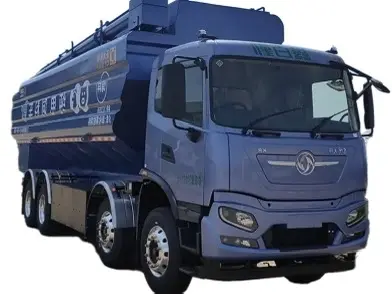
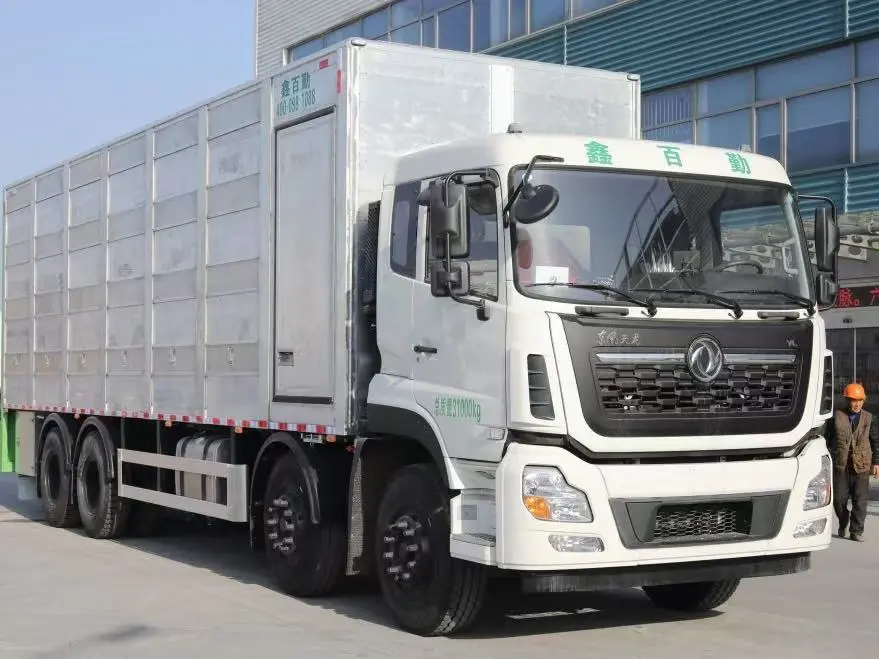
3. The "Variable Chassis" Truck and Trailer System
The Concept: This model focuses on the largest vehicles in the fleet. It involves a powerful truck tractor unit and a series of specialized, interchangeable trailers or bodies that can be swapped onto a single chassis.
Key Implements & Functions:
Bulk Transport: A grain hopper trailer for harvest.
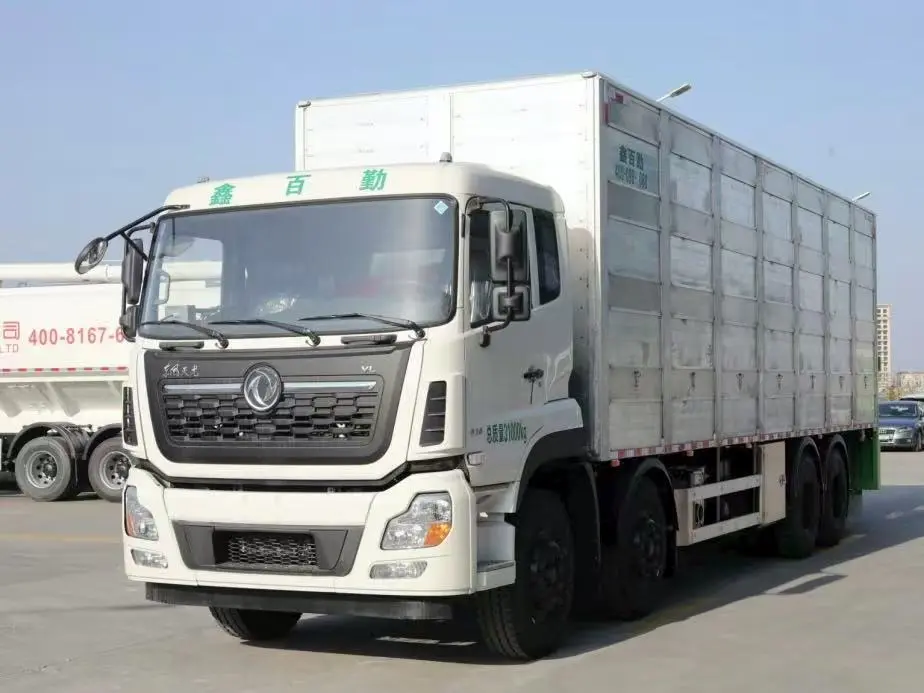
Livestock Handling: Switch to a livestock trailer or a specialized multi-species crate system for moving animals.
Forage & Feed: A silage trailer for clamp work or a volumetric feed mixer body for TMR (Total Mixed Ration) delivery.
General Haulage: A flatbed or tipping body for moving machinery, biomass, or general farm materials.
Water & Slurry: A tanker body for irrigation water, liquid fertilizer, or slurry application.
Maximum Asset Flexibility: The most expensive component—the powered truck unit—is almost never idle. One truck can serve harvest, livestock, and haulage needs throughout the year.
Future-Proofing: New implements can be purchased as needs change without the need to buy a whole new vehicle.
Improved Maintenance & Uptime: If one trailer or body requires extensive repair, the powered truck can still be used with other units, minimizing operational downtime.
The Bottom Line: A Strategic Shift
Investing in multi-functional vehicles is not just about buying new equipment; it's a strategic shift in farm management philosophy. The core benefits that drive down Total Cost of Ownership (TCO) include:
Dramatically Lower Capital Outlay: One multi-functional platform can replace 2-3 single-purpose machines, freeing up capital for other investments.
Reduced Maintenance & Storage Costs: Fewer engines, transmissions, and hydraulic systems to maintain. Less shed space is required.
Enhanced Labor Productivity: Operators become proficient on one primary platform, leading to greater efficiency and safety than managing a fleet of specialized vehicles.
Increased Operational Resilience: A breakdown in one single-purpose vehicle can halt an entire operation. With a multi-functional system, a single implement might be down, but the core chassis can often be redeployed to other critical tasks.
For farms aiming to improve profitability and sustainability, consolidating the fleet around versatile, multi-functional platforms is one of the most effective steps to take. It’s a smart, scalable approach that does more with less, ensuring that every dollar invested in equipment works harder for the entire operation.