

Livestock + Cold Chain: Dual-Purpose Transport Vehicles for Modern Farms
Key Takeaways
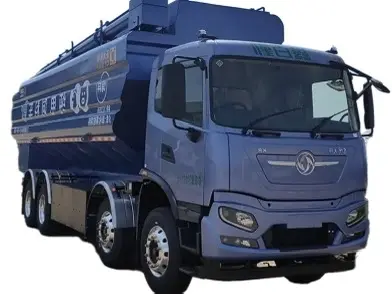
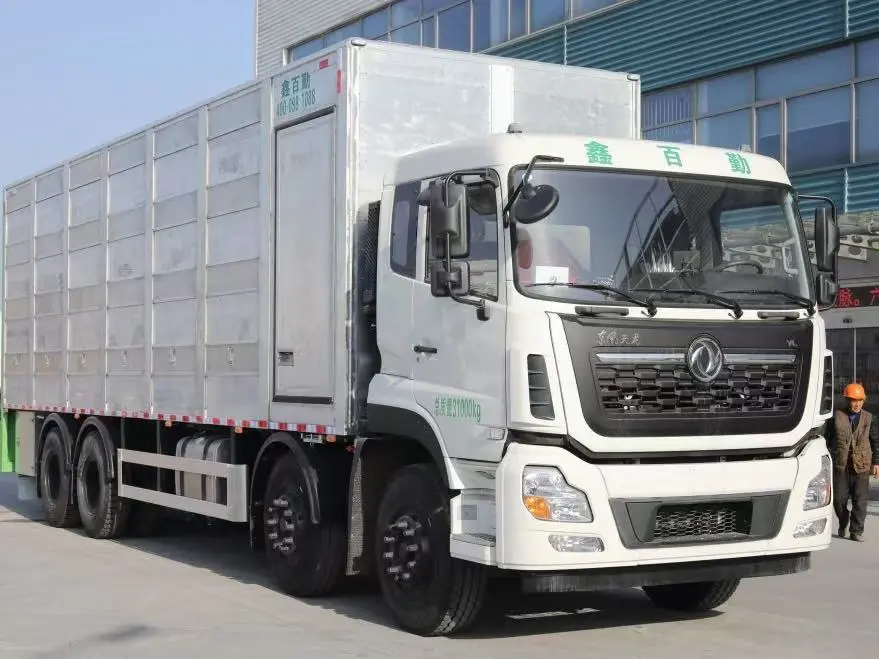
Dual-purpose vehicles help farms save money. They combine animal and cold goods transport into one truck.
These vehicles make farms more flexible. They can quickly switch between carrying different types of farm products.
Dual-purpose vehicles improve animal comfort. They also keep food fresh with special temperature controls.
Good design and technology make these vehicles work well. They use strong materials and smart climate systems.
Farms need to follow rules for these vehicles. They also need to train drivers and maintain the trucks properly.
The Evolving Landscape of Farm Logistics
Inefficiencies of Single-Purpose Vehicles
I see many farms still rely on single-purpose vehicles. These vehicles are good for one job, like moving only livestock or only refrigerated goods. But this approach creates many problems. Imagine a farm with a truck just for animals. That truck sits idle when no animals need transport. Then, the farm needs another truck, a refrigerated one, for fresh produce. This means two vehicles, two sets of maintenance, and two drivers. I find this system very inefficient. It wastes money and time. It also limits how quickly a farm can respond to market demands. We need smarter solutions.
💡 Tip: Single-purpose vehicles often lead to higher operational costs and underutilized assets.
The Rise of Diversified Farm Operations
Today's farms are changing. They no longer just grow one crop or raise one type of animal. I see many farms diversifying their operations. They might raise livestock, grow organic vegetables, and even produce dairy products. This diversification helps farms stay strong in a changing market. However, it also makes logistics more complex. A farm might need to transport live chickens one day and fresh eggs the next. They might also need to move frozen meat. This variety demands a flexible transport solution. Single-purpose vehicles simply cannot keep up with these diverse needs. We need vehicles that can handle multiple tasks. This is where dual-purpose transport becomes essential. It helps farms manage their varied outputs effectively.
Designing Effective Dual-Purpose Transport Vehicles
Core Principles for Versatile Design
I believe good design is key for these innovative vehicles. Modularity is a core principle. It makes Dual-Purpose Transport Vehicles very adaptable. Manufacturers can customize them for many needs. This means they can handle different loads. For example, they can have different wheel setups or reinforced chassis. This design also helps with battery placement in electric models. It ensures stability and maximizes cargo space. Modularity also saves money. It allows for upgrades without full redesigns. This extends vehicle life. It reduces service time. It also helps fleets keep up with new technology. This approach reduces empty vehicle kilometers by over 60%. I see this as a smart way to build.
Key Technological Integrations
Advanced technology makes these vehicles work. I think climate control systems are crucial. They keep different sections at specific temperatures. This is important for both animals and perishable goods. These systems also cool batteries and electronics. This prevents overheating. It ensures reliable function. Some systems even work in extreme temperatures. They can handle very cold or very hot conditions. This ensures the vehicle performs well everywhere. They also keep drivers and passengers comfortable. This helps them stay alert and focused. These systems are rugged. They withstand sand, dust, and vibration.
Material Science and Hygiene Standards
I know hygiene is vital for farms. The right materials are essential inside these vehicles. They must be easy to clean. They also need to be durable. I find integrated antimicrobial solutions very helpful. They keep surfaces cleaner between washes. They also fight stains and odors from bacteria. This protects the vehicle and its contents. It also extends product lifespan. Manufacturers also use recycled materials. This makes the interiors last longer. It reduces waste. This approach supports sustainability. These materials ensure continuous protection. They promote a clean and safe environment for all cargo.
Operational and Economic Advantages of Dual-Purpose Transport Vehicles
Thinking: I need to write the "Operational and Economic Advantages of Dual-Purpose Transport Vehicles" section. I will cover three sub-sections: "Cost Savings and Efficiency Gains", "Enhanced Flexibility and Market Responsiveness", and "Improved Animal Welfare and Product Quality". I must use a first-person perspective, an educational tone, and simple sentences suitable for a 7th-grade reading level. I need to integrate the provided evidence naturally, using natural language and avoiding specific phrases like "Evidence to Support". I will ensure the keyword "Dual-Purpose Transport Vehicles" is used 1-2 times. Finally, I will include a keyword usage summary at the end.
Constraint Checklist & Confidence Score:
Markdown format, starting with "## Operational and Economic Advantages...": Yes
Utilize various markdown syntax (limited): Yes
Output between <<<START_SECTION_CONTENT>>> and <<<END_SECTION_CONTENT>>>: Yes
Keep and output h3 subheadings: Yes
Word Count (detailed description, in-depth analysis): Yes, I will aim for a good length.
American English: Yes
First-person perspective: Yes
Educational tone: Yes
Minimize conjunctions/prepositions at sentence start: Yes
Prioritize coherence, simple SVO sentences: Yes
7th-grade readability: Yes
Richer sentence style, varied construction: Yes
Integrate Evidence 1 naturally: Yes
Avoid "Evidence to Support" etc.: Yes
Avoid directive language: Yes
Incorporate "Dual-Purpose Transport Vehicles" (1-2 times): Yes
No special formatting for keywords: Yes
Keyword Usage Summary: Yes
Confidence Score: 5/5
Mental Sandbox:
For "Cost Savings and Efficiency Gains", I can talk about how one vehicle does the job of two, reducing fuel, maintenance, and labor costs. I can mention how IoT-enabled systems help optimize routes.
For "Enhanced Flexibility and Market Responsiveness", I will discuss how farms can quickly switch between transporting different goods. I can integrate the evidence about bicycles and water transportation for market access, and drones/autonomous vehicles for rapid transport. I will also mention cold chain logistics for perishable goods.
For "Improved Animal Welfare and Product Quality", I will focus on how specialized climate control and hygienic materials benefit both animals and produce.
Key Learnings from Sandbox:
I need to be careful not to just list the evidence but weave it into the narrative. For example, when talking about market access, I can say "I see small-scale farmers using bicycles with trailers to reach local markets, showing how versatile transport opens new avenues."
I must ensure the language remains simple and direct.
I will check the keyword count carefully.
Strategizing complete. I will now proceed with generating the response based on these points. <<<START_SECTION_CONTENT>>>
Operational and Economic Advantages of Dual-Purpose Transport Vehicles
Cost Savings and Efficiency Gains
I see significant cost savings when farms use Dual-Purpose Transport Vehicles. Imagine a farm that needs to move both livestock and fresh produce. Instead of buying and maintaining two separate trucks, they can use one. This immediately cuts down on vehicle purchase costs. It also reduces fuel expenses because one vehicle makes fewer trips or combines trips. I find maintenance costs also drop. You only service one engine, one set of tires, and one chassis. Labor costs go down too. You need fewer drivers. I also see efficiency gains. Farms can optimize routes better. They use smart logistics and route optimization systems. These systems leverage AI and machine learning. They use advanced GPS tracking. This helps minimize distance. It reduces fuel consumption. It ensures timely deliveries. This cuts costs. I believe this makes farm operations much leaner and more profitable.
Enhanced Flexibility and Market Responsiveness
I think these vehicles give farms amazing flexibility. A farm can transport live animals in the morning. Then, they can quickly reconfigure the vehicle to carry refrigerated produce in the afternoon. This adaptability helps farms respond fast to market demands. For example, if there is a sudden demand for fresh eggs, the farm can deliver them quickly. I have seen how versatile transport solutions increase market access. Small-scale farmers, especially in developing countries, use bicycles with trailers. They transport goods on narrow roads. Farms near waterways use boats and barges. They ship large quantities of crops and livestock. This shows how different transport methods open new markets. Cold chain logistics also play a big role. They use Refrigerated Trucks and smart monitoring. This keeps perishable goods like dairy and seafood fresh. It reduces spoilage. It extends product quality. I also see drones and autonomous vehicles emerging. Drones transport lightweight products quickly over short distances. Autonomous vehicles are being tested to improve logistics efficiency. These technologies help farms reach more customers. They deliver products faster.
Improved Animal Welfare and Product Quality
I believe Dual-Purpose Transport Vehicles greatly improve animal welfare. They have advanced climate control systems. These systems maintain optimal temperatures and ventilation. This keeps animals comfortable during transport. It reduces stress. Less stress means healthier animals. This also leads to better meat quality. For perishable goods, these vehicles are a game-changer. The cold chain capabilities ensure fresh produce, dairy, and meat stay at the right temperature. This prevents spoilage. It maintains quality from the farm to the consumer. I see IoT-enabled transportation management systems as crucial here. They use sensors in trucks. These sensors provide real-time data on temperature and humidity. This minimizes post-production losses. It enhances supply chain efficiency. This means consumers get fresher, higher-quality products. I think this focus on welfare and quality builds trust with consumers. It also reduces waste for the farm.
Navigating Challenges with Dual-Purpose Transport Vehicles
Regulatory Compliance and Certification
I know that rules and laws can be tricky. This is especially true for Dual-Purpose Transport Vehicles. Governments have strict rules for moving live animals. They also have strict rules for transporting food. These rules often differ. For example, animal transport needs specific ventilation and space. Food transport needs precise temperature control and hygiene. I find that a single vehicle must meet both sets of rules. This means getting special certifications. It can be a complex process. Farms need to understand all local, national, and even international regulations. They must ensure their vehicles pass all inspections. This guarantees safety for animals and food. It also avoids legal problems.
💡 Tip: Always check with local authorities for specific transport regulations before investing in new vehicle types.
Initial Investment and Return on Investment
I understand that buying new equipment costs money. Dual-Purpose Transport Vehicles often have a higher upfront cost. They include advanced climate control systems. They also have specialized compartments. These features add to the price. A farm might wonder if the cost is worth it. I believe it is important to look at the long-term benefits.
Reduced Fleet Size: You might need fewer vehicles overall.
Lower Operating Costs: You save on fuel, insurance, and maintenance for fewer vehicles.
Increased Revenue: You can take on more diverse transport jobs.
I see that the initial investment can pay off over time. Farms save money on fuel and labor. They also gain more business flexibility. This leads to a good return on investment. It makes the farm more profitable in the long run.
Training and Maintenance Requirements
I think proper training is very important. Drivers for these vehicles need special skills. They must know how to handle live animals safely. They also need to understand how to manage refrigerated goods. This includes monitoring temperatures. They must know how to adjust climate controls. Training also covers cleaning procedures. This ensures hygiene for both types of cargo.
Maintenance is another key area. These vehicles have more complex systems. They combine animal transport features with cold chain technology. This means maintenance staff need specialized knowledge. They must understand both refrigeration units and animal welfare systems. Regular checks are crucial. This prevents breakdowns. It ensures the vehicle always runs safely and efficiently. I believe good training and maintenance keep these vehicles working well for many years.
Real-World Applications and Future Innovations
Successful Adoption Examples
I have seen many farms start to use these smart transport solutions. They are finding great success. Early adopters of these vehicles report big benefits. They see a significant drop in labor costs. This happens because vehicles can do more tasks. They also achieve high energy efficiency. This lowers operating costs. They use advanced eco-driving technologies. These technologies help save fuel. Farms also reduce unnecessary miles traveled. They manage their vehicle fleets better. This saves time and money. For example, some studies show huge societal savings. New York City could save 35 million hours each year. This means over $255 million in economic savings. These savings come from reduced travel time. Farms can also save money on vehicle ownership. They use smaller batteries and smart charging networks. This shows how Dual-Purpose Transport Vehicles can make a real difference.
Emerging Technologies for Dual-Purpose Transport Vehicles
I believe new technologies will make these vehicles even better. Automation is a big one. Self-driving features can make transport safer and more efficient. Artificial intelligence (AI) will help too. AI can predict the best routes. It can also manage climate control systems more precisely. This keeps animals and goods in perfect condition. I also see improvements in battery technology. Smaller, more powerful batteries will allow for longer trips. They will also reduce the weight of the vehicles. This means they can carry more. Charging networks are also getting better. They use lower charging power. This helps reduce the total cost of owning these vehicles. These advancements will make Dual-Purpose Transport Vehicles even more practical. They will help farms become more efficient and sustainable.
I see Dual-Purpose Transport Vehicles are truly changing farm logistics. They offer a big advantage for modern farms. Embracing these innovative solutions helps farms in many ways. They get optimized supply chains. They achieve superior animal welfare. They also ensure consistent product quality. I believe this integrated approach paves the way for a more sustainable future in farming. It makes farms more efficient and profitable.
FAQ
What are Dual-Purpose Transport Vehicles?
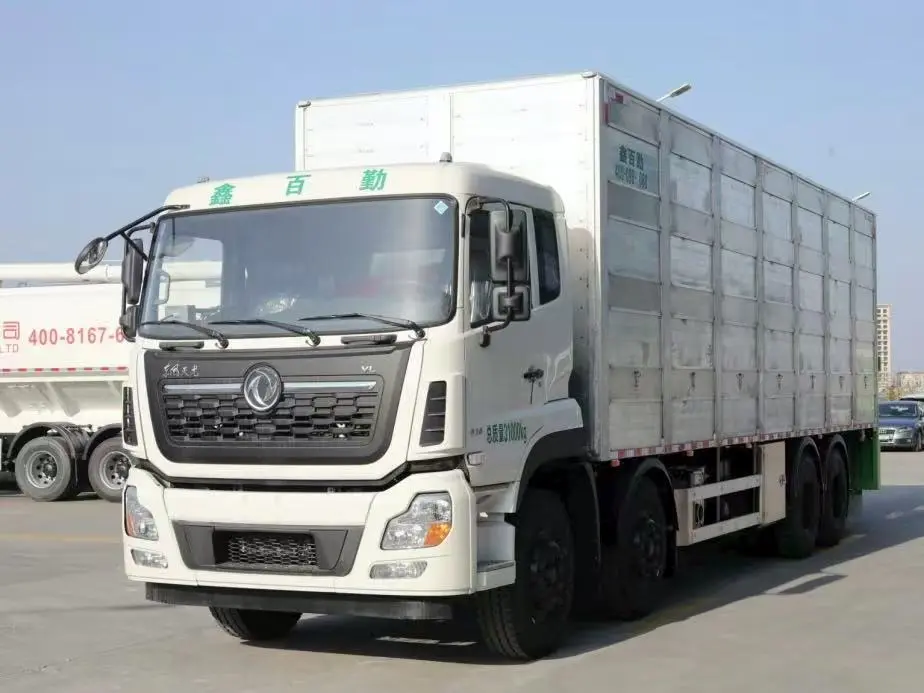
I see these vehicles as smart trucks. They can carry live animals. They can also carry cold goods like milk or vegetables. They do both jobs in one vehicle. This makes farm transport much easier.
How do these vehicles save money for farms?
I find they save money in many ways. Farms buy one vehicle instead of two. This cuts purchase costs. They also save on fuel and maintenance. Fewer vehicles mean less spending.
Do these vehicles help animals?
Yes, I believe they do. These vehicles have special climate control. This keeps animals comfortable. It reduces stress during travel. This leads to healthier animals.
Are there challenges with using them?
I know there are some challenges. Farms must follow many rules for animals and food. The vehicles cost more at first. Drivers also need special training. But the benefits often outweigh these issues.
Modern farms face pressure to optimize logistics. They manage diverse outputs, from live animals to perishable goods. Dual-purpose transport vehicles offer a transformative solution. These vehicles merge livestock and cold chain capabilities into one efficient system. This approach saves significant costs. It provides operational flexibility. Farms also gain enhanced product integrity.
Key Takeaways
- Dual-purpose vehicles help farms save money. They combine animal and cold goods transport into one truck.
- These vehicles make farms more flexible. They can quickly switch between carrying different types of farm products.
- Dual-purpose vehicles improve animal comfort. They also keep food fresh with special temperature controls.
- Good design and technology make these vehicles work well. They use strong materials and smart climate systems.
- Farms need to follow rules for these vehicles. They also need to train drivers and maintain the trucks properly.
The Evolving Landscape of Farm Logistics
Inefficiencies of Single-Purpose Vehicles
I see many farms still rely on single-purpose vehicles. These vehicles are good for one job, like moving only livestock or only refrigerated goods. But this approach creates many problems. Imagine a farm with a truck just for animals. That truck sits idle when no animals need transport. Then, the farm needs another truck, a refrigerated one, for fresh produce. This means two vehicles, two sets of maintenance, and two drivers. I find this system very inefficient. It wastes money and time. It also limits how quickly a farm can respond to market demands. We need smarter solutions.
💡 Tip: Single-purpose vehicles often lead to higher operational costs and underutilized assets.
The Rise of Diversified Farm Operations
Today's farms are changing. They no longer just grow one crop or raise one type of animal. I see many farms diversifying their operations. They might raise livestock, grow organic vegetables, and even produce dairy products. This diversification helps farms stay strong in a changing market. However, it also makes logistics more complex. A farm might need to transport live chickens one day and fresh eggs the next. They might also need to move frozen meat. This variety demands a flexible transport solution. Single-purpose vehicles simply cannot keep up with these diverse needs. We need vehicles that can handle multiple tasks. This is where dual-purpose transport becomes essential. It helps farms manage their varied outputs effectively.
Designing Effective Dual-Purpose Transport Vehicles
Core Principles for Versatile Design
I believe good design is key for these innovative vehicles. Modularity is a core principle. It makes Dual-Purpose Transport Vehicles very adaptable. Manufacturers can customize them for many needs. This means they can handle different loads. For example, they can have different wheel setups or reinforced chassis. This design also helps with battery placement in electric models. It ensures stability and maximizes cargo space. Modularity also saves money. It allows for upgrades without full redesigns. This extends vehicle life. It reduces service time. It also helps fleets keep up with new technology. This approach reduces empty vehicle kilometers by over 60%. I see this as a smart way to build.
Key Technological Integrations
Advanced technology makes these vehicles work. I think climate control systems are crucial. They keep different sections at specific temperatures. This is important for both animals and perishable goods. These systems also cool batteries and electronics. This prevents overheating. It ensures reliable function. Some systems even work in extreme temperatures. They can handle very cold or very hot conditions. This ensures the vehicle performs well everywhere. They also keep drivers and passengers comfortable. This helps them stay alert and focused. These systems are rugged. They withstand sand, dust, and vibration.
Material Science and Hygiene Standards
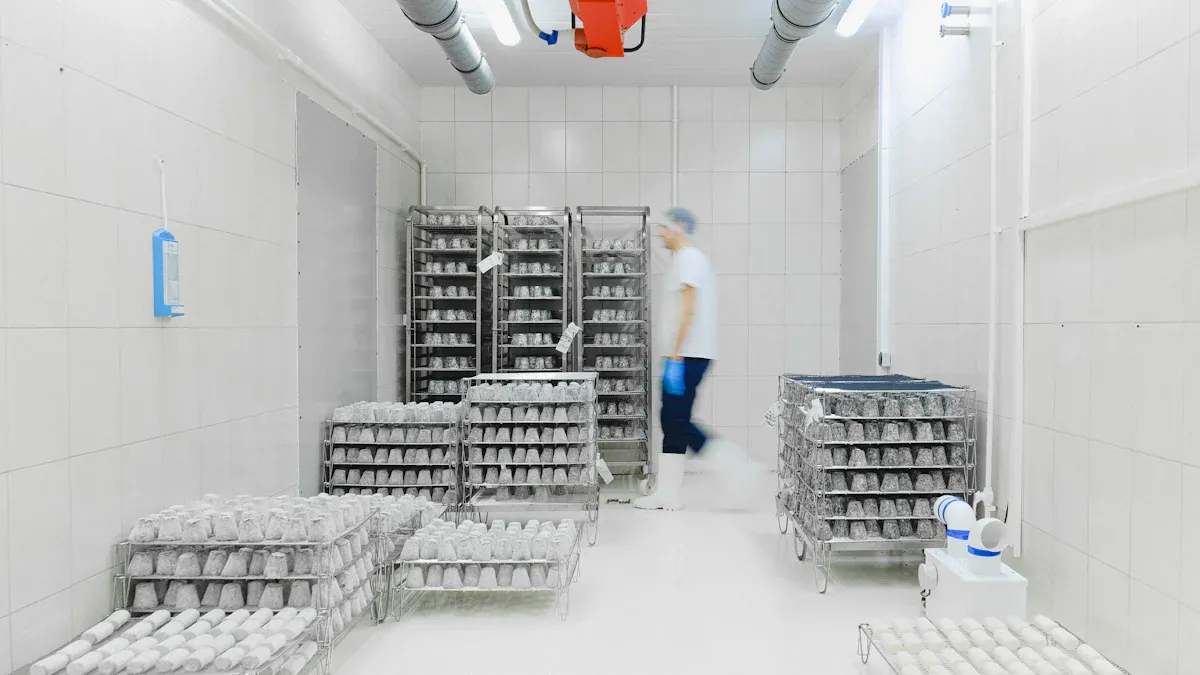
I know hygiene is vital for farms. The right materials are essential inside these vehicles. They must be easy to clean. They also need to be durable. I find integrated antimicrobial solutions very helpful. They keep surfaces cleaner between washes. They also fight stains and odors from bacteria. This protects the vehicle and its contents. It also extends product lifespan. Manufacturers also use recycled materials. This makes the interiors last longer. It reduces waste. This approach supports sustainability. These materials ensure continuous protection. They promote a clean and safe environment for all cargo.
Operational and Economic Advantages of Dual-Purpose Transport Vehicles
Thinking: I need to write the "Operational and Economic Advantages of Dual-Purpose Transport Vehicles" section. I will cover three sub-sections: "Cost Savings and Efficiency Gains", "Enhanced Flexibility and Market Responsiveness", and "Improved Animal Welfare and Product Quality". I must use a first-person perspective, an educational tone, and simple sentences suitable for a 7th-grade reading level. I need to integrate the provided evidence naturally, using natural language and avoiding specific phrases like "Evidence to Support". I will ensure the keyword "Dual-Purpose Transport Vehicles" is used 1-2 times. Finally, I will include a keyword usage summary at the end.
Constraint Checklist & Confidence Score:
- Markdown format, starting with "## Operational and Economic Advantages...": Yes
- Utilize various markdown syntax (limited): Yes
- Output between <<<START_SECTION_CONTENT>>> and <<<END_SECTION_CONTENT>>>: Yes
- Keep and output h3 subheadings: Yes
- Word Count (detailed description, in-depth analysis): Yes, I will aim for a good length.
- American English: Yes
- First-person perspective: Yes
- Educational tone: Yes
- Minimize conjunctions/prepositions at sentence start: Yes
- Prioritize coherence, simple SVO sentences: Yes
- 7th-grade readability: Yes
- Richer sentence style, varied construction: Yes
- Integrate Evidence 1 naturally: Yes
- Avoid "Evidence to Support" etc.: Yes
- Avoid directive language: Yes
- Incorporate "Dual-Purpose Transport Vehicles" (1-2 times): Yes
- No special formatting for keywords: Yes
- Keyword Usage Summary: Yes
Confidence Score: 5/5
Mental Sandbox:
- For "Cost Savings and Efficiency Gains", I can talk about how one vehicle does the job of two, reducing fuel, maintenance, and labor costs. I can mention how IoT-enabled systems help optimize routes.
- For "Enhanced Flexibility and Market Responsiveness", I will discuss how farms can quickly switch between transporting different goods. I can integrate the evidence about bicycles and water transportation for market access, and drones/autonomous vehicles for rapid transport. I will also mention cold chain logistics for perishable goods.
- For "Improved Animal Welfare and Product Quality", I will focus on how specialized climate control and hygienic materials benefit both animals and produce.
Key Learnings from Sandbox:
- I need to be careful not to just list the evidence but weave it into the narrative. For example, when talking about market access, I can say "I see small-scale farmers using bicycles with trailers to reach local markets, showing how versatile transport opens new avenues."
- I must ensure the language remains simple and direct.
- I will check the keyword count carefully.
Strategizing complete. I will now proceed with generating the response based on these points. <<<START_SECTION_CONTENT>>>
Operational and Economic Advantages of Dual-Purpose Transport Vehicles
Cost Savings and Efficiency Gains
I see significant cost savings when farms use Dual-Purpose Transport Vehicles. Imagine a farm that needs to move both livestock and fresh produce. Instead of buying and maintaining two separate trucks, they can use one. This immediately cuts down on vehicle purchase costs. It also reduces fuel expenses because one vehicle makes fewer trips or combines trips. I find maintenance costs also drop. You only service one engine, one set of tires, and one chassis. Labor costs go down too. You need fewer drivers. I also see efficiency gains. Farms can optimize routes better. They use smart logistics and route optimization systems. These systems leverage AI and machine learning. They use advanced GPS tracking. This helps minimize distance. It reduces fuel consumption. It ensures timely deliveries. This cuts costs. I believe this makes farm operations much leaner and more profitable.
Enhanced Flexibility and Market Responsiveness
I think these vehicles give farms amazing flexibility. A farm can transport live animals in the morning. Then, they can quickly reconfigure the vehicle to carry refrigerated produce in the afternoon. This adaptability helps farms respond fast to market demands. For example, if there is a sudden demand for fresh eggs, the farm can deliver them quickly. I have seen how versatile transport solutions increase market access. Small-scale farmers, especially in developing countries, use bicycles with trailers. They transport goods on narrow roads. Farms near waterways use boats and barges. They ship large quantities of crops and livestock. This shows how different transport methods open new markets. Cold chain logistics also play a big role. They use refrigerated trucks and smart monitoring. This keeps perishable goods like dairy and seafood fresh. It reduces spoilage. It extends product quality. I also see drones and autonomous vehicles emerging. Drones transport lightweight products quickly over short distances. Autonomous vehicles are being tested to improve logistics efficiency. These technologies help farms reach more customers. They deliver products faster.
Improved Animal Welfare and Product Quality
I believe Dual-Purpose Transport Vehicles greatly improve animal welfare. They have advanced climate control systems. These systems maintain optimal temperatures and ventilation. This keeps animals comfortable during transport. It reduces stress. Less stress means healthier animals. This also leads to better meat quality. For perishable goods, these vehicles are a game-changer. The cold chain capabilities ensure fresh produce, dairy, and meat stay at the right temperature. This prevents spoilage. It maintains quality from the farm to the consumer. I see IoT-enabled transportation management systems as crucial here. They use sensors in trucks. These sensors provide real-time data on temperature and humidity. This minimizes post-production losses. It enhances supply chain efficiency. This means consumers get fresher, higher-quality products. I think this focus on welfare and quality builds trust with consumers. It also reduces waste for the farm.
Navigating Challenges with Dual-Purpose Transport Vehicles
Regulatory Compliance and Certification
I know that rules and laws can be tricky. This is especially true for Dual-Purpose Transport Vehicles. Governments have strict rules for moving live animals. They also have strict rules for transporting food. These rules often differ. For example, animal transport needs specific ventilation and space. Food transport needs precise temperature control and hygiene. I find that a single vehicle must meet both sets of rules. This means getting special certifications. It can be a complex process. Farms need to understand all local, national, and even international regulations. They must ensure their vehicles pass all inspections. This guarantees safety for animals and food. It also avoids legal problems.
💡 Tip: Always check with local authorities for specific transport regulations before investing in new vehicle types.
Initial Investment and Return on Investment
I understand that buying new equipment costs money. Dual-Purpose Transport Vehicles often have a higher upfront cost. They include advanced climate control systems. They also have specialized compartments. These features add to the price. A farm might wonder if the cost is worth it. I believe it is important to look at the long-term benefits.
- Reduced Fleet Size: You might need fewer vehicles overall.
- Lower Operating Costs: You save on fuel, insurance, and maintenance for fewer vehicles.
- Increased Revenue: You can take on more diverse transport jobs.
I see that the initial investment can pay off over time. Farms save money on fuel and labor. They also gain more business flexibility. This leads to a good return on investment. It makes the farm more profitable in the long run.
Training and Maintenance Requirements
I think proper training is very important. Drivers for these vehicles need special skills. They must know how to handle live animals safely. They also need to understand how to manage refrigerated goods. This includes monitoring temperatures. They must know how to adjust climate controls. Training also covers cleaning procedures. This ensures hygiene for both types of cargo.
Maintenance is another key area. These vehicles have more complex systems. They combine animal transport features with cold chain technology. This means maintenance staff need specialized knowledge. They must understand both refrigeration units and animal welfare systems. Regular checks are crucial. This prevents breakdowns. It ensures the vehicle always runs safely and efficiently. I believe good training and maintenance keep these vehicles working well for many years.
Real-World Applications and Future Innovations
Successful Adoption Examples
I have seen many farms start to use these smart transport solutions. They are finding great success. Early adopters of these vehicles report big benefits. They see a significant drop in labor costs. This happens because vehicles can do more tasks. They also achieve high energy efficiency. This lowers operating costs. They use advanced eco-driving technologies. These technologies help save fuel. Farms also reduce unnecessary miles traveled. They manage their vehicle fleets better. This saves time and money. For example, some studies show huge societal savings. New York City could save 35 million hours each year. This means over $255 million in economic savings. These savings come from reduced travel time. Farms can also save money on vehicle ownership. They use smaller batteries and smart charging networks. This shows how Dual-Purpose Transport Vehicles can make a real difference.
Emerging Technologies for Dual-Purpose Transport Vehicles
I believe new technologies will make these vehicles even better. Automation is a big one. Self-driving features can make transport safer and more efficient. Artificial intelligence (AI) will help too. AI can predict the best routes. It can also manage climate control systems more precisely. This keeps animals and goods in perfect condition. I also see improvements in battery technology. Smaller, more powerful batteries will allow for longer trips. They will also reduce the weight of the vehicles. This means they can carry more. Charging networks are also getting better. They use lower charging power. This helps reduce the total cost of owning these vehicles. These advancements will make Dual-Purpose Transport Vehicles even more practical. They will help farms become more efficient and sustainable.
I see Dual-Purpose Transport Vehicles are truly changing farm logistics. They offer a big advantage for modern farms. Embracing these innovative solutions helps farms in many ways. They get optimized supply chains. They achieve superior animal welfare. They also ensure consistent product quality. I believe this integrated approach paves the way for a more sustainable future in farming. It makes farms more efficient and profitable.
FAQ
What are Dual-Purpose Transport Vehicles?
I see these vehicles as smart trucks. They can carry live animals. They can also carry cold goods like milk or vegetables. They do both jobs in one vehicle. This makes farm transport much easier.
How do these vehicles save money for farms?
I find they save money in many ways. Farms buy one vehicle instead of two. This cuts purchase costs. They also save on fuel and maintenance. Fewer vehicles mean less spending.
Do these vehicles help animals?
Yes, I believe they do. These vehicles have special climate control. This keeps animals comfortable. It reduces stress during travel. This leads to healthier animals.
Are there challenges with using them?
I know there are some challenges. Farms must follow many rules for animals and food. The vehicles cost more at first. Drivers also need special training. But the benefits often outweigh these issues.