

Leasing vs Buying Specialized Farm Vehicles: A CFO’s Perspective
The Capital Preservation Argument: Why Leasing Wins for Cash Flow
For growing operations or those in capital-intensive expansion phases, leasing presents a compelling case for liquidity management.
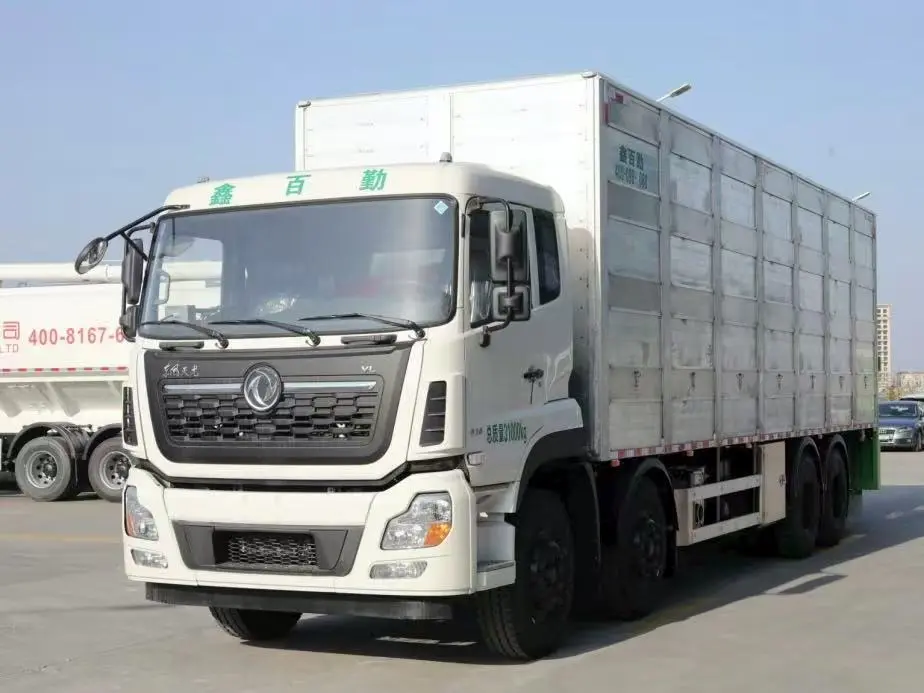
• Minimal Initial Outlay: Leasing typically requires little to no down payment, preserving working capital for higher-ROI investments like land acquisition, grain storage, or technology infrastructure. A $250,000 specialized truck might require $50,000+ cash to purchase but only a few thousand dollars to lease.
• Predictable Operating Expense: Leasing converts a large capital expenditure into a manageable, fixed monthly operating expense. This simplifies budgeting and improves financial forecasting accuracy—a crucial advantage in an industry plagued by commodity price volatility.
• Technology Obsolescence Protection: This is the strategic advantage. With agricultural technology evolving rapidly, a 3-5 year lease term ensures your operation isn't stuck with outdated equipment. Upgrading to the latest precision ag systems, emission-compliant engines, or efficiency-enhanced models becomes routine rather than a capital battle.
The Balance Sheet Consideration: When Ownership Strengthens Financial Position
However, ownership remains strategically important for established operations with stable cash flows and long-term equipment needs.
• Asset Accumulation: Purchasing builds tangible assets on the balance sheet, strengthening borrowing capacity for future investments. Fully depreciated equipment can continue providing value for years beyond loan terms.
• Total Cost Advantage: For equipment with long usable lifespans (7+ years), ownership generally proves cheaper over the full lifecycle. Once financing is complete, the only ongoing costs are maintenance and repairs—typically lower than perpetual lease payments.
• Operational Flexibility: Owned equipment can be used intensively, modified for specific applications, or deployed on non-standard schedules without restrictions or penalties that leases sometimes impose.
The Tax Efficiency Analysis: A Changing Calculus
The tax implications require careful modeling as they significantly differ between approaches:
• Leasing: 100% of lease payments are typically deductible as operating expenses, providing consistent year-over-year tax reduction.
• Ownership: Buyers can capitalize the equipment and utilize accelerated depreciation methods (including potential bonus depreciation provisions), creating substantial tax shields in the early years of ownership. However, these benefits diminish over time as the asset depreciates.
The Hidden Cost Factors: Maintenance and Residual Value
Maintenance responsibilities and residual value risk create important distinctions:
• Full-Service Leases: Many leases bundle maintenance and repairs, transforming unpredictable capex spikes into predictable opex. This transfers repair risk from your operation to the lessor.
• Residual Value Risk: With leasing, the lessor assumes the risk of the equipment's future market value. In a rapidly changing technological landscape, this protection has significant value. Ownership means you bear all residual value risk—potentially substantial if regulatory changes or new technologies render equipment obsolete.
Strategic Recommendations for Different Scenarios
Based on financial objectives and operational profiles:
Lease When:
Operating in technology-intensive segments where equipment specs improve rapidly
Facing cash flow constraints or prioritizing capital preservation
Needing to maintain specific debt-to-equity ratios for lending covenants
Operating in jurisdictions with favorable lease accounting treatment
Purchase When:
The equipment has a long technological lifespan (basic trailers, standard trucks)
Your operation has sufficient capital and can utilize tax depreciation benefits
You possess maintenance capabilities and want maximum operational control
Interest rates are favorable and equipment financing terms are attractive
The Emerging Hybrid Model
Progressive operations are increasingly adopting a hybrid approach: owning stable, long-life assets while leasing technology-intensive equipment. This balanced strategy maintains equipment modernization while building permanent asset value where it makes financial sense.
Conclusion: It's About Strategic Alignment
From a CFO's perspective, there's no universal right answer. The decision must align with your operation's financial strategy, growth phase, and risk tolerance. Leasing offers flexibility, technology access, and cash flow protection—ideal for dynamic operations in transformation. Ownership builds equity, provides long-term cost advantages, and offers operational freedom—better suited for stable, well-capitalized enterprises.
The most financially sophisticated operations conduct lifecycle cost analyses for each major equipment category, then build a mixed fleet strategy that optimizes their financial position across all dimensions. In modern agriculture, how you acquire your capabilities is as important as what capabilities you acquire.