


Is Automated Logistics the Future of Chick Transport
Traditional vs Automated Logistics in Chick Transport
Efficiency and Speed
Traditional chick transport often relies on manual planning and human drivers. Workers load and unload chicks by hand. This process can take a long time. Delays may happen if workers make mistakes or if traffic causes problems. Chicks may spend more time in transit, which can affect their health.
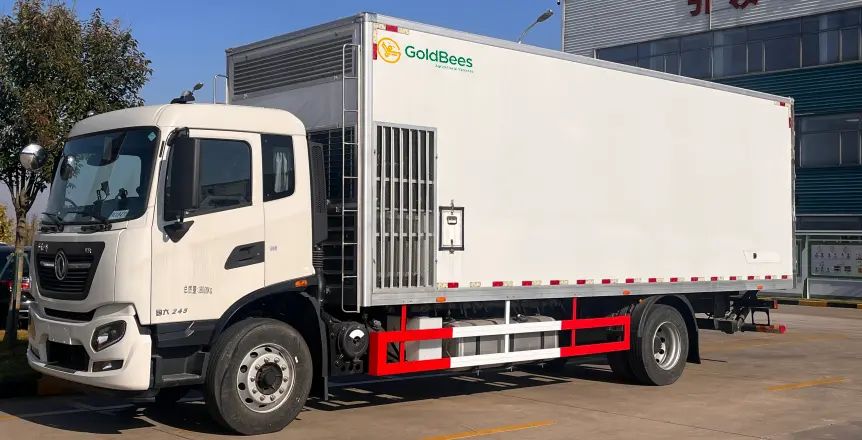
Automated logistics uses advanced systems to plan routes and control transport conditions. Machines handle loading and unloading with precision. Automated trucks can follow the best routes using GPS and real-time traffic updates. These systems help reduce travel time and keep chicks in better condition.
Tip: Automated logistics can move chicks faster and more safely than traditional methods.
Error Rates and Reliability
Human error can cause many problems in traditional chick transport. Workers may forget to check temperatures or may not notice if chicks become stressed. Mistakes can lead to lost chicks or poor health.
Automated systems use sensors and computers to monitor every step. These systems check temperature, humidity, and air quality inside the truck. If something goes wrong, the system can alert workers right away. Automated logistics reduces the chance of mistakes and improves reliability.
| Factor | Traditional Logistics | Automated Logistics |
|---|---|---|
| Human Error | High | Low |
| Reliability | Inconsistent | Consistent |
| Monitoring | Manual | Automated |
Data Management and Traceability
Traditional methods often use paper records or simple spreadsheets. Tracking each batch of chicks can be hard. If a problem happens, it may take a long time to find out what went wrong.
Automated logistics uses digital records and real-time data. Every step gets recorded automatically. Workers can see where each batch of chicks is at any time. If an issue occurs, the system can trace it back quickly. This helps companies solve problems faster and improve future shipments.
Note: Good data management helps keep chicks safe and makes it easier to follow animal welfare rules.
Labor and Operational Costs
Traditional chick transport needs many workers. People must load, unload, drive, and check on the chicks. Labor costs can be high, especially if workers need special training.
Automated logistics reduces the need for manual labor. Machines and computers handle many tasks. Companies can save money on wages and training. Automated systems also use fuel and resources more efficiently, which lowers operational costs.
Traditional Logistics:
-
- High labor costs
- More workers needed
- Higher chance of overtime
Automated Logistics:
-
- Lower labor costs
- Fewer workers needed
- More efficient use of resources
Automated logistics offers clear advantages in speed, reliability, data management, and cost savings. These benefits help companies deliver healthier chicks and improve their business operations.
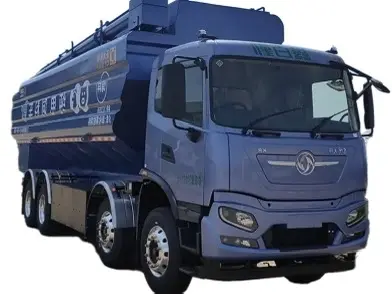
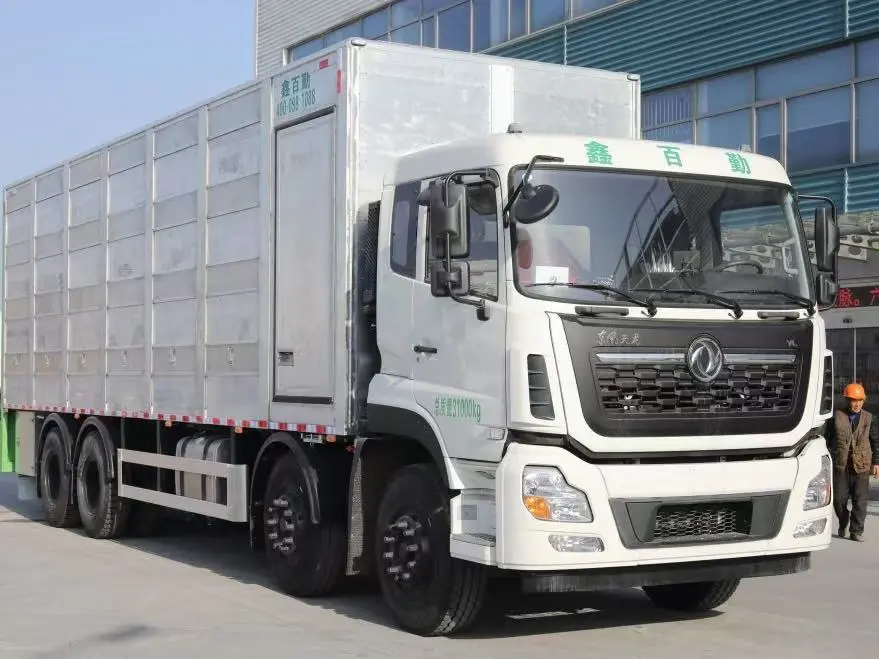
Day-old Chick Transport Truck-Fully Enclosed Automated Logistics
Environmental Control and Monitoring
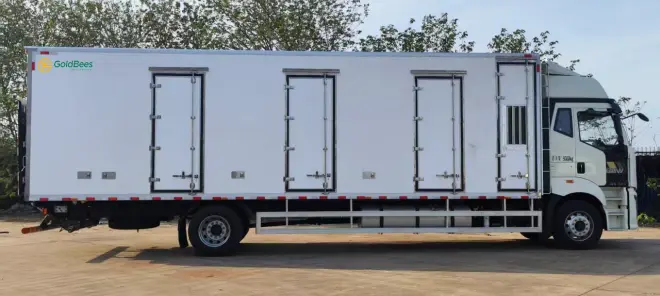
Day-old Chick Transport Truck-Fully Enclosed Automated Logistics uses advanced technology to keep the environment inside the truck stable. Sensors check temperature, humidity, and airflow at all times. These systems help create the best conditions for chicks. If the temperature changes, the system adjusts it right away. This control helps prevent stress and sickness in chicks.
Real-Time Data and Response
The Day-old Chick Transport Truck-Fully Enclosed Automated Logistics system collects data every second. Workers can see this information on their screens. If a problem happens, the system sends an alert. Workers can fix issues before they become serious. This quick response keeps chicks safe during transport.
Tip: Real-time data helps companies make better decisions and improve future trips.
Reduced Human Error
Day-old Chick Transport Truck-Fully Enclosed Automated Logistics reduces mistakes by using machines and computers. The system follows set rules for every step. Workers do not need to remember every detail. This process lowers the risk of forgetting important tasks, such as checking air quality or adjusting temperature.
Enhanced Animal Welfare
Animal welfare improves with Day-old Chick Transport Truck-Fully Enclosed Automated Logistics. Chicks travel in a safe and comfortable space. The system keeps them calm and healthy. Companies can show they care about animal welfare by using this technology. Better welfare leads to stronger and healthier chicks.
Benefits and Drawbacks of Automated Logistics
Consistency and Scalability
Automated logistics brings strong consistency to chick transport. Machines follow the same steps every time. This reduces mistakes and keeps quality high. Companies can also scale up their operations more easily. When demand grows, they can add more automated trucks or systems without changing their process.
Note: Consistent results help companies build trust with customers and partners.
Initial Investment and Implementation
Automated logistics requires a large upfront investment. Companies must buy new trucks, sensors, and software. They also need to train staff to use the new systems. Some companies may find these costs hard to manage at first.
| Cost Type | Traditional | Automated |
|---|---|---|
| Equipment | Low | High |
| Training | Moderate | High |
| Setup Time | Short | Long |
Technical Maintenance and Support
Automated systems need regular maintenance. Sensors, computers, and machines can break or need updates. Companies must hire skilled workers to fix problems quickly. If a system fails during transport, it can put chicks at risk.
- Regular checks keep systems running well.
- Quick repairs prevent transport delays.
Workforce Adaptation
Workers must learn new skills to use automated logistics. Some may feel worried about losing their jobs. Companies can help by offering training and support. When workers adapt, they can manage and monitor the new systems.
Tip: Training programs help workers feel confident and ready for change.
Industry Trends and Expert Insights
Adoption Rates in Poultry Logistics
Many poultry companies now use automated logistics for chick transport. In recent years, adoption rates have grown quickly. Large farms often lead the way, but smaller farms also start to use these systems. A recent survey showed that about 60% of major poultry producers in North America have begun to automate their chick transport. In Europe, the number is even higher. Companies see better results and want to keep up with industry standards.
Note: Automated logistics is becoming the new normal in chick transport.
Expert Perspectives on Automation
Experts in poultry logistics believe automation brings many benefits. Dr. Lisa Chen, a poultry scientist, says, “Automated systems help keep chicks healthy and reduce losses.” Many experts agree that automation improves animal welfare and business efficiency. Some experts warn that companies must train workers well to get the best results. They also say that regular maintenance is important for long-term success.
- Experts highlight:
- Better chick health
- Fewer mistakes
- Need for skilled workers
Case Studies and Success Stories
Several companies have shared their success stories. One large poultry farm in the Midwest switched to automated trucks last year. They reported a 20% drop in chick losses and faster delivery times. Another company in Germany saw improved animal welfare scores after using automated systems. These real-world examples show that automation works well for chick transport.
Tip: Companies can learn from these success stories to improve their own operations.
Automated logistics gives chick transport better speed, reliability, and animal care. Companies face some costs and changes at first. Over time, these systems help the industry grow stronger. Experts expect automation to become the new standard.
Note: Automation shapes a safer and more efficient future for chicks.