

Intelligent Chicken Harvesting Machine Transforming the Industry in 2025
Key Technological Advancements in Intelligent Chicken Harvester Machine---Maximizing Productivity
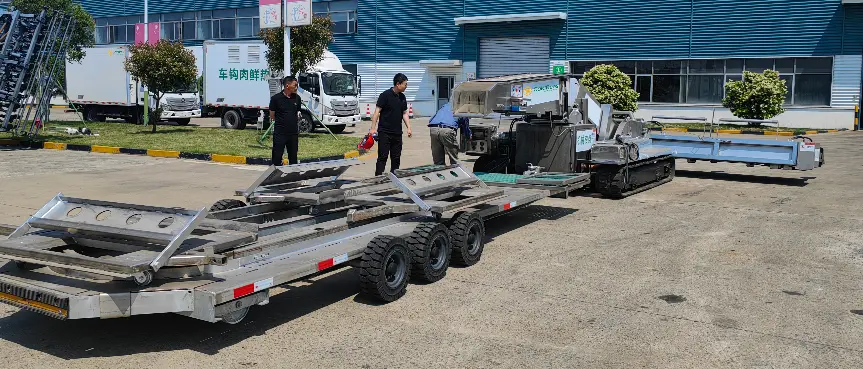
AI-Driven Automation and Robotics
AI-driven automation stands at the core of the Intelligent Chicken Harvester Machine---Maximizing Productivity. These machines use advanced robotics to handle chickens with gentle precision. Robotic arms pick up birds, sort them, and move them through each processing stage. The system learns from every batch, improving its movements and reducing errors.
Operators see a big difference in speed and accuracy. The robots work without fatigue, so the process stays consistent all day. Many companies report higher yields and fewer injuries to both workers and animals.
Tip: Companies that invest in AI-driven automation often see a quick return on investment due to reduced labor costs and improved product quality.
Advanced Machine Vision and Sensor Integration
Machine vision technology gives the Intelligent Chicken Harvester Machine---Maximizing Productivity the ability to "see" and analyze each chicken in real time. High-resolution cameras and sensors scan every bird as it moves along the line. The system checks for size, weight, and health. It can spot defects or signs of illness before processing begins.
A table below shows how machine vision improves accuracy:
| Feature | Manual Inspection | Machine Vision System |
|---|---|---|
| Speed | Slow | Fast |
| Consistency | Varies | High |
| Error Rate | Higher | Lower |
| Data Collection | Limited | Extensive |
Sensors also monitor the environment. They track temperature, humidity, and air quality. This helps maintain the best conditions for both chickens and workers. The Intelligent Chicken Harvester Machine---Maximizing Productivity uses this data to adjust its operations instantly.
Real-Time Data Analytics and IoT Connectivity
Real-time data analytics play a major role in the Intelligent Chicken Harvester Machine---Maximizing Productivity. The system collects data from every part of the process. It analyzes this information to find patterns and make quick decisions. Managers receive instant updates on performance, yield, and equipment status.
IoT connectivity links each machine to a central network. This allows remote monitoring and control. If a problem occurs, the system sends alerts to technicians. They can fix issues before they cause downtime.
- Benefits of Real-Time Analytics and IoT:
- Faster response to problems
- Better planning and scheduling
- Lower maintenance costs
- Improved traceability for food safety
The Intelligent Chicken Harvester Machine---Maximizing Productivity sets a new standard for smart poultry processing. These advancements help companies stay competitive and meet strict industry demands.
Impact on Poultry Industry Operations
Enhanced Efficiency and Throughput
Intelligent chicken harvesting machines have changed the pace of poultry processing. These machines work faster than traditional systems. They can process thousands of birds per hour with high accuracy. Companies see a steady flow of products from the start to the end of the line.
Many processors use real-time data to track every step. This data helps managers spot slowdowns and fix them quickly. The machines adjust their speed and actions based on the size and condition of each bird. This flexibility keeps the line moving smoothly.
Note: Processors report up to 30% higher throughput after switching to intelligent machines.
A comparison table shows the difference:
| Metric | Traditional Systems | Intelligent Machines |
|---|---|---|
| Birds Processed/Hour | 5,000 | 7,000+ |
| Downtime (minutes/day) | 60 | 15 |
| Error Rate (%) | 4.5 | 1.2 |
These improvements help companies meet growing demand and reduce waste.
Improved Animal Welfare and Ethical Harvesting
Animal welfare stands at the center of modern poultry operations. Intelligent machines use gentle robotic arms and advanced sensors. These features reduce stress and injury for each bird. The system handles chickens with care from the moment they enter the line.
Sensors check the health and condition of every bird. If a bird shows signs of illness or distress, the machine can remove it from the line. This process protects both the animal and the final product.
- Key animal welfare benefits:
- Fewer injuries during handling
- Lower stress levels for birds
- Quick detection of health issues
Tip: Companies that focus on animal welfare often gain trust from consumers and meet strict regulatory standards.
Ethical harvesting practices also improve the company’s reputation. Customers want to know that their food comes from humane sources. Intelligent machines help processors meet these expectations.
Labor Reduction and Workforce Transformation
Labor shortages have challenged the poultry industry for years. Intelligent harvesting machines now fill many roles once held by people. These machines handle repetitive and physically demanding tasks. Workers no longer need to lift heavy loads or perform dangerous jobs.
The workforce now focuses on machine supervision, maintenance, and data analysis. Employees learn new skills and take on more technical roles. This shift creates safer and more rewarding jobs.
- Workforce transformation highlights:
- Fewer workplace injuries
- Higher job satisfaction
- New training programs for technical skills
Alert: Companies that invest in workforce training see smoother transitions and better machine performance.
Intelligent chicken harvesting machines do not replace people. They change the nature of work in the industry. Teams become more skilled and efficient, leading to better results for everyone.
Sustainability and Environmental Benefits
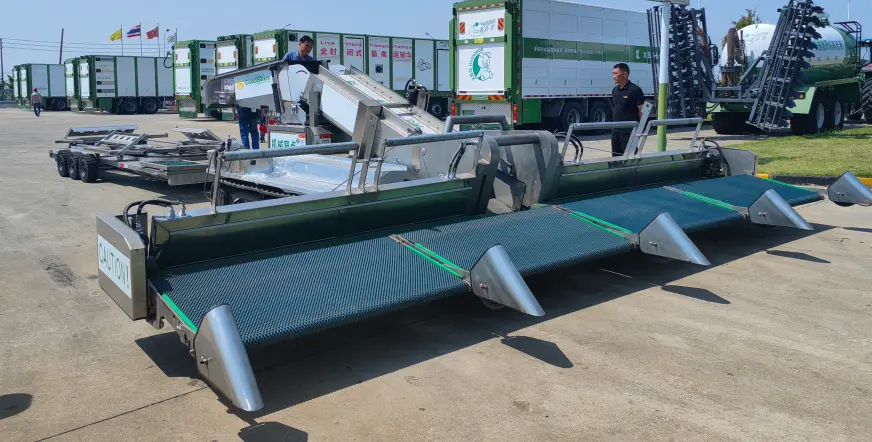
Energy and Resource Optimization
Intelligent chicken harvesting machines in 2025 use advanced technology to save energy and resources. These machines monitor power usage and adjust their operations for maximum efficiency. Sensors track water and electricity consumption at every stage. The system reduces waste by only using what is necessary for each task.
Many processors see lower utility bills after installing these machines. They also notice less water waste. Some companies use solar panels or other renewable energy sources to power their equipment. This shift helps reduce the carbon footprint of poultry processing.
Note: Energy-efficient machines support both cost savings and environmental goals.
A table below shows the difference in resource use:
| Resource | Traditional Systems | Intelligent Machines |
|---|---|---|
| Water Usage | High | Low |
| Power Consumption | High | Moderate |
| Efficiency Rate | 70% | 92% |
Waste Reduction and Byproduct Management
Modern harvesting machines help companies manage waste more effectively. Automated sorting systems separate usable parts from byproducts. This process ensures that nothing goes to waste. Processors can turn byproducts into animal feed, fertilizer, or bioenergy.
- Key benefits of waste management:
- Less landfill waste
- More recycled materials
- Extra revenue from byproducts
Companies use real-time data to track waste levels and improve recycling rates. They also follow strict guidelines for safe disposal. These efforts protect the environment and create new business opportunities.
♻️ Sustainable waste management practices help companies meet environmental regulations and build a positive brand image.
Challenges and Future Outlook for Intelligent Chicken Harvester Machine---Maximizing Productivity
Adoption Barriers and Solutions
Many poultry companies face challenges when adopting the Intelligent Chicken Harvester Machine---Maximizing Productivity. High upfront costs often make companies hesitate. Some managers worry about the complexity of new technology. Others lack skilled workers to operate and maintain advanced machines.
Tip: Training programs help workers learn how to use and care for these machines. Companies that invest in staff education see smoother transitions.
Some companies struggle with integrating new machines into old processing lines. They may need to upgrade other equipment first. Reliable technical support also plays a key role in successful adoption.
A quick list of common barriers:
- High initial investment
- Lack of skilled operators
- Integration with existing systems
- Need for ongoing technical support
Predicted Developments Beyond 2025
Industry experts expect rapid progress after 2025. The Intelligent Chicken Harvester Machine---Maximizing Productivity will likely become smarter and more efficient. Future machines may use better sensors to detect even minor health issues in birds. Companies may see more automation in packaging and shipping.
Many believe that machines will connect with farm management systems. This connection will help track each bird from farm to table. Companies may use more eco-friendly materials and renewable energy sources.
🛠️ Ongoing research will drive new features and better performance.
A table of future trends:
| Area | Expected Change |
|---|---|
| Automation | More tasks automated |
| Data Integration | Full supply chain links |
| Sustainability | Greener operations |
Intelligent chicken harvesting machines in 2025 deliver major gains in productivity, animal care, and sustainability. These innovations reshape poultry operations and set new industry standards.
Readers can expect more improvements and broader use of intelligent harvesting technology in the years ahead.