





How to Minimize Animal Stress During Long-Distance Livestock Hauling
1. Laying the Groundwork: Preparation is Paramount (Pre-Transport Planning & Handling)
The journey's success begins long before the truck rolls out. Effective preparation focuses on the animals' physical and psychological readiness:
Health & Fitness Assessment: Only healthy, fit animals should embark on long journeys. Conduct thorough health checks well in advance. Vaccinations and parasite control should be up-to-date. Avoid transporting very young, very old, heavily pregnant, injured, or sick animals over long distances. Ensure animals are adequately rested and not fatigued before loading.
Familiarization & Low-Stress Handling: Animals unfamiliar with handling or transport equipment become highly stressed. Implement low-stress stockmanship techniques (based on Bud Williams or Temple Grandin principles) well before shipping. Train animals to move calmly through alleys, onto ramps, and into trailers. Familiarity drastically reduces panic during the actual loading process.
Fasting & Hydration Strategy: Provide ample access to clean water right up to loading. A short, controlled fasting period (typically 4-12 hours for most species, depending on the journey length and type – consult species-specific guidelines) helps reduce gut fill, minimizing the risk of motion sickness and soiling within the trailer, which improves air quality and comfort. However, never deprive animals of water. Ensure hydration status is optimal.
Grouping & Social Structure: Load animals in stable, compatible groups whenever possible. Avoid mixing unfamiliar animals, especially bulls or aggressive individuals. Maintaining established social hierarchies reduces fighting and stress during transit. Consider grouping by size and age for uniform space allowance.
2. The Mobile Environment: Designing and Operating for Comfort (Vehicle & Loading)
The trailer is the animals' temporary home. Its design and how animals are loaded directly influence their stress levels for the entire trip:
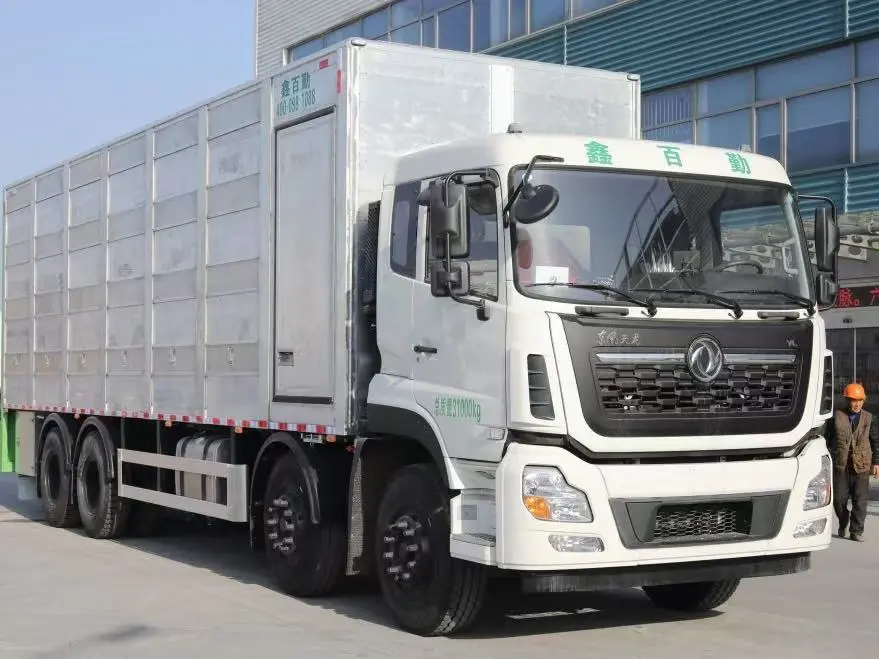
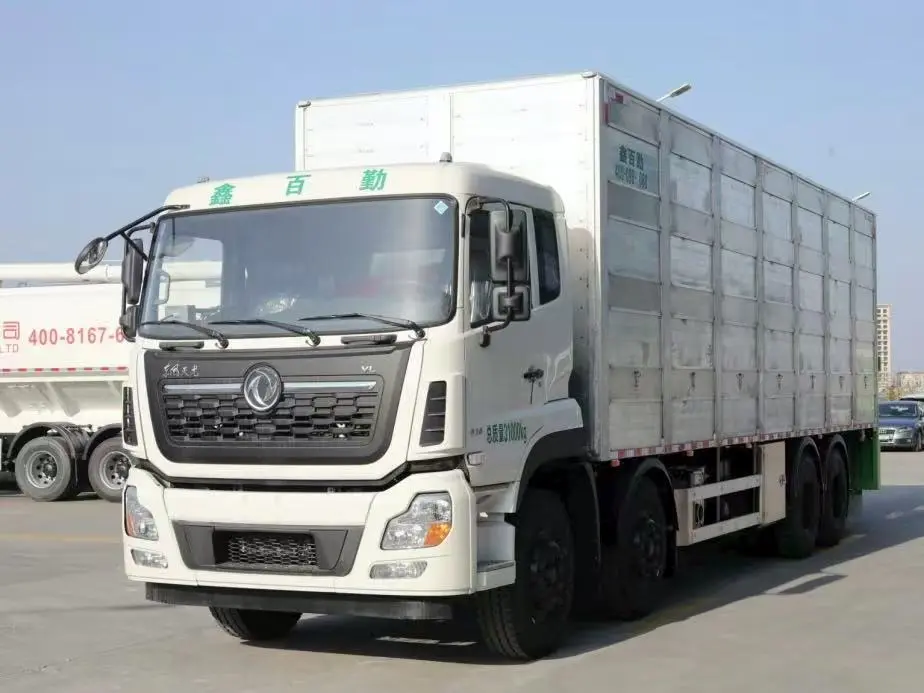
Trailer Specifications & Maintenance: Invest in or utilize well-designed trailers. Key features include:
Effective Ventilation: Essential for temperature regulation, removing moisture, ammonia, and dust. Adjustable roof vents and side openings (with baffles to prevent drafts directly on animals) are crucial. Mechanical ventilation may be needed for extreme climates or fully enclosed trailers.
Non-Slip Flooring: Essential for stability and preventing injuries. Maintain flooring in good condition, using appropriate bedding (like sand, wood shavings, or specialized mats) to absorb urine, provide cushioning, and improve traction.
Adequate Space Allowance: Overcrowding is a major stressor and increases injury risk and heat load. Follow science-based, species-specific space recommendations (e.g., NAMI Guidelines in the US, EU regulations). Allow enough space for animals to stand comfortably without being forced against walls or each other, and ideally, to lie down for rest during long journeys.
Appropriate Compartmentalization: Well-designed internal divisions prevent animals from being tossed around during turns and stops and help manage group sizes.
Protection from Elements: Provide shade in hot weather, windbreaks in cold/windy conditions, and protection from driving rain or snow. Adjust ventilation accordingly.
Loading Protocol: This is a critical stress point. Use well-designed, solid-sided loading ramps with non-slip surfaces and minimal distractions. Maintain a calm, quiet environment. Avoid excessive use of electric prods – they significantly elevate stress hormones. Use flags, paddles, or other aids guided by low-stress handling principles. Load animals steadily but patiently, allowing them to move at their own pace. Ensure the trailer is parked level and securely.
3. Navigating the Journey: Careful Conduct Behind the Wheel (Driving & En Route Management)
Once loaded, the driver's skill and awareness become the primary factors influencing animal welfare:
The Expert Driver: Drivers must be specifically trained in animal behavior, welfare needs, and the unique handling characteristics of a loaded livestock trailer. They should understand how their actions directly impact the animals.
Smooth & Defensive Driving: Abrupt acceleration, harsh braking, and fast cornering cause animals to lose balance, fall, and pile up, leading to injury and severe stress. Practice smooth, gradual speed changes, gentle cornering, and anticipate stops well in advance. Maintain safe following distances.
Vigilant Environmental Monitoring: Drivers must constantly assess conditions inside and outside the trailer:
Temperature & Air Quality: Adjust ventilation openings proactively as external temperatures, humidity, and weather change. Watch for signs of heat stress (panting, crowding) or cold stress (huddling, shivering). Be acutely aware of the dangerous build-up of ammonia or lack of oxygen.
Animal Behavior: Regularly check animals through observation ports (safely!). Look for signs of distress, injury, or overcrowding issues. Listen for excessive vocalization, which often indicates problems.
Strategic Rest Stops: For journeys exceeding legal maximum travel times (e.g., 28 hours in the US, 29 hours in the EU, followed by mandatory rest), plan rest stops carefully. Choose designated, quiet, safe livestock resting areas with access to water and potentially feed (if appropriate for the fasting plan and species). Allow animals sufficient time to rest, recover, and rehydrate in a calm environment before continuing. Minimize disturbances during unloading/reloading for rest breaks. Ensure unloading facilities are suitable and low-stress.
4. The Final Leg: Unloading and Post-Transport Recovery (Arrival & Acclimation)
The arrival process and immediate post-transport period are crucial for recovery and minimizing the cumulative effects of the journey:
Calm Unloading: Similar to loading, unloading must be conducted patiently and calmly using low-stress techniques. Ensure the unloading ramp is secure and non-slip. Avoid rushing animals off the trailer. Provide clear, unobstructed pathways to their holding pens.
Immediate Care Upon Arrival: The first hours after arrival are critical. Provide unrestricted access to clean, fresh water immediately. Offer high-quality, palatable feed gradually, especially if animals were fasted. Avoid mixing new groups immediately upon arrival to prevent fighting. Provide a clean, dry, comfortable resting area with adequate space and protection from the elements.
Observation & Veterinary Care: Closely monitor animals for signs of injury, illness, dehydration, or exhaustion in the days following transport. Isolate and treat any sick or injured animals promptly. Be aware that transport stress can suppress the immune system, making animals more susceptible to disease in the days after arrival. Implement appropriate biosecurity measures.
Adequate Rest Period: Allow animals sufficient time – often 24-48 hours or more, depending on the journey length and species – to fully recover from the stress of transport before subjecting them to further handling, processing, or significant diet changes.

Conclusion:
Minimizing stress during long-distance livestock hauling is a complex but achievable goal that demands attention at every stage – from meticulous pre-transport planning and low-stress handling, through trailer design and careful loading, to skilled driving, vigilant journey management, and thoughtful unloading and recovery. It's a continuous process requiring investment, training, and a genuine commitment to animal welfare. The benefits, however, are undeniable: healthier animals, reduced losses, improved meat quality, enhanced public perception, and ultimately, a more sustainable and ethical livestock industry. By embracing these best practices, transporters, farmers, and the entire supply chain can ensure that every mile traveled is a step towards better welfare and better outcomes for all. Make the commitment to stress-free transport – it’s the right move for your animals and your business.