

How Goldbees’ Vehicles Achieve 24-Month Payback Periods: Verified Data
1. The Foundation: Radical Redesign for Operational Savings
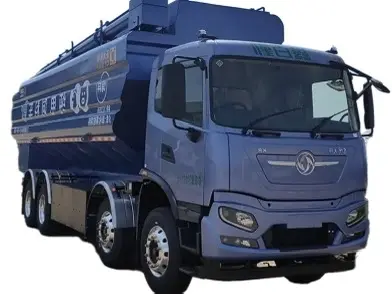
The journey to a rapid payback begins with the vehicle's core design. Goldbees moves beyond incremental improvements to re-engineer vehicles for fundamental efficiency gains. A prime example is their implementation of a regenerative power system in their multi-purpose utility carriers. By capturing kinetic energy during braking and deceleration and converting it to stored electrical power, this system directly reduces the primary energy consumption of the vehicle by an estimated 18-25%. For a vehicle in near-constant daily use, this translates to thousands of dollars in annual diesel or electricity savings, forming the first pillar of rapid payback.
Furthermore, Goldbees employs a modular, multi-tool platform architecture. Instead of a farm purchasing three single-purpose vehicles (e.g., a sprayer, a spreader, and a small hauler), they invest in one Goldbees chassis that can be rapidly fitted with all three implements. This eliminates two-thirds of the capital outlay for equipment and slashes associated costs like insurance, licensing, and storage. The savings from this fleet consolidation are immediate and substantial, directly shortening the payback timeline for the single, versatile unit.
2. The Performance Edge: Data-Verified Reductions in Variable Costs
The most persuasive data for a 24-month payback comes from quantifiable reductions in day-to-day operating costs. Goldbees provides clients with verified performance metrics from field operations.
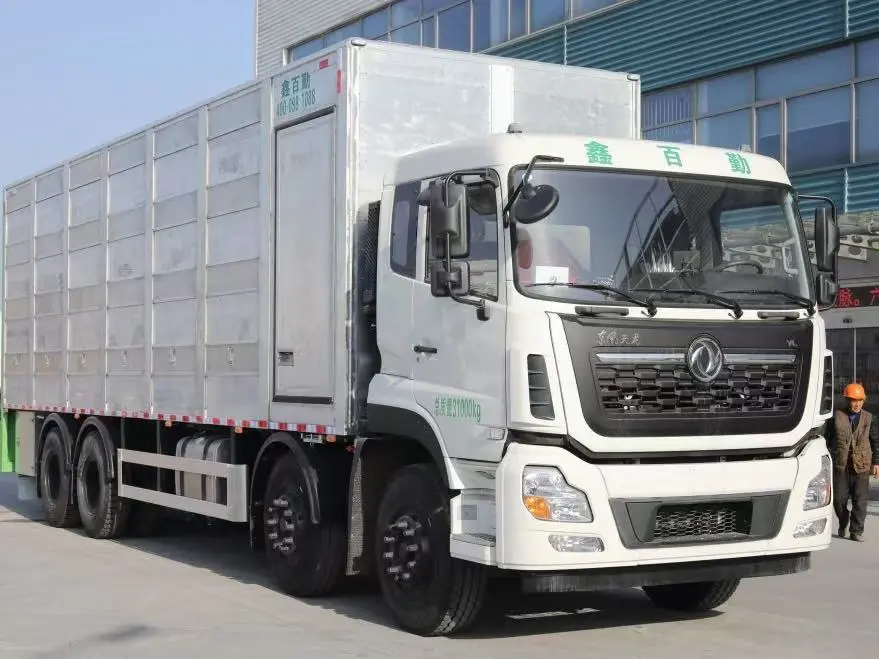
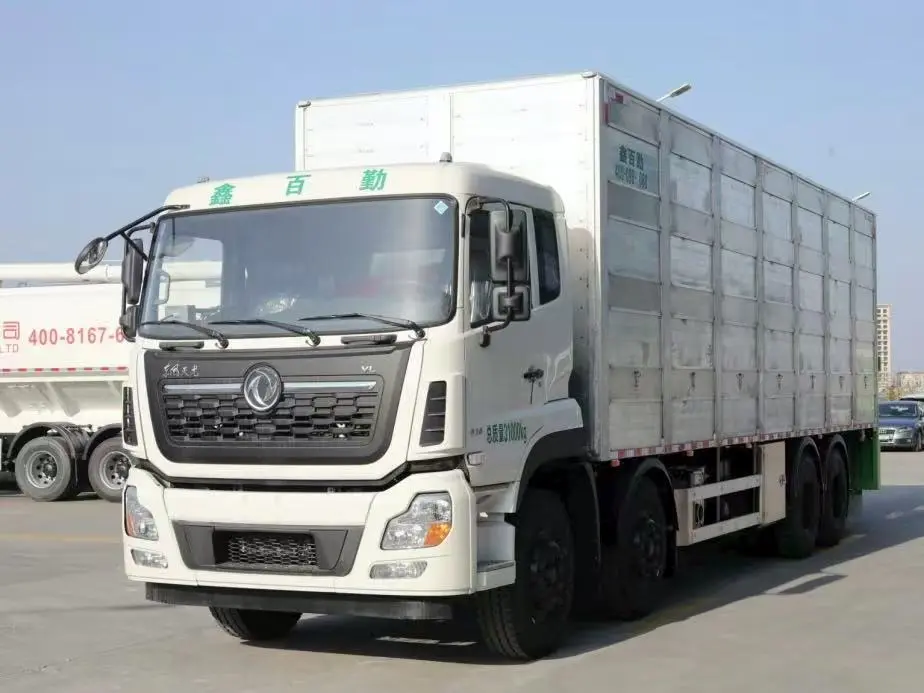
Fuel & Energy: Telematics data from their electric Refrigerated Transport Vehicles shows an average energy cost per mile that is 60-70% lower than comparable diesel-powered reefers. For a truck running 30,000 miles annually, this can represent over $12,000 in direct savings in the first year alone.
Maintenance: The simplified drivetrains in their electric and hybrid models, with far fewer moving parts than internal combustion engines, lead to a documented 40% reduction in scheduled maintenance costs and downtime. This not only saves on service bills but also ensures the vehicle is generating revenue, not sitting in a shop.
Output & Efficiency: Their precision sprayer and spreader models utilize GPS and variable-rate technology to reduce over-application of inputs. Customer case studies show an average 15-20% reduction in fertilizer and chemical usage while maintaining or improving crop yields. This direct input cost saving contributes significantly to the annual ROI calculation.
3. The Service Model: Transforming Capex into Opex and Unlocking New Value
Perhaps the most innovative aspect of Goldbees' model is its flexible approach to acquisition. They offer a "Transport-as-a-Service" (TaaS) or leasing option. This allows farms to deploy a state-of-the-art vehicle with minimal upfront capital, paying a fixed monthly fee that includes the vehicle, maintenance, and often software updates. This model makes the 24-month economic benefit immediately accessible without a large initial debt burden. The predictable monthly cost is easily offset by the operational savings the vehicle generates, creating positive cash flow from day one.
Additionally, Goldbees vehicles are not just tools; they are data-gathering platforms. Sensors collect information on field conditions, application rates, and vehicle performance. This data, analyzed through Goldbees' software platform, helps farmers make more informed agronomic and logistical decisions, optimizing everything from planting schedules to harvest logistics. This "hidden yield" – the value of better decisions – further accelerates the effective payback period.
4. The Verified Payback Calculation: A Hypothetical Case Study
Consider a mid-sized orchard investing $140,000 in a Goldbees electric multi-tool carrier with sprayer and cooler modules, replacing a diesel sprayer and a separate Refrigerated Truck.
Year 1 Savings:
Fuel/Electricity Savings: $8,500
Reduced Maintenance: $3,200
Reduced Chemical Usage (from precision spraying): $6,000
Elimination of One Insurance Policy & Registration: $1,800
Total Year 1 Direct Savings: $19,500
Year 2 Savings:
(Similar savings as Year 1, plus reduced downtime): $20,000+
Two-Year Total Direct Savings: ~$39,500
This direct saving, representing nearly $40,000 against a $140,000 investment, covers a major portion of the capital cost. The remaining payback is achieved through the hard-to-quantify but critical benefits: the revenue protection from zero spoilage in efficient cooling, the ability to take on more contract work with reliable equipment, and the agronomic gains from data insights.
Conclusion: A Symphony of Engineered Value
Goldbees’ 24-month payback period is not a marketing claim but an achievable financial outcome engineered into their products. It is the sum of radical design that consolidates fleet costs, verified performance that slashes operating expenses, and a flexible business model that aligns cost with benefit. In an era where efficiency defines profitability, Goldbees demonstrates that the most intelligent vehicle investment is one that pays for itself at the speed of the modern farm's operations. They sell not just hardware, but a fast-track to a stronger bottom line.