

How Agri-Livestock Vehicle Chains Transform Farm Logistics
The Agri-livestock Vehicle Integrated Industry Chain streamlines farm logistics. Farmers experience faster delivery times, lower transportation costs, and improved efficiency. This system helps them manage resources better and supports sustainable practices. Every day, workers see smoother operations and fewer delays. Efficient logistics lead to healthier livestock and fresher products for markets.
Agri-livestock Vehicle Integrated Industry Chain: What It Is Definition and Main Components
The Agri-livestock Vehicle Integrated Industry Chain connects vehicles, technology, and farm operations into one system. This chain includes several main components:
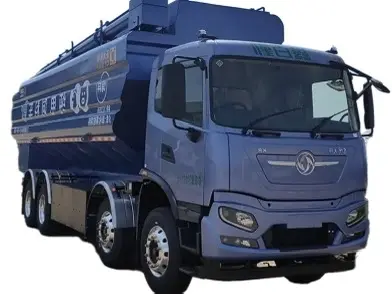
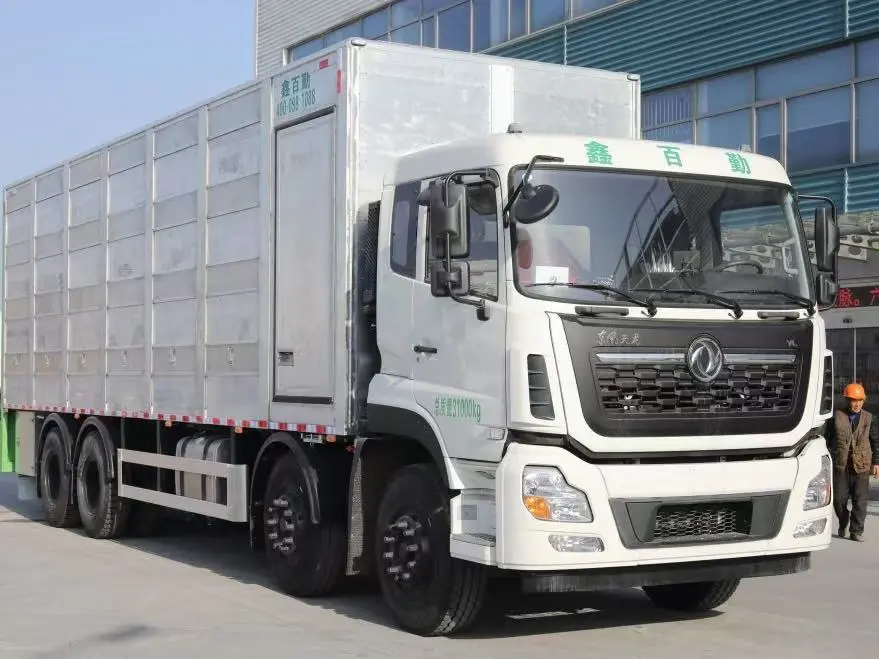
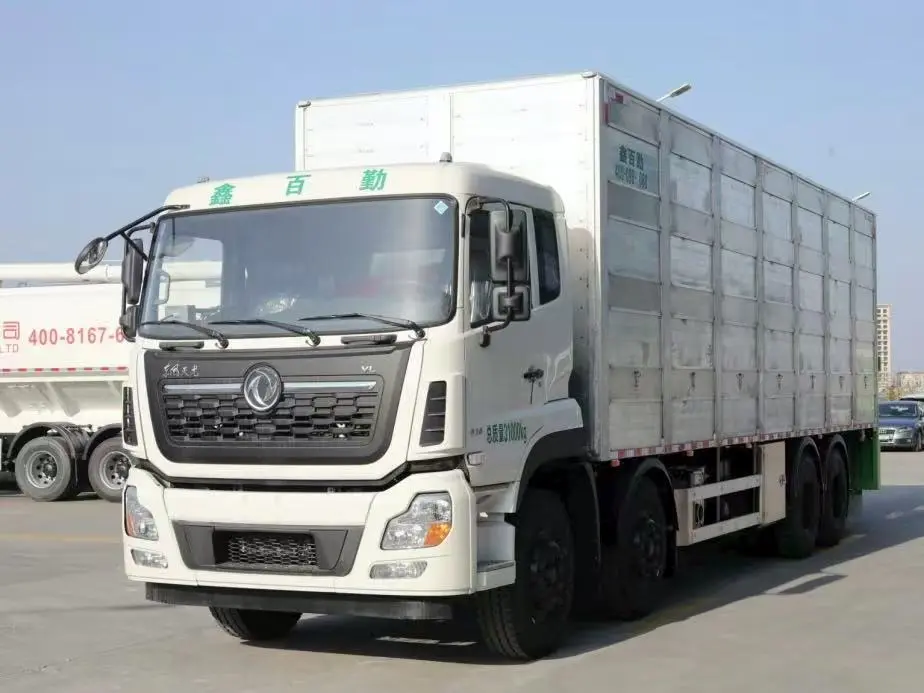
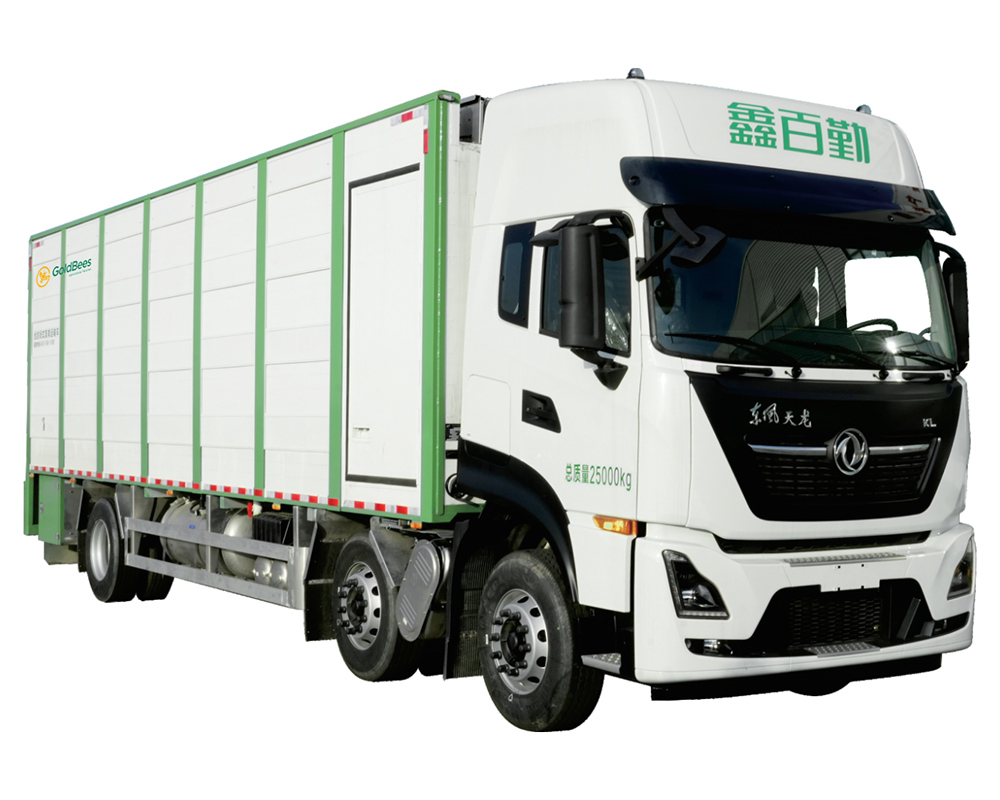
● Specialized vehicles for transporting livestock and crops
● Digital tracking systems for real-time monitoring
● Centralized management platforms for scheduling and logistics
● Maintenance and support services for vehicles
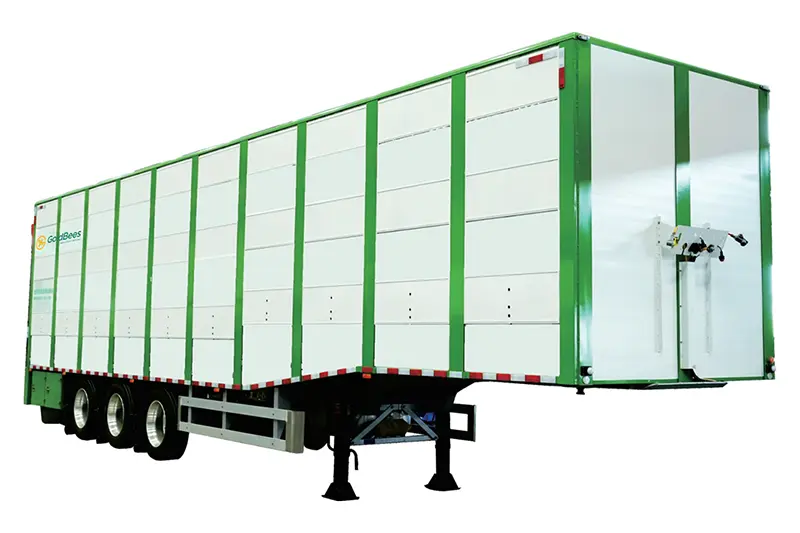
Each part works together to move products and animals safely and quickly. Farmers use these tools to plan routes, check vehicle status, and track deliveries. This system helps them avoid delays and reduce waste.
Note: A strong Agri-livestock Vehicle Integrated Industry Chain improves both speed and safety in farm logistics.
How Integration Works in Real Farm Settings
On a working farm, the Agri-livestock Vehicle Integrated Industry Chain brings all logistics under one roof. For example, a farmer schedules a delivery using a central platform. The system assigns the best vehicle and route. Drivers receive updates on their mobile devices. Sensors in the vehicles monitor temperature and animal health. If a problem occurs, the system alerts the team right away.
Farmers see clear benefits:
● Faster response to market demands
● Better care for animals during transport
● Lower risk of spoilage for perishable goods
This integration helps farms run smoothly every day.
Transforming Farm Logistics: Key Benefits
Efficiency and Speed in Transportation
Farmers need to move products and animals quickly. The Agri-livestock Vehicle Integrated Industry Chain helps them do this. Specialized vehicles carry livestock and crops directly from farms to markets. Digital tracking systems show where each vehicle is at all times. Drivers get updates on their routes. This reduces waiting times and keeps deliveries on schedule.
Tip: Real-time tracking helps farmers respond to changes in demand or weather. They can reroute vehicles if needed.
Faster transportation means fresher products reach stores. Livestock spend less time in transit, which improves their health. Farms can meet market needs faster and avoid spoilage.
Cost Savings and Resource Optimization
Farms often face high costs for fuel, labor, and vehicle maintenance. The integrated chain lowers these costs. Centralized management platforms help farms plan the best routes. This saves fuel and reduces wear on vehicles. Farms can schedule deliveries to match market demand, so they do not waste resources.
A simple table shows how costs can change:
| Cost Area | Before Integration | After Integration |
| Fuel | High | Lower |
| Labor | Unpredictable | More Efficient |
| Maintenance | Frequent | Scheduled |
Farms use fewer vehicles for the same amount of work. They also reduce overtime for workers. This leads to better use of money and time.
Sustainability and Environmental Impact
Sustainability matters in modern farming. The Agri-livestock Vehicle Integrated Industry Chain supports green practices. Farms use fewer vehicles and drive shorter routes. This cuts down on fuel use and lowers emissions. Digital systems help farms track their carbon footprint.
Note: Efficient logistics mean less waste and a smaller impact on the environment.
Farms can also monitor animal welfare during transport. Sensors check temperature and humidity. This keeps animals healthy and reduces stress. Sustainable logistics help farms protect the land and animals for future generations.
Addressing Farm Logistics Challenges with Integration
Reducing Delays and Downtime
Farmers often face delays when moving goods from the field to the market. Integrated vehicle systems help reduce these delays. Centralized scheduling allows managers to assign vehicles quickly. Real-time tracking shows where each vehicle is at any moment. If a problem happens, the team can react fast. This system keeps operations running smoothly and cuts downtime.
Tip: Quick response to breakdowns or route changes helps farms avoid costly interruptions.
Managing Perishables and Livestock Welfare
Fresh produce and healthy animals need careful handling. Integrated systems use sensors to monitor temperature and humidity inside vehicles. Drivers receive alerts if conditions change. This helps protect perishable goods and keeps livestock safe during transport. Farms can deliver fresher products and ensure animal welfare.
● Sensors track key conditions
● Alerts notify drivers of any issues
● Products and animals arrive in better shape
A simple table shows how costs can change:
Overcoming Infrastructure and Distance Issues
Many farms operate in remote areas with poor roads. Integrated vehicle chains help overcome these challenges. Route planning software finds the best paths, even in tough conditions. Vehicles designed for rough terrain handle long distances better. Farms can reach distant markets and reduce the risk of delays.
A simple table shows the benefits:
| Challenge | Integrated Solution |
| Poor roads | Specialized vehicles |
| Long distances | Smart route planning |
| Remote locations | Real-time communication |
Agri-livestock Vehicle Integrated Industry Chain in Action: Case Study
Real-World Example of a Successful Chain
A large dairy farm in the Midwest decided to upgrade its logistics. The farm adopted the Agri-livestock Vehicle Integrated Industry Chain to improve daily operations. Managers installed digital tracking systems on all transport vehicles. They also used a central platform to schedule deliveries and monitor vehicle status. Drivers received real-time updates on their routes and cargo conditions.
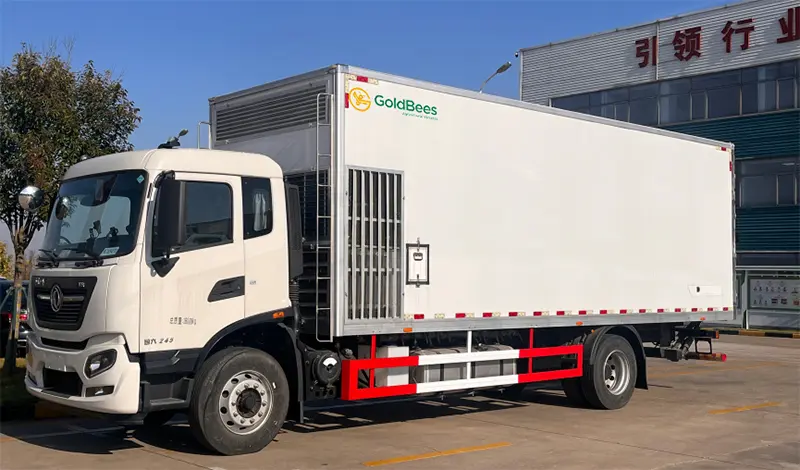
The farm partnered with local technology providers. These partners helped set up sensors in vehicles to track temperature and humidity. The system sent alerts if any problem appeared during transport. The farm also trained staff to use the new management platform. Everyone on the team learned how to respond quickly to alerts and schedule changes.
Measurable Results and Key Takeaways
After six months, the farm saw clear improvements:
● Delivery times dropped by 20%
● Fuel costs decreased by 15%
● Livestock health during transport improved
A simple table shows the results:
| Metric | Before Integration | After Integration |
| Delivery Time | 5 hours | 4 hours |
| Fuel Cost per Trip | $100 | $85 |
| Livestock Loss Rate | 2% | 0.5% |
Note: The Agri-livestock Vehicle Integrated Industry Chain helped the farm save money and deliver fresher products. The team also reported less stress and fewer mistakes.
This case shows that integration brings real benefits. Farms can achieve better efficiency, lower costs, and improved animal welfare.
Implementing Agri-livestock Vehicle Integrated Industry Chains
Assessing Farm Needs and Capabilities
Farm managers start by reviewing their current logistics. They look at the size of their operation, the types of products they move, and the distances they cover. They also check the condition of their existing vehicles and equipment. A clear list of needs helps them set goals for improvement.
● Number of vehicles required
● Types of livestock or crops transported
● Frequency of deliveries
● Current technology in use
Tip: A detailed assessment helps farms avoid unnecessary spending and focus on real priorities.
Selecting Vehicles and Smart Technologies
The next step involves choosing the right vehicles and digital tools. Managers select vehicles that match their farm’s terrain and cargo. They also look for smart technologies, such as GPS tracking and temperature sensors. These tools help monitor shipments and improve safety.
A simple table can guide the selection process:
| Feature | Benefit |
| GPS Tracking | Real-time location data |
| Temperature Sensor | Protects perishables |
| Durable Design | Handles rough terrain |
Smart choices lead to better results and fewer problems during transport.
Building Partnerships and Networks
Farms benefit from strong partnerships. They work with local suppliers, technology companies, and logistics experts. These networks provide support, training, and access to new solutions. The Agri-livestock Vehicle Integrated Industry Chain grows stronger when farms share knowledge and resources.
Note: Building a network helps farms stay updated on best practices and new technology.
Agri-livestock Vehicle Integrated Industry Chain solutions change farm logistics. Farmers see faster deliveries, lower costs, and better animal care. Simple steps like assessing needs, choosing smart vehicles, and building strong networks help farms succeed. Many operations now consider integration essential for growth and efficiency.