

Heavy-Duty Feed Transport Vehicles for Large-Scale Poultry Farms
Heavy-Duty Feed Transport Vehicles for Large-Scale Poultry Farms
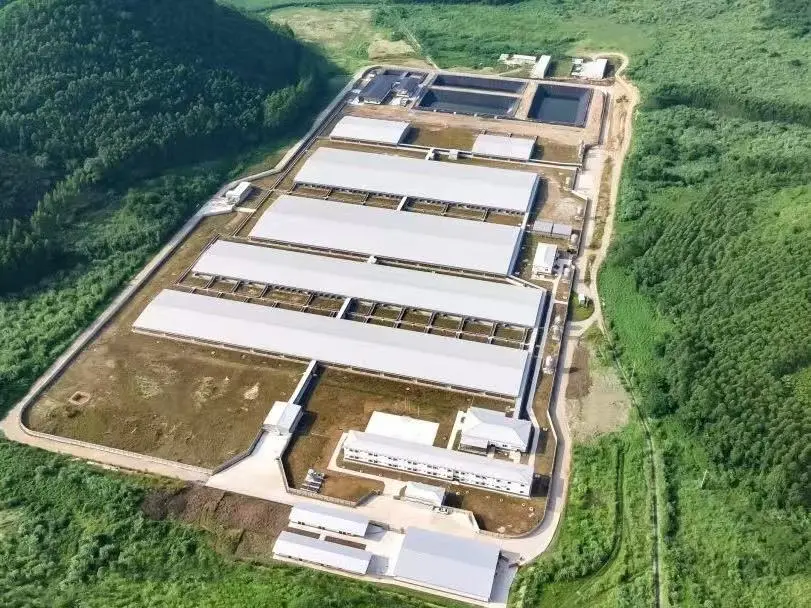
In the world of large-scale poultry production, where margins are precise and operational efficiency is paramount, every link in the supply chain must be optimized. While genetics, nutrition, and housing technology often take the spotlight, there is a critical, unsung hero driving profitability from the feed mill to the farm: the heavy-duty feed transport vehicle. These are not merely trucks; they are sophisticated, mobile dispensing systems engineered to meet the relentless demands of modern agribusiness.
For a poultry operation managing hundreds of thousands, even millions of birds, the consistent and timely delivery of feed is not a logistical task—it is a fundamental necessity. Any delay, contamination, or inconsistency in feed delivery can directly impact bird health, growth rates, and ultimately, the bottom line. This is where standard commercial vehicles fall short. They lack the specialized design, durability, and technology required for the high-volume, high-frequency cycles of a poultry operation.
Engineering for Unmatched Durability and Reliability
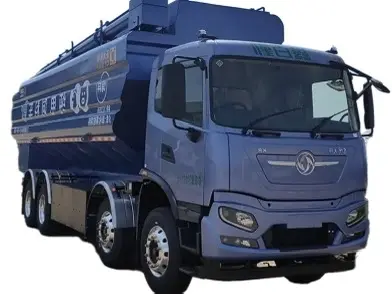
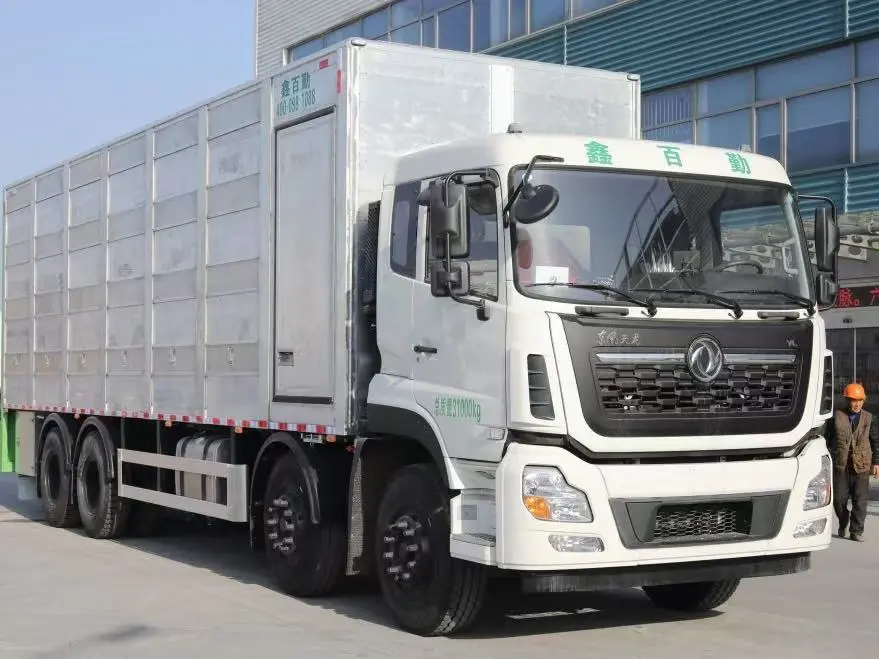
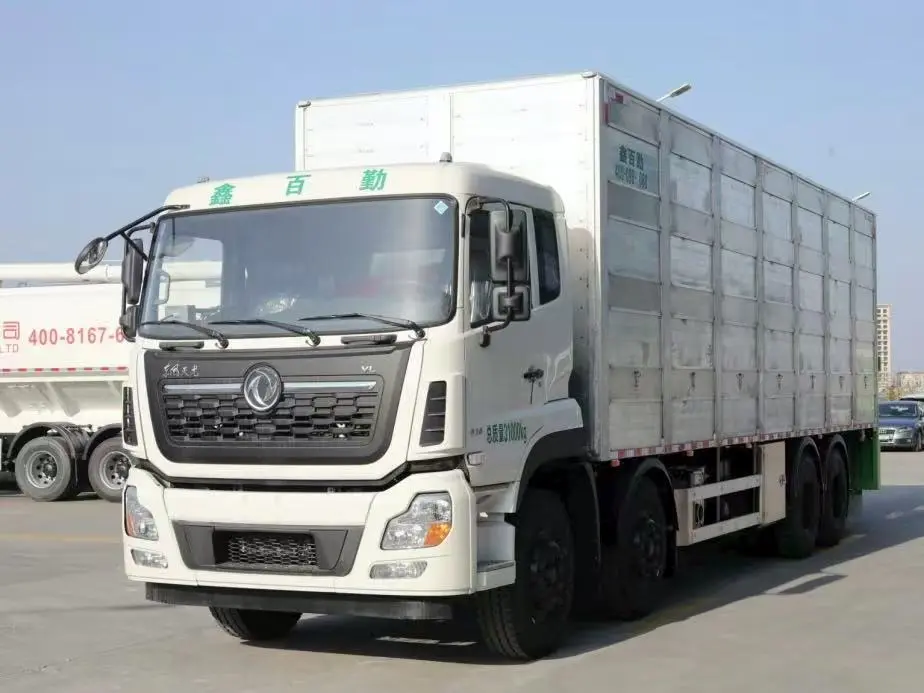
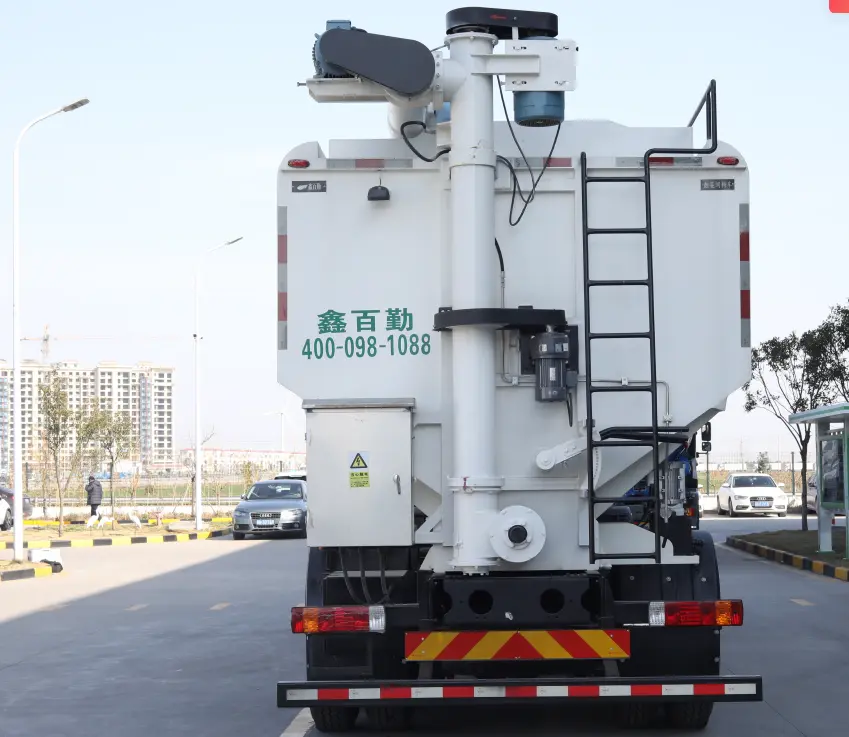
Heavy-duty feed trucks are built from the ground up to endure. They feature reinforced chassis designed to handle the immense weight and constant vibration of transporting tons of feed. Unlike modified standard trailers, these vehicles utilize corrosion-resistant, food-grade aluminum alloys for their bodies and hoppers. This construction prevents rust and material degradation, ensuring the purity of the feed and extending the vehicle's lifespan despite constant exposure to the elements and abrasive feed ingredients.
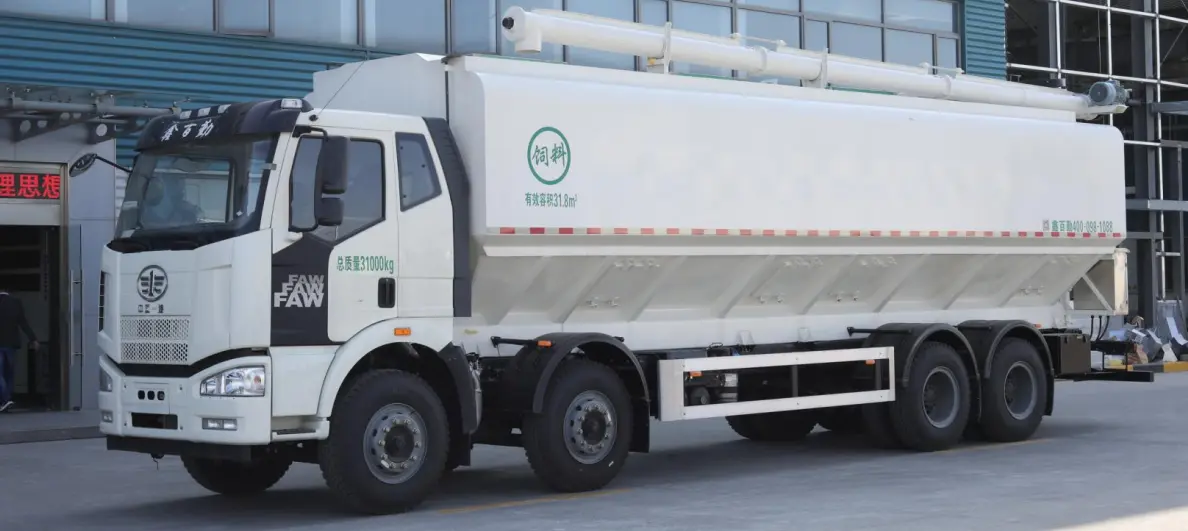
The powertrain and hydraulic systems are the heart of these vehicles. They are engineered for relentless operation, powering the complex auger systems that move feed from the vehicle's compartments into the farm's bulk bins quickly and efficiently. Downtime is not an option. Manufacturers of professional-grade transport vehicles use industrial-grade components that are easily serviceable and designed for minimal maintenance, keeping your fleet on the road and your birds fed on schedule.
Maximizing Operational Efficiency and Precision
Time is money. Modern feed transport vehicles drastically reduce loading and unloading times. Large, strategically placed hatches allow for rapid loading at the feed mill, while powerful, computer-controlled discharge systems can accurately deliver precise amounts of feed to individual bins on the farm in minutes.
This precision is crucial for modern feeding programs. Many farms operate on phase-feeding regimes, where different bird ages receive different feed formulations. Advanced transport vehicles feature multiple compartmentalized tanks, allowing a single truck to deliver several distinct feed types directly to specific houses on the same trip. This eliminates cross-contamination, ensures nutritional accuracy, and saves countless hours and miles compared to using multiple single-compartment trucks.
Prioritizing Feed Quality and Biosecurity
In an era of heightened disease awareness, biosecurity is non-negotiable. Feed trucks can be a vector for pathogens if not properly designed and managed. Leading heavy-duty transport vehicles are built with biosecurity as a core principle.
Features include fully sealed panels and hatches to prevent moisture ingress and pest intrusion during transit. Furthermore, integrated dust suppression systems are critical. They minimize the release of feed dust at discharge—a key factor in reducing the risk of airborne pathogen transmission between farms and protecting both animal and worker health. Many models also offer clean-out systems and easy-access panels for thorough and effective sanitation between loads, especially when moving between different farm sites.
The Smart Investment: Technology and Return on Investment
The latest generation of vehicles goes beyond mechanical prowess; they are data hubs on wheels. Integrated weighing systems provide real-time data on feed inventory, consumption rates, and delivery accuracy. This telematics data can be seamlessly integrated into farm management software, providing operators with unparalleled visibility into their supply chain. Fleet managers can track vehicle location, monitor fuel consumption, schedule predictive maintenance, and analyze delivery efficiency—all from a central dashboard.
The initial investment in a purpose-built heavy-duty feed truck is significant, but it must be viewed through the lens of Total Cost of Ownership (TCO). The combination of superior fuel efficiency, reduced maintenance costs, minimized downtime, and labor savings creates a compelling financial case. Most importantly, by guaranteeing reliable, precise, and safe feed delivery, these vehicles protect the massive capital investment tied up in your flock every single day.
For large-scale poultry producers aiming to compete at the highest level, investing in a specialized heavy-duty feed transport fleet is no longer a luxury—it is a strategic imperative. It is an investment in reliability, efficiency, and ultimately, the sustainable future of your operation