

Energy-Efficient Refrigerated Vehicles for Sustainable Farming
The High Cost of Keeping Cool
Conventional transport refrigeration units (TRUs) are notoriously energy-intensive. Typically powered by a separate diesel engine, they can consume up to 20% of a vehicle's total fuel. This leads to:
Soaring Operational Costs: Fuel is one of the largest expenses for haulers. Inefficient cooling directly eats into profit margins.
Significant Environmental Impact: Diesel-powered TRUs are major emitters of greenhouse gases (CO2) and harmful pollutants like nitrogen oxides (NOx) and particulate matter (PM), contributing to air quality issues and climate change.
Noise Pollution: Traditional diesel units are loud, making early morning or late-night deliveries in urban areas a logistical and regulatory challenge.
For a farm claiming sustainable practices, the paradox of producing organic or ethically sourced food only to have it delivered in a polluting vehicle is becoming unacceptable to consumers and retailers alike.
Key Innovations Driving Efficiency
Energy-efficient reefer vehicles address these challenges through a combination of smarter technology, alternative power, and improved design.
1. Electric & Hybrid Drive Refrigeration Units:
This is the most transformative shift. Instead of a dedicated diesel engine, these units use:
All-Electric Units: Powered by the vehicle's main engine or a separate battery pack, they produce zero emissions at the point of use. They are quieter and have fewer moving parts, reducing maintenance needs.
Hybrid Units: These combine a smaller diesel engine with an electric motor, switching between power sources based on temperature needs and location (e.g., using electric mode for silent, emission-free standing in urban areas).
2. Advanced Telematics and Smart Control Systems:
Intelligence is just as important as hardware. Modern systems use:
Pre-Cooling: Using grid power to cool the cargo to the precise temperature before departure, drastically reducing the workload on the vehicle's TRU.
Predictive Control: Algorithms adjust the cooling output based on real-time data, including external temperature, sunlight, and door openings, avoiding unnecessary energy use.
Remote Monitoring: Fleet managers can track temperature, fuel/battery consumption, and unit performance in real-time, allowing for proactive maintenance and immediate intervention if parameters are breached.
3. Superior Insulation and Aerodynamics:
Efficiency starts with keeping cold air in and heat out.
Enhanced Insulation Materials: New foam insulants with higher R-values provide better thermal resistance in thinner layers, maximizing cargo space while minimizing thermal leakage.
Aerodynamic Design: Streamlined trailer shapes and roof designs reduce drag, improving the fuel efficiency of the entire vehicle-tractor combination.
4. Sustainable Refrigerants:
The substance that does the cooling matters. Older refrigerants like R404A have a very high Global Warming Potential (GWP). The industry is rapidly transitioning to next-generation, low-GWP natural refrigerants like CO2 (R744) and Hydrocarbons, which are far more environmentally friendly if leaked.
5. Solar-Assisted Cooling:
Some innovators are integrating thin, flexible solar panels onto the trailer roof. This solar energy can power auxiliary systems, such as interior lighting and telematics, or even contribute to charging the battery that powers the electric TRU, further reducing reliance on diesel.
The Tangible Benefits for Sustainable Farming
Investing in this technology is a strategic move that pays dividends across the board.
Reduced Carbon Footprint: This is the most obvious benefit. Switching to electric or hybrid TRUs slashes direct emissions, aligning transport with the core values of a sustainable farm and helping meet Scope 3 emissions targets for retailers.
Lower Total Cost of Ownership (TCO): While the initial investment is higher, the savings are substantial. Lower fuel and maintenance costs, along with potential government incentives for green technology, lead to a compelling long-term ROI.
Enhanced Product Quality and Reduced Waste: Precise, consistent temperature control ensures farm products arrive in perfect condition. This reduces spoilage and waste, protecting revenue and conserving the resources (water, land, energy) used to produce the food in the first place.
Market Access and Brand Reputation: Major retailers and conscious consumers increasingly demand verifiably sustainable logistics. A farm that uses energy-efficient transport strengthens its brand story, complies with stricter regulations, and gains access to premium markets.
Operational Flexibility: Quiet, electric TRUs enable night-time and inner-city deliveries, opening up new logistical possibilities and reducing delivery times.
Conclusion: A Necessary Evolution
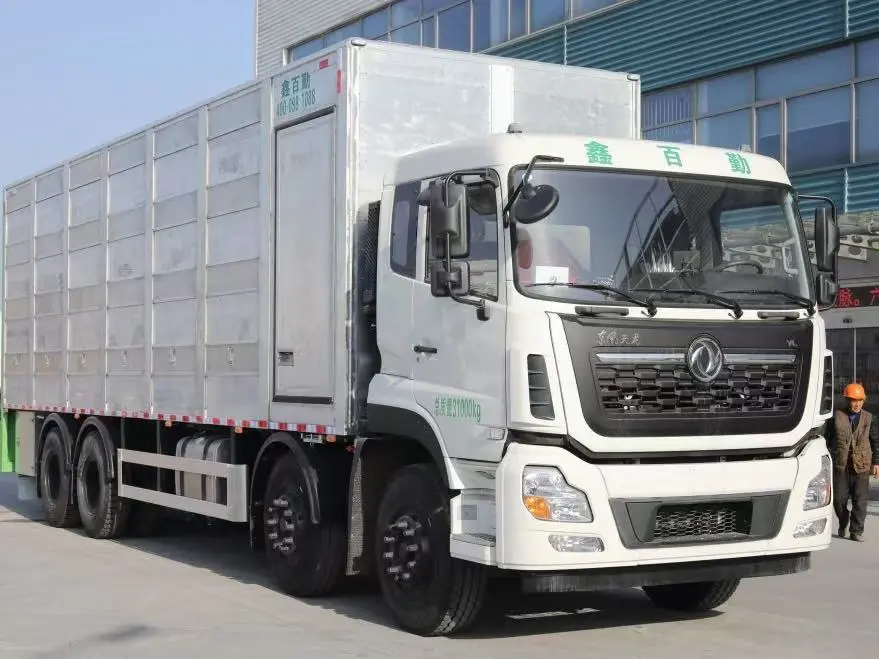
The Refrigerated Transport Vehicle is shedding its image as a mere "icebox on wheels." It is evolving into a connected, intelligent, and highly efficient component of a modern sustainable farm. For forward-thinking producers, upgrading to energy-efficient refrigeration is not just a logistical decision—it is an ethical and economic imperative. It represents a critical step in ensuring that the journey from farm to table preserves not just the quality of the food, but the health of the planet as well. By embracing these innovations, farmers can truly close the loop on sustainability, guaranteeing that their products are delivered in a way that is as responsible as the methods used to produce them.