

Custom-Built Agricultural Trucks: When Standard Models Aren't Enough
The Limitations of the "One-Size-Fits-All" Truck
A standard truck is designed for the average consumer or the general freight hauler. It isn't engineered for the unique challenges of the agricultural environment:
Extreme Weight and Payload: Hauling grain, liquid manure, or livestock often involves gross vehicle weights that far exceed standard limits, demanding heavier-duty frames, axles, and suspensions.
Specialized Terrain: Navigating muddy fields, dusty feedlots, or steep orchards requires specific tire systems, enhanced ground clearance, and 4x4 or all-wheel-drive capabilities that go beyond standard offerings.
Unique Power Needs: Operating a feed mixer, a manure pump, or a hydraulic grain auger directly from the truck requires a Power Take-Off (PTO) system and an upgraded powertrain that standard trucks lack.
Corrosive Environments: Constant exposure to fertilizers, manure, and moisture quickly corrodes standard materials, leading to premature wear and expensive repairs.
When a standard truck consistently operates beyond its intended design, the result isn't just inefficiency—it's accelerated depreciation, costly downtime, and safety risks.
The Custom-Built Advantage: Purpose-Built for the Task
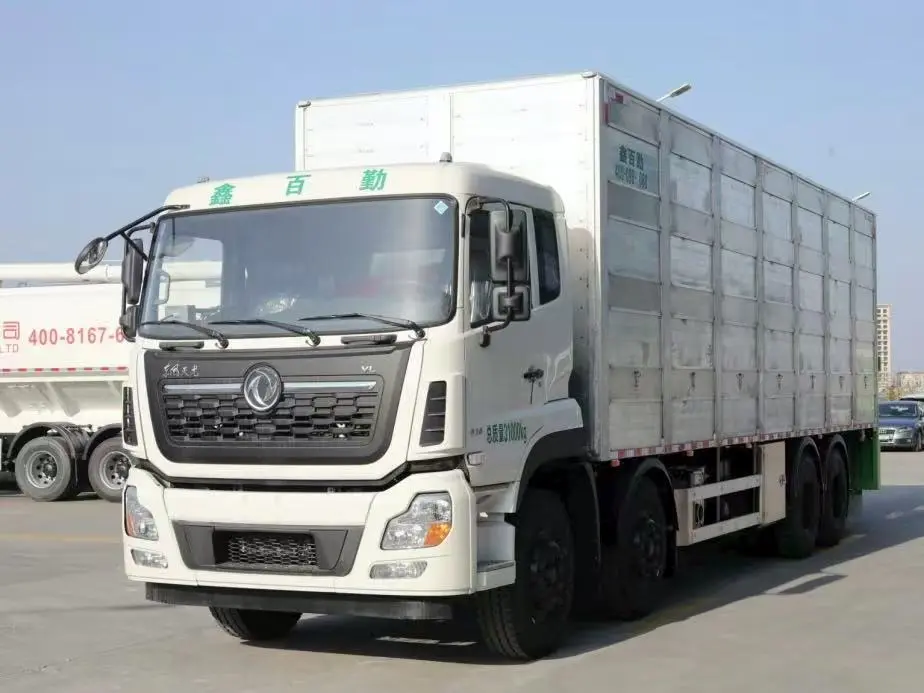
Custom-building a truck involves working with specialized manufacturers and upfitters to create a vehicle that is engineered from the chassis up for a specific agricultural function. Key areas of customization include:
1. Chassis and Suspension:
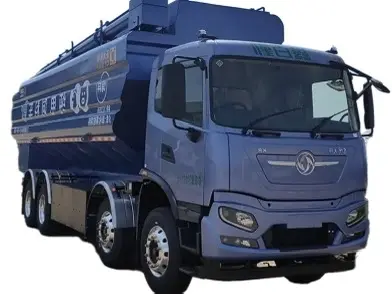
The foundation of any custom truck is its chassis. For heavy-duty applications like operating as a Bulk Feed Body truck or a Liquid Manure Vacuum Tanker, upfitters start with a proven commercial-grade chassis (from brands like Peterbilt, Kenworth, or International) and then reinforce it. This includes:
Heavy-Duty Axles: Upgraded front and rear axles with higher weight ratings.
Air-Ride or Heavy-Duty Spring Suspensions: To manage immense payloads smoothly and protect both the truck and the load from damage on rough ground.
Extended Wheelbases: To accommodate specific body lengths and ensure optimal weight distribution.
2. Power Take-Off (PTO) and Hydraulic Systems:
This is the heart of a true agricultural workhorse. A robust PTO system transfers power from the truck's engine to the attached equipment. This allows a single vehicle to:
Power the augers on a grain truck for rapid unloading.
Operate the pump on a liquid manure spreader.
Run the mixing mechanism on a total mixed ration (TMR) feed truck.
Custom systems are engineered to provide the precise hydraulic flow and pressure needed, turning the truck into a mobile power station.
3. Specialized Bodies and Equipment:
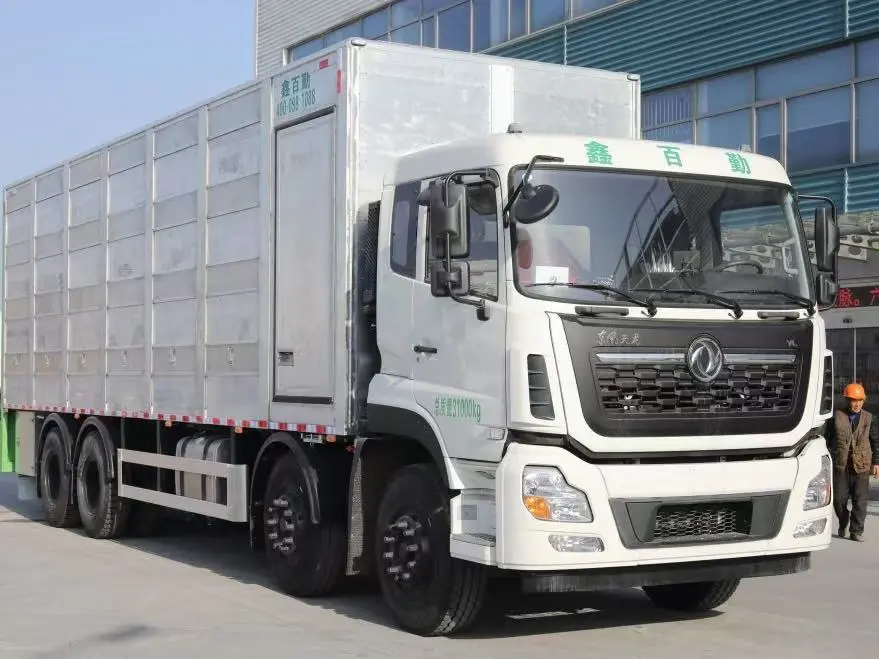
The chassis becomes a platform for a vast array of specialized bodies:
Grain Bodies: Lightweight, high-volume aluminum bodies with integrated auger systems for efficient unloading at elevators or on-farm storage.
Live Bottom (Walking Floor) Trailers: For handling difficult materials like silage, biomass, or compost without the need for tipping.
Liquid Tanks: For hauling water, liquid fertilizer, or manure, built with baffles to manage liquid slosh and specialized valves for precise application.
Flatbeds with Hi-Ab Cranes: For handling large hay bales, fencing materials, or machinery parts directly from the truck.
4. Terrain-Specific Modifications:
For operations in vineyards, orchards, or muddy pastures, standard truck heights are a liability. Customizations include:
High-Clearance Axles and Suspensions: Lifting the entire chassis to avoid damaging low-hanging fruit branches or bottoming out in ruts.
Specialized Tires: Aggressive, flotation tires for mud or sand, or low-pressure tires to minimize soil compaction.
All-Wheel Drive Conversions: Adding driven front axles to standard trucks for unparalleled traction in the field.
The Bottom Line: Is Customization Worth It?
The upfront investment for a custom-built truck is undeniably higher than a standard model. However, the long-term Return on Investment (ROI) is compelling:
Dramatically Increased Efficiency: One custom truck can often do the job of two or three standard vehicles, saving on labor, fuel, and overall fleet size.
Enhanced Durability and Longevity: Components built for the task last longer, reducing https://site_dd8fd64d-f514-4a46-8014-49e64e2641fc/maintenance costs and downtime during critical seasons like harvest.
Improved Safety: Properly rated components and balanced weight distribution reduce the risk of accidents caused by overloading or equipment failure.
Asset Optimization: A truck that perfectly fits your operation is an asset that works harder, earns more, and holds its value better.
Conclusion
In today's competitive agricultural landscape, the right equipment is a strategic advantage. Custom-built agricultural trucks represent the pinnacle of this philosophy. They move beyond the compromise of standard models to offer a perfect fusion of power, purpose, and practicality. For the progressive farmer who views their operation as a precision enterprise, investing in a truck that is truly enough isn't an expense—it's a essential step towards greater resilience and profitability.