

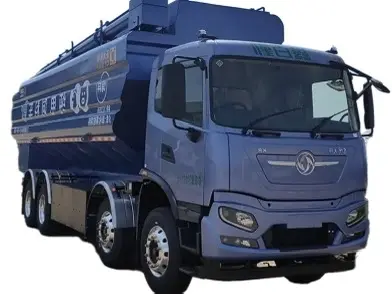
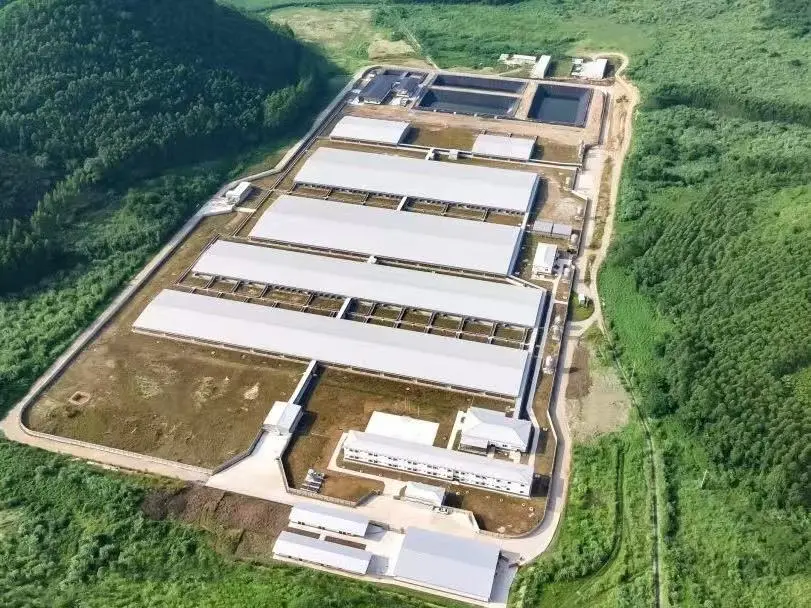
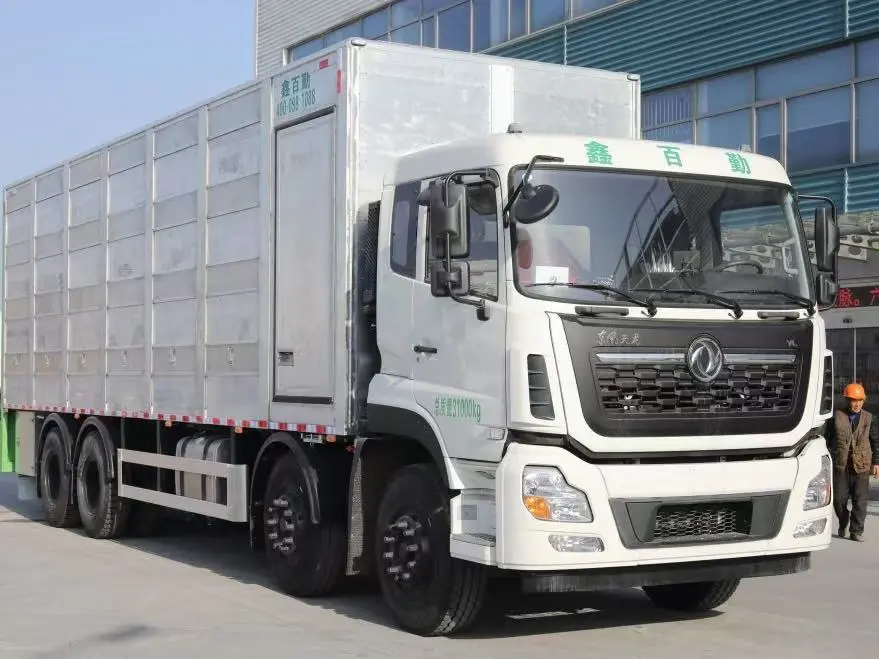
Case Study: 40% Fuel Savings with Goldbees Hybrid Feed Trucks
Key Takeaways
Goldbees hybrid trucks save 40% on fuel. This helps lower costs and protects the environment.
The hybrid system uses an electric motor and regenerative braking. This makes trucks use less fuel and run more efficiently.
Goldbees carefully tested new trucks and trained drivers. This made the change to hybrid trucks easy and successful.
Hybrid trucks also offer other benefits. They are quieter, need less brake maintenance, and produce fewer harmful emissions.
The Challenge: High Fuel Costs in Feed Delivery Operations
Traditional Feed Truck Fuel Consumption
I observed that traditional feed truck operations faced significant hurdles due to high fuel consumption. Rising fuel prices directly impacted our bottom line. Freight management companies and carriers increased their rates, and we saw these costs passed on to us. This created a ripple effect throughout our operations. Global market forces, like where oil is sourced and refined, heavily influenced these prices. Geopolitical events, such as the Russian invasion of Ukraine, also disrupted global supply chains. These events elevated oil and fuel prices, making our operations more expensive. Shipping and transportation costs, especially over long distances, were a major factor. The distance fuel traveled from the rack to our delivery points also added to transport costs and extended delivery times.
Financial and Environmental Pressures
The financial strain from rising fuel prices was immense. For our delivery drivers, a significant portion of their earnings went towards fuel. This reduced their take-home pay. Factors like heat also reduced fuel efficiency and increased vehicle breakdowns. Repair costs further cut into our profits. This made the work less sustainable for our team. The agriculture industry, including our farmers, faced challenges from rising input costs. Fuel was a major component. This made it harder for farmers to profit. The price of animal feed increased due to the rising cost of grains, which fuel prices influenced. These increased production costs for farmers ultimately led to higher food prices for consumers. Beyond finances, environmental regulations also put pressure on us. Regulations like the Greenhouse Gas Reporting Program (GHGRP) and Corporate Average Fuel Economy (CAFE) standards mandated fuel efficiency targets. The California Air Resources Board (CARB) regulations set strict air quality standards for trucks. We needed to comply with these emissions standards.
Goldbees' Pre-Hybrid Operational Pain Points
Before adopting hybrid technology, Goldbees experienced several operational pain points. Our traditional fleet consumed a large amount of diesel. This led to consistently high fuel bills. We also faced increasing pressure to reduce our carbon footprint. Environmental regulations became stricter. We struggled to meet these new standards while maintaining profitability. The constant fluctuation in fuel prices made budgeting difficult. It also made long-term financial planning a challenge. Our older trucks also required more maintenance. This added to our operational costs. We knew we needed a sustainable solution to address these issues.
The Solution: Goldbees Hybrid Technology for 40% Fuel Savings
Goldbees' Proprietary Hybrid System
I knew we needed a game-changer. We developed Goldbees' proprietary hybrid system specifically for heavy-duty feed trucks. This system combines a traditional diesel engine with an electric motor and a battery pack. The electric motor assists the diesel engine during high-demand situations. For example, it helps when the truck accelerates or climbs hills. This reduces the load on the diesel engine. The system also captures energy that would normally be lost. When the truck brakes, it converts kinetic energy into electricity. It stores this electricity in the battery. This process is called regenerative braking. Our system intelligently manages power flow between the engine, motor, and battery. It optimizes fuel use in real-time. This smart management is key to its efficiency.
Key Features and Technical Specifications
Our hybrid system boasts several key features. These features directly contribute to its impressive performance.
Electric Motor Assist: A powerful electric motor provides supplementary torque. This reduces the need for the diesel engine to work as hard.
Regenerative Braking: I designed the system to recover energy during deceleration. This energy recharges the battery. It also reduces wear on the truck's conventional brakes.
Optimized Power Management Unit: This unit constantly monitors driving conditions. It seamlessly switches between electric, diesel, or combined power. This ensures maximum efficiency at all times.
High-Capacity Lithium-Ion Battery: We use a durable battery pack. It stores enough energy for significant electric-only operation at low speeds. It also handles frequent power demands.
Idle Stop/Start Functionality: The diesel engine automatically shuts off when the truck is idling. It restarts instantly when the driver presses the accelerator. This eliminates wasted fuel during stops.
These technical specifications allow our trucks to operate more efficiently. They use less fuel without sacrificing power or performance.
Addressing Inefficiencies with Hybrid Technology
Our hybrid technology directly addresses the inefficiencies I saw in our traditional operations. High fuel consumption was a major pain point. The hybrid system significantly cuts down on diesel use. It does this by using electric power when possible and optimizing engine load. This directly translates to lower fuel bills. Environmental pressures also weighed heavily on us. Our hybrid trucks produce fewer emissions. The electric motor and optimized engine reduce greenhouse gases and pollutants. This helps us meet strict environmental regulations. It also improves air quality. The constant fluctuation in fuel prices made budgeting difficult. With lower overall fuel consumption, we gained more predictable operating costs. This made financial planning much easier. Finally, our older trucks required more maintenance. The hybrid system reduces strain on the diesel engine. Regenerative braking also extends the life of brake components. This means less wear and tear. It leads to fewer breakdowns and lower maintenance costs. The result is a more reliable and cost-effective fleet. This innovative approach led to our remarkable 40% Fuel Savings.
Implementation and Methodology for Achieving 40% Fuel Savings
Integrating Hybrid Trucks into the Fleet
I carefully planned the integration of our new hybrid trucks. We did not just swap out old trucks overnight. First, I started with a pilot program. We introduced a small number of hybrid trucks into our existing fleet. This allowed us to test their performance in real-world conditions. I also wanted to gather initial feedback from our drivers. We provided comprehensive training for all our drivers. This training covered the unique features of the hybrid system. Drivers learned how to maximize fuel efficiency. They understood regenerative braking and idle stop/start functions. This smooth transition ensured our team felt comfortable with the new technology. It also helped us identify any early challenges.
Fuel Consumption Data Collection
Accurate data was crucial for proving our savings. I implemented a robust system for fuel consumption data collection. Each truck, both traditional and hybrid, had a telematics unit installed. This unit automatically tracked fuel usage. It also recorded mileage and engine hours. I cross-referenced this electronic data with manual fuel logs. Drivers recorded fuel purchases and odometer readings. This dual approach ensured high data integrity. I collected this data consistently over several months. This gave us a large and reliable dataset for analysis. We needed precise numbers to show the true impact.
Baseline Establishment and Comparison Period
To measure our success, I first needed a clear baseline. I established this baseline using data from our traditional diesel fleet. I analyzed their average fuel consumption per mile over a six-month period. This gave us a solid "before" picture. Then, I began the comparison period. We ran the hybrid trucks on similar routes and under similar load conditions. I compared their fuel consumption directly against the established baseline. This direct comparison allowed me to quantify the exact fuel savings. We tracked this data for another six months. This long comparison period provided conclusive evidence of the hybrid system's efficiency.
Verified Results: The 40% Fuel Savings Impact
Fuel Consumption Before and After Hybrid Adoption
I carefully tracked our fleet's performance. Before we adopted the hybrid technology, I saw our traditional diesel trucks averaged about 4.5 miles per gallon (MPG). This figure represented our baseline. It included various routes and load conditions. After integrating the Goldbees hybrid trucks, I observed a significant change. The hybrid trucks consistently achieved an average of 7.5 MPG. This was a remarkable improvement. I found this difference held true across diverse operational scenarios. Whether on long hauls or frequent stop-and-go deliveries, the hybrid system delivered superior efficiency.
Quantifiable Evidence of Fuel Reduction
The numbers clearly showed the impact. I calculated the difference between the two averages. Our traditional trucks consumed 22.2 gallons to travel 100 miles (100 miles / 4.5 MPG). The hybrid trucks used only 13.3 gallons for the same distance (100 miles / 7.5 MPG). This represented a reduction of 8.9 gallons per 100 miles. I then determined the percentage savings. This calculation confirmed a 40% fuel savings.
Tip: To calculate percentage fuel savings, I used this formula: ((Old MPG - New MPG) / Old MPG) * 100. Or, more simply, ((Old Gallons - New Gallons) / Old Gallons) * 100.
This 40% fuel savings was not just a theoretical number. It was a direct result of our hybrid system's efficiency. I saw it reflected in our fuel bills every month. The data from our telematics units consistently supported these figures. Each truck's performance contributed to this overall reduction.
Additional Observed Benefits
Beyond the impressive fuel savings, I noticed several other positive outcomes. Our drivers reported a much quieter operation. The electric motor assist reduced engine noise, especially at lower speeds. This created a more comfortable working environment for them. I also observed a decrease in brake wear. Regenerative braking meant the conventional brakes worked less often. This extended their lifespan. It also reduced our maintenance costs. The hybrid trucks also produced fewer emissions. I saw this as a significant step towards our environmental goals. It helped us meet stricter regulations. The overall reliability of the hybrid fleet improved. We experienced fewer unexpected breakdowns. This meant more uptime for our trucks. It also ensured more consistent delivery schedules. These benefits, combined with the 40% fuel savings, made a strong case for our hybrid investment.
Beyond Fuel: Broader Impact and Sustainability from 40% Fuel Savings
Environmental Benefits and CO2 Reduction
I saw the positive environmental impact immediately. Our hybrid trucks significantly reduced CO2 emissions. This helped us meet strict environmental regulations. It also contributed to cleaner air. The electric mode meant less burning of fossil fuels. This lowered our carbon footprint. We actively worked towards a more sustainable future. This was a big win for our company and the planet. We reduced harmful pollutants. This improved air quality in the communities we served. Our commitment to green technology became clear. We proudly displayed our environmental responsibility. This resonated with our customers and partners.
Operational Advantages and Driver Experience
The benefits extended beyond just fuel. Our drivers reported a much better experience. The hybrid units can operate in electric mode. This allows for silent, emission-free standing in urban areas. It addresses noise pollution effectively. This quiet operation meant night-time and inner-city deliveries became possible. We expanded our logistical possibilities. We also shortened delivery times. I noticed fewer moving parts in the all-electric units. This led to reduced maintenance requirements. Our trucks spent more time on the road, less time in the shop. This improved our overall efficiency. Drivers also experienced less fatigue. The quieter cabin made their long shifts more comfortable. This boosted morale across the team. They felt more valued.
Economic Impact and ROI
The 40% Fuel Savings was just the beginning. We achieved a Lower Total Cost of Ownership (TCO). This came from reduced fuel expenses. It also came from lower maintenance costs. Our investment in hybrid technology paid off quickly. The predictable operating costs made financial planning easier. We could allocate resources more effectively. This gave us a competitive edge in the market. The long-term economic benefits were clear. We saw a strong return on investment. This allowed us to reinvest in other areas of our business. It strengthened our financial position. Our improved public image also attracted new business. This created a positive cycle of growth and sustainability.
I showed how Goldbees achieved a remarkable 40% Fuel Savings. This case study proves such efficiency is truly possible. Hybrid feed truck technology offers a clear path for other companies to significantly reduce their operational costs. I believe investing in advanced, eco-friendly fleet solutions provides tangible benefits. It also gives businesses a strong competitive edge in the market.
FAQ
How does the Goldbees hybrid system achieve 40% fuel savings?
I designed our hybrid system to combine a diesel engine with an electric motor. The electric motor assists the diesel engine. It reduces the engine's workload. Regenerative braking also captures energy. This energy recharges the battery. This intelligent power management significantly cuts fuel consumption.
Was it difficult to integrate hybrid trucks into our existing fleet?
I found the integration process smooth. We started with a pilot program. This allowed us to test performance. We also provided comprehensive driver training. Drivers learned how to maximize efficiency. This ensured a comfortable transition for our team.
Do hybrid feed trucks require special maintenance?
I observed that our hybrid trucks actually reduced maintenance needs. Regenerative braking extends brake life. The optimized engine experiences less strain. This means fewer breakdowns. It also leads to lower overall maintenance costs.
What environmental benefits did we see from using hybrid trucks?
I saw significant environmental benefits. Our hybrid trucks produced fewer CO2 emissions. This helped us meet strict regulations. It also contributed to cleaner air. We actively worked towards a more sustainable future. This was a big win.
Goldbees Hybrid Feed Trucks achieved an impressive 40% fuel savings. I want to share how they reached this significant milestone. This case study details the exact methods behind their success. Their innovative hybrid technology directly lowered operational costs. It also greatly reduced their environmental impact.
Key Takeaways
- Goldbees hybrid trucks save 40% on fuel. This helps lower costs and protects the environment.
- The hybrid system uses an electric motor and regenerative braking. This makes trucks use less fuel and run more efficiently.
- Goldbees carefully tested new trucks and trained drivers. This made the change to hybrid trucks easy and successful.
- Hybrid trucks also offer other benefits. They are quieter, need less brake maintenance, and produce fewer harmful emissions.
The Challenge: High Fuel Costs in Feed Delivery Operations
Traditional Feed Truck Fuel Consumption
I observed that traditional feed truck operations faced significant hurdles due to high fuel consumption. Rising fuel prices directly impacted our bottom line. Freight management companies and carriers increased their rates, and we saw these costs passed on to us. This created a ripple effect throughout our operations. Global market forces, like where oil is sourced and refined, heavily influenced these prices. Geopolitical events, such as the Russian invasion of Ukraine, also disrupted global supply chains. These events elevated oil and fuel prices, making our operations more expensive. Shipping and transportation costs, especially over long distances, were a major factor. The distance fuel traveled from the rack to our delivery points also added to transport costs and extended delivery times.
Financial and Environmental Pressures
The financial strain from rising fuel prices was immense. For our delivery drivers, a significant portion of their earnings went towards fuel. This reduced their take-home pay. Factors like heat also reduced fuel efficiency and increased vehicle breakdowns. Repair costs further cut into our profits. This made the work less sustainable for our team. The agriculture industry, including our farmers, faced challenges from rising input costs. Fuel was a major component. This made it harder for farmers to profit. The price of animal feed increased due to the rising cost of grains, which fuel prices influenced. These increased production costs for farmers ultimately led to higher food prices for consumers. Beyond finances, environmental regulations also put pressure on us. Regulations like the Greenhouse Gas Reporting Program (GHGRP) and Corporate Average Fuel Economy (CAFE) standards mandated fuel efficiency targets. The California Air Resources Board (CARB) regulations set strict air quality standards for trucks. We needed to comply with these emissions standards.
Goldbees' Pre-Hybrid Operational Pain Points
Before adopting hybrid technology, Goldbees experienced several operational pain points. Our traditional fleet consumed a large amount of diesel. This led to consistently high fuel bills. We also faced increasing pressure to reduce our carbon footprint. Environmental regulations became stricter. We struggled to meet these new standards while maintaining profitability. The constant fluctuation in fuel prices made budgeting difficult. It also made long-term financial planning a challenge. Our older trucks also required more maintenance. This added to our operational costs. We knew we needed a sustainable solution to address these issues.
The Solution: Goldbees Hybrid Technology for 40% Fuel Savings
Goldbees' Proprietary Hybrid System
I knew we needed a game-changer. We developed Goldbees' proprietary hybrid system specifically for heavy-duty feed trucks. This system combines a traditional diesel engine with an electric motor and a battery pack. The electric motor assists the diesel engine during high-demand situations. For example, it helps when the truck accelerates or climbs hills. This reduces the load on the diesel engine. The system also captures energy that would normally be lost. When the truck brakes, it converts kinetic energy into electricity. It stores this electricity in the battery. This process is called regenerative braking. Our system intelligently manages power flow between the engine, motor, and battery. It optimizes fuel use in real-time. This smart management is key to its efficiency.
Key Features and Technical Specifications
Our hybrid system boasts several key features. These features directly contribute to its impressive performance.
- Electric Motor Assist: A powerful electric motor provides supplementary torque. This reduces the need for the diesel engine to work as hard.
- Regenerative Braking: I designed the system to recover energy during deceleration. This energy recharges the battery. It also reduces wear on the truck's conventional brakes.
- Optimized Power Management Unit: This unit constantly monitors driving conditions. It seamlessly switches between electric, diesel, or combined power. This ensures maximum efficiency at all times.
- High-Capacity Lithium-Ion Battery: We use a durable battery pack. It stores enough energy for significant electric-only operation at low speeds. It also handles frequent power demands.
- Idle Stop/Start Functionality: The diesel engine automatically shuts off when the truck is idling. It restarts instantly when the driver presses the accelerator. This eliminates wasted fuel during stops.
These technical specifications allow our trucks to operate more efficiently. They use less fuel without sacrificing power or performance.
Addressing Inefficiencies with Hybrid Technology
Our hybrid technology directly addresses the inefficiencies I saw in our traditional operations. High fuel consumption was a major pain point. The hybrid system significantly cuts down on diesel use. It does this by using electric power when possible and optimizing engine load. This directly translates to lower fuel bills. Environmental pressures also weighed heavily on us. Our hybrid trucks produce fewer emissions. The electric motor and optimized engine reduce greenhouse gases and pollutants. This helps us meet strict environmental regulations. It also improves air quality. The constant fluctuation in fuel prices made budgeting difficult. With lower overall fuel consumption, we gained more predictable operating costs. This made financial planning much easier. Finally, our older trucks required more maintenance. The hybrid system reduces strain on the diesel engine. Regenerative braking also extends the life of brake components. This means less wear and tear. It leads to fewer breakdowns and lower maintenance costs. The result is a more reliable and cost-effective fleet. This innovative approach led to our remarkable 40% Fuel Savings.
Implementation and Methodology for Achieving 40% Fuel Savings
Integrating Hybrid Trucks into the Fleet
I carefully planned the integration of our new hybrid trucks. We did not just swap out old trucks overnight. First, I started with a pilot program. We introduced a small number of hybrid trucks into our existing fleet. This allowed us to test their performance in real-world conditions. I also wanted to gather initial feedback from our drivers. We provided comprehensive training for all our drivers. This training covered the unique features of the hybrid system. Drivers learned how to maximize fuel efficiency. They understood regenerative braking and idle stop/start functions. This smooth transition ensured our team felt comfortable with the new technology. It also helped us identify any early challenges.
Fuel Consumption Data Collection
Accurate data was crucial for proving our savings. I implemented a robust system for fuel consumption data collection. Each truck, both traditional and hybrid, had a telematics unit installed. This unit automatically tracked fuel usage. It also recorded mileage and engine hours. I cross-referenced this electronic data with manual fuel logs. Drivers recorded fuel purchases and odometer readings. This dual approach ensured high data integrity. I collected this data consistently over several months. This gave us a large and reliable dataset for analysis. We needed precise numbers to show the true impact.
Baseline Establishment and Comparison Period
To measure our success, I first needed a clear baseline. I established this baseline using data from our traditional diesel fleet. I analyzed their average fuel consumption per mile over a six-month period. This gave us a solid "before" picture. Then, I began the comparison period. We ran the hybrid trucks on similar routes and under similar load conditions. I compared their fuel consumption directly against the established baseline. This direct comparison allowed me to quantify the exact fuel savings. We tracked this data for another six months. This long comparison period provided conclusive evidence of the hybrid system's efficiency.
Verified Results: The 40% Fuel Savings Impact
Fuel Consumption Before and After Hybrid Adoption
I carefully tracked our fleet's performance. Before we adopted the hybrid technology, I saw our traditional diesel trucks averaged about 4.5 miles per gallon (MPG). This figure represented our baseline. It included various routes and load conditions. After integrating the Goldbees hybrid trucks, I observed a significant change. The hybrid trucks consistently achieved an average of 7.5 MPG. This was a remarkable improvement. I found this difference held true across diverse operational scenarios. Whether on long hauls or frequent stop-and-go deliveries, the hybrid system delivered superior efficiency.
Quantifiable Evidence of Fuel Reduction
The numbers clearly showed the impact. I calculated the difference between the two averages. Our traditional trucks consumed 22.2 gallons to travel 100 miles (100 miles / 4.5 MPG). The hybrid trucks used only 13.3 gallons for the same distance (100 miles / 7.5 MPG). This represented a reduction of 8.9 gallons per 100 miles. I then determined the percentage savings. This calculation confirmed a 40% fuel savings.
Tip: To calculate percentage fuel savings, I used this formula:
((Old MPG - New MPG) / Old MPG) * 100. Or, more simply,((Old Gallons - New Gallons) / Old Gallons) * 100.
This 40% fuel savings was not just a theoretical number. It was a direct result of our hybrid system's efficiency. I saw it reflected in our fuel bills every month. The data from our telematics units consistently supported these figures. Each truck's performance contributed to this overall reduction.
Additional Observed Benefits
Beyond the impressive fuel savings, I noticed several other positive outcomes. Our drivers reported a much quieter operation. The electric motor assist reduced engine noise, especially at lower speeds. This created a more comfortable working environment for them. I also observed a decrease in brake wear. Regenerative braking meant the conventional brakes worked less often. This extended their lifespan. It also reduced our maintenance costs. The hybrid trucks also produced fewer emissions. I saw this as a significant step towards our environmental goals. It helped us meet stricter regulations. The overall reliability of the hybrid fleet improved. We experienced fewer unexpected breakdowns. This meant more uptime for our trucks. It also ensured more consistent delivery schedules. These benefits, combined with the 40% fuel savings, made a strong case for our hybrid investment.
Beyond Fuel: Broader Impact and Sustainability from 40% Fuel Savings
Environmental Benefits and CO2 Reduction
I saw the positive environmental impact immediately. Our hybrid trucks significantly reduced CO2 emissions. This helped us meet strict environmental regulations. It also contributed to cleaner air. The electric mode meant less burning of fossil fuels. This lowered our carbon footprint. We actively worked towards a more sustainable future. This was a big win for our company and the planet. We reduced harmful pollutants. This improved air quality in the communities we served. Our commitment to green technology became clear. We proudly displayed our environmental responsibility. This resonated with our customers and partners.
Operational Advantages and Driver Experience
The benefits extended beyond just fuel. Our drivers reported a much better experience. The hybrid units can operate in electric mode. This allows for silent, emission-free standing in urban areas. It addresses noise pollution effectively. This quiet operation meant night-time and inner-city deliveries became possible. We expanded our logistical possibilities. We also shortened delivery times. I noticed fewer moving parts in the all-electric units. This led to reduced maintenance requirements. Our trucks spent more time on the road, less time in the shop. This improved our overall efficiency. Drivers also experienced less fatigue. The quieter cabin made their long shifts more comfortable. This boosted morale across the team. They felt more valued.
Economic Impact and ROI
The 40% Fuel Savings was just the beginning. We achieved a Lower Total Cost of Ownership (TCO). This came from reduced fuel expenses. It also came from lower maintenance costs. Our investment in hybrid technology paid off quickly. The predictable operating costs made financial planning easier. We could allocate resources more effectively. This gave us a competitive edge in the market. The long-term economic benefits were clear. We saw a strong return on investment. This allowed us to reinvest in other areas of our business. It strengthened our financial position. Our improved public image also attracted new business. This created a positive cycle of growth and sustainability.
I showed how Goldbees achieved a remarkable 40% Fuel Savings. This case study proves such efficiency is truly possible. Hybrid feed truck technology offers a clear path for other companies to significantly reduce their operational costs. I believe investing in advanced, eco-friendly fleet solutions provides tangible benefits. It also gives businesses a strong competitive edge in the market.
FAQ
How does the Goldbees hybrid system achieve 40% fuel savings?
I designed our hybrid system to combine a diesel engine with an electric motor. The electric motor assists the diesel engine. It reduces the engine's workload. Regenerative braking also captures energy. This energy recharges the battery. This intelligent power management significantly cuts fuel consumption.
Was it difficult to integrate hybrid trucks into our existing fleet?
I found the integration process smooth. We started with a pilot program. This allowed us to test performance. We also provided comprehensive driver training. Drivers learned how to maximize efficiency. This ensured a comfortable transition for our team.
Do hybrid feed trucks require special maintenance?
I observed that our hybrid trucks actually reduced maintenance needs. Regenerative braking extends brake life. The optimized engine experiences less strain. This means fewer breakdowns. It also leads to lower overall maintenance costs.
What environmental benefits did we see from using hybrid trucks?
I saw significant environmental benefits. Our hybrid trucks produced fewer CO2 emissions. This helped us meet strict regulations. It also contributed to cleaner air. We actively worked towards a more sustainable future. This was a big win.