

Biosecurity Failures? Redesigning Poultry Trucks for Disease Prevention
The flaws of conventional truck design are numerous and interlinked, creating a perfect storm for disease transmission:
Impossible-to-Clean Surfaces: Traditional trailers are riddled with biosecurity traps: porous wooden floors, complex metal joints, exposed bolts, and countless seams and crevices. These areas trap moisture, feathers, dander, and fecal matter, creating resilient reservoirs for pathogens. High-pressure washing, the industry standard, often fails to reach these niches and can even aerosolize contaminated particles, spreading them further.
Ineffective Effluent Management: Leaking manure and wastewater are a primary route of environmental contamination. Standard designs allow fluids to drip onto roadways and farm access points, leaving a pathogen trail for other vehicles and wildlife to pick up.
Poor Compartmentalization: A single, open compartment means a single pathogen exposure can infect an entire load. There is no physical barrier to prevent the rapid spread of disease from one bird to thousands during transit.
Inadequate Airflow Management: Passive ventilation systems cannot prevent contaminated air from other farms or processing facilities from entering the trailer, nor can they stop the expulsion of pathogens from an infected load.These design shortcomings render even the most rigorous cleaning schedules vulnerable to human error and inefficiency, making biosecurity failures a matter of "when," not "if."
The Blueprint for a Safer Design: A Multi-Layered Approach
Redesigning poultry trucks for true disease prevention requires a holistic, multi-layered approach that creates a defensible, cleanable, and intelligent mobile environment.
1. The Materials Revolution: Seamless and Non-Porous
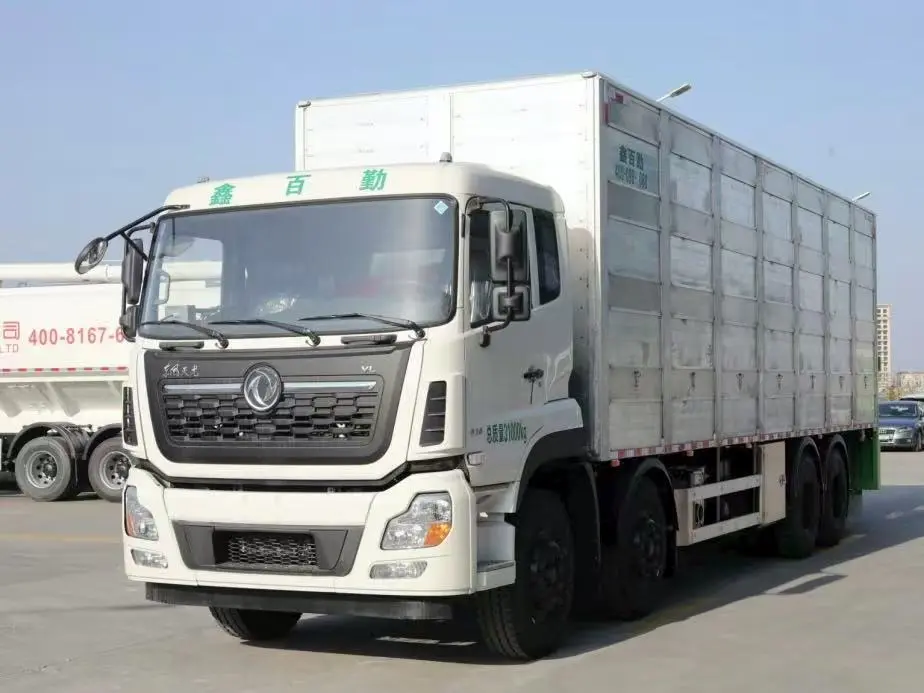
The first line of defense is the surface itself. The industry is shifting towards non-porous composite materials and smooth, coated stainless steels for interiors. Floors and walls are being redesigned to be seamless, with fully welded, rounded corners that eliminate the 90-degree angles where organic matter accumulates. This makes thorough cleaning and disinfection not just possible, but efficient and verifiable.
2. Closed-Loop Waste Management
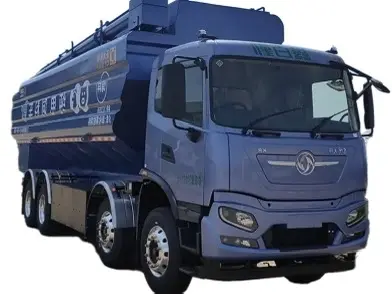
A critical redesign focus is on fully enclosed, leak-proof effluent systems. This involves sealed floors that channel all liquid waste into dedicated, internal holding tanks. These tanks are then safely emptied and sanitized at designated treatment facilities, preventing any environmental shedding of pathogens during transit or at pickup/drop-off locations.
3. Compartmentalization and Zonal Separation
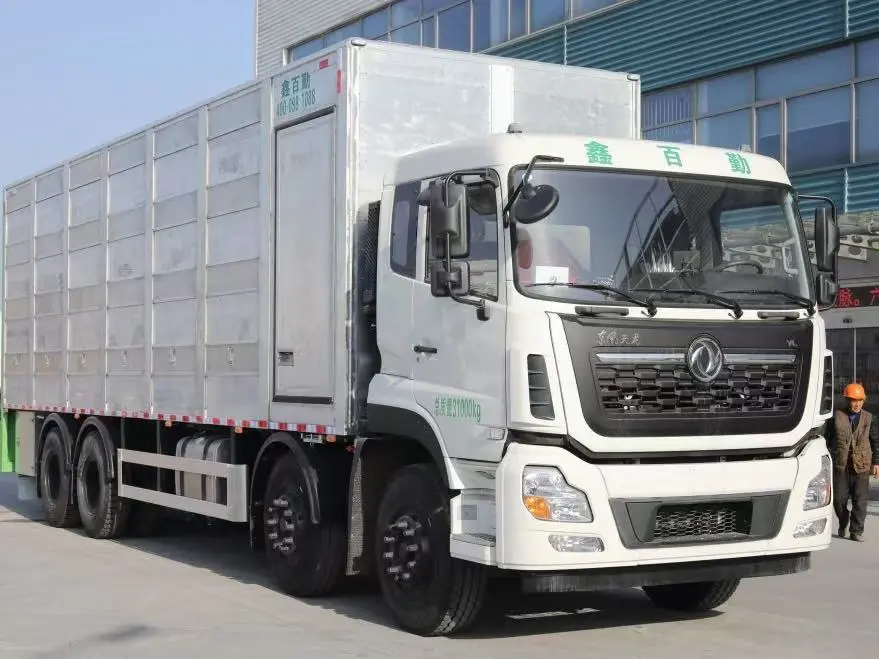
Modern biosecure trailers incorporate solid, sealed dividers to create multiple, isolated compartments. This "firewall" approach limits any disease outbreak to a single section of the load, drastically reducing potential losses. Furthermore, a strict physical and airflow barrier is mandated between the truck's cab (a "clean" zone) and the bird compartment (a "contained" zone), preventing drivers from tracking pathogens.
4. Active Air Filtration and Climate Control
Moving beyond passive vents, advanced trucks now feature climate-controlled cabins with HEPA (High-Efficiency Particulate Air) filtration. These systems can be configured to maintain positive air pressure inside the trailer, preventing contaminated external air from entering. For high-risk situations, negative pressure settings can contain pathogens within the trailer. This controlled environment is a game-changer for preventing airborne transmission.
5. Automated Decontamination and Data Verification
The cleaning process itself is being automated. Integrated Clean-in-Place (CIP) systems—networks of internal spray nozzles—allow for a uniform and thorough application of disinfectant without requiring personnel to enter the trailer. Crucially, these systems are coupled with sensors that log critical data (water temperature, chemical concentration, contact time), providing an auditable, digital record that validates the decontamination cycle was completed to standard.
Conclusion: From Vector to Vanguard
The evidence is clear: continuing to rely on outdated poultry truck designs is an unacceptable risk. The financial and ethical costs of disease outbreaks are too high. The industry must shift its paradigm from managing contamination risk to designing it out of the system entirely.
Redesigning poultry trucks is not merely an engineering challenge; it is a core component of sustainable and responsible animal agriculture. By embracing seamless materials, closed-loop waste systems, intelligent compartmentalization, and active air filtration, we can transform the transport truck from a notorious disease vector into a vanguard of biosecurity. This investment in smarter equipment is, ultimately, an investment in the entire industry's resilience, ensuring its ability to operate safely in a world where disease threats are a constant reality. The future of poultry transport is not just about moving birds, but about protecting them—and the entire supply chain—through intelligent, preventative design.