

A Guide to China’s First Intelligent Pneumatic Conveying Bulk Feed Truck in 2025
Core Components and Intelligent Features of China’s First Intelligent Pneumatic Conveying Bulk Feed Truck
Main Structural Elements
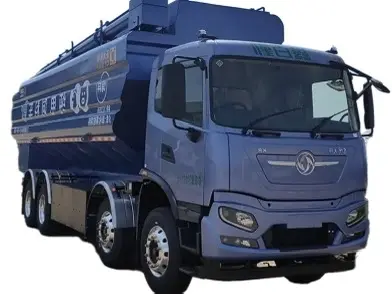
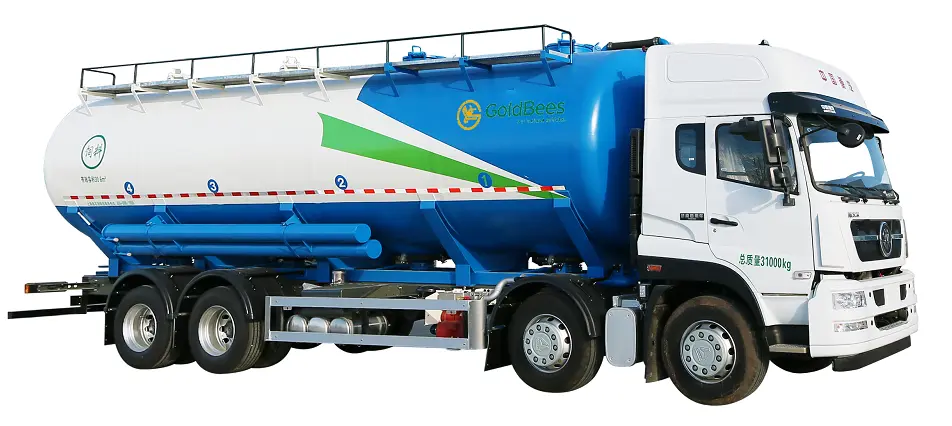
China’s first intelligent pneumatic conveying Bulk Feed Truck uses several important parts to move feed safely. The main body of the truck holds the feed in a large, sealed tank. This tank keeps the feed dry and clean. Strong pipes connect the tank to the unloading system. These pipes help move the feed using air pressure. The truck also has a powerful air compressor. This machine pushes air through the pipes and moves the feed from the tank to the storage area at the farm.
The truck’s frame supports heavy loads and keeps the system stable during transport. Engineers designed the wheels and suspension to handle rough roads and long distances. Each part works together to protect the feed and make sure it arrives in good condition.
Smart Control Systems
The smart control systems in China’s first intelligent pneumatic conveying bulk feed truck help operators work more easily. A touchscreen panel sits inside the driver’s cabin. Operators use this panel to start and stop the feed transfer. The system shows real-time data, such as air pressure and feed levels. If a problem happens, the screen gives a warning right away.
- Sensors check the feed’s weight and quality.
- The system can adjust the air flow to match different types of feed.
- Operators can set the amount of feed to unload at each stop.
These smart controls help save time and reduce mistakes. The truck can also connect to a mobile app, so managers can track deliveries from far away.
Automation and Monitoring Capabilities
Automation makes China’s first intelligent pneumatic conveying bulk feed truck stand out. The truck can load and unload feed with little help from people. Automatic valves open and close at the right time. The system measures how much feed goes in and out. This helps prevent waste and keeps records for each delivery.
A table below shows some key monitoring features:
| Feature | Function | Benefit |
|---|---|---|
| Real-time sensors | Track feed flow and air pressure | Prevents blockages |
| Automatic shut-off | Stops system if a leak is found | Improves safety |
| Data logging | Saves delivery and quality data | Helps with reporting |
Tip: Automated monitoring helps farmers trust that their feed arrives fresh and safe every time.
How China’s First Intelligent Pneumatic Conveying Bulk Feed Truck Works
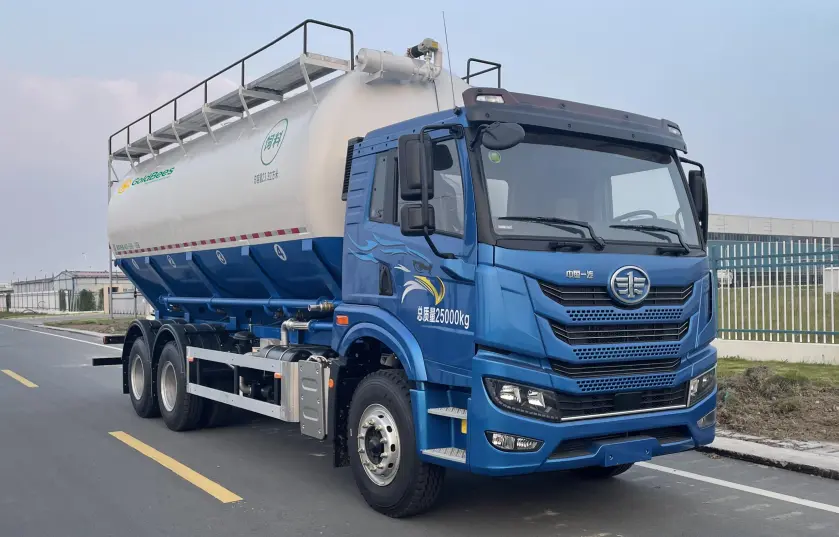
Principle of Pneumatic Conveying
Pneumatic conveying uses air to move materials through pipes. In this system, an air compressor creates strong airflow. The airflow pushes feed pellets or powder from one place to another. The feed travels inside sealed pipes. This method keeps the feed clean and dry.
Engineers designed the system to control air speed and pressure. If the air moves too fast, it can damage the feed. If the air moves too slow, the feed may get stuck. The system uses sensors to check the air pressure and speed at all times. Operators can see these numbers on a screen in the truck’s cabin.
Note: Pneumatic conveying helps prevent feed from spilling or getting wet during transport.
Application in Feed Loading and Unloading
China’s first intelligent pneumatic conveying bulk feed truck uses this technology for both loading and unloading. When the truck arrives at a feed mill, workers connect a hose from the mill to the truck’s tank. The air compressor starts, and the feed moves into the tank through the pipes. The system measures the amount of feed loaded and stops when the tank is full.
At the farm, the process works in reverse. The operator connects a hose from the truck to the farm’s storage bin. The smart control system opens the right valves. The air compressor pushes the feed out of the tank and into the bin. The system tracks how much feed leaves the truck. It can stop the flow automatically when the right amount has been delivered.
A simple list shows the steps for unloading:
- Connect the hose to the storage bin.
- Start the air compressor.
- Open the smart valve.
- Monitor the feed flow on the control panel.
- Stop when the delivery is complete.
This process helps farmers receive the exact amount of feed they need. It also keeps the feed safe from outside dirt or water.
Efficiency and Safety Mechanisms
China’s first intelligent pneumatic conveying bulk feed truck uses several features to improve efficiency and safety. The automation system reduces the need for manual work. Sensors watch for problems like blockages or leaks. If the system finds a problem, it can shut down the air compressor right away.
A table below shows some important safety and efficiency features:
| Feature | Purpose | Benefit |
|---|---|---|
| Automatic shut-off | Stops system during danger | Prevents accidents |
| Real-time monitoring | Checks air and feed flow | Reduces waste |
| Sealed tank and pipes | Keeps feed clean and dry | Improves feed quality |
Operators can see alerts on the control panel if something goes wrong. The truck also keeps records of each delivery. This helps companies track feed quality and solve problems quickly.
Tip: Regular checks and smart sensors help keep the system safe and reliable every day.
Operational Process, Hygiene, and Risk Management
Step-by-Step Operation
Operators follow a clear process when using the intelligent pneumatic conveying bulk feed truck. First, they park the truck near the feed source or storage bin. Next, they connect the hose to the correct inlet or outlet. The operator checks the control panel for system status. After confirming all settings, they start the air compressor. The smart system opens the valves and begins moving the feed. Sensors track the amount of feed transferred. When the delivery reaches the set amount, the system stops automatically. Operators then disconnect the hose and inspect the equipment for any leftover feed or blockages.
Tip: Operators should always check the control panel before and after each operation to ensure smooth performance.
Hygiene and Contamination Control
Maintaining hygiene is a top priority for this truck. The sealed tank and pipes protect the feed from dust, moisture, and pests. Operators clean the hoses and valves after each use. The system uses smooth, food-grade materials that resist bacteria buildup. Regular cleaning schedules help prevent cross-contamination between different feed batches.
A table below shows key hygiene practices:
| Practice | Purpose |
|---|---|
| Hose cleaning | Removes old feed |
| Valve inspection | Prevents residue build-up |
| Tank sanitizing | Keeps feed fresh |
Safety and Risk Management Features
The truck includes several safety features to protect both operators and feed. Real-time sensors detect leaks or blockages. If the system finds a problem, it shuts down the compressor and sends an alert to the control panel. Automatic shut-off valves stop the flow of feed during emergencies. Operators receive training on emergency procedures and regular maintenance.
Note: Safety checks and smart alerts help reduce accidents and keep the feed safe for animals.
China’s first intelligent pneumatic conveying bulk feed truck brings faster delivery, safer handling, and cleaner feed. Operators see fewer mistakes and better results. The feed industry in 2025 gains a reliable tool for modern farms. This technology sets a new standard for quality and efficiency.