




2025 Global Standards for Animal Transport Vehicles: Are You Compliant?
Key Areas of the 2025 Standard Overhaul:
1. Space, Density, and Journey Duration:
The old metrics of stocking density are being refined with greater precision. The new standards mandate not just minimum floor space but also headroom and lying area, specific to species and class of animal. Crucially, these are now directly linked to maximum journey times and mandatory rest, water, and feed periods. For example, long-haul transport of certain livestock over eight hours may now require advanced vehicle systems to provide these necessities en route, or face severe restrictions.
2. Climate Control and Environmental Monitoring:
Static ventilation is no longer sufficient. The 2025 standards increasingly require automated, responsive environmental control systems. Vehicles must be equipped with sensors that continuously monitor and log internal temperature and humidity. For journeys exceeding certain thresholds or in extreme weather, active cooling or heating systems are becoming mandatory. The requirement for data loggers provides authorities with an immutable record of the conditions the animals experienced, making "we didn't know" an invalid defense.
3. Vehicle Design, Access, and Inspection:
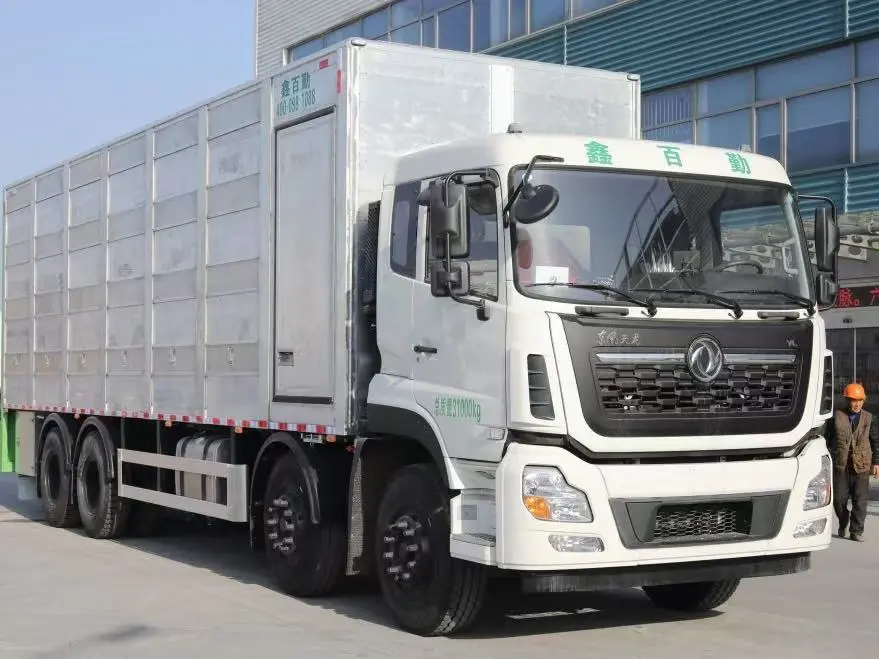
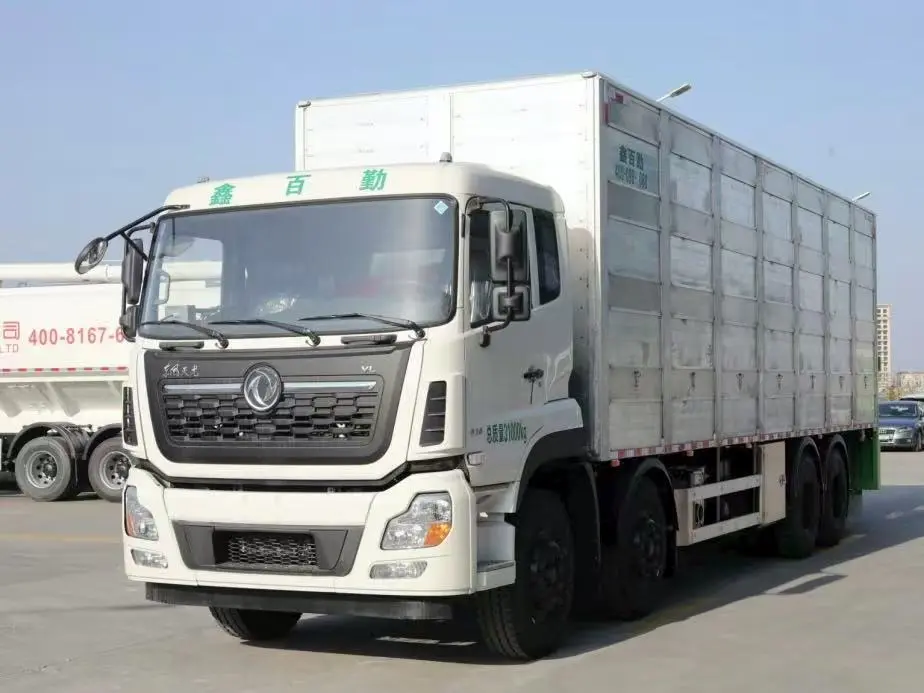
The new regulations target the very architecture of transport vehicles. Key mandates include:
Non-slip flooring: Designed to prevent injuries and allow animals to lie down comfortably without slipping.
Enhanced drainage: Systems must effectively remove waste without leakage and be easy to clean and disinfect.
Unobstructed internal access: Inspectors and handlers must be able to visually inspect and physically access all animals during the journey to assess their welfare. This is leading to designs with fewer internal obstructions and better lighting.
4. Advanced Training and Certification for Personnel:
A vehicle is only as good as its operator. The 2025 standards place a heavy emphasis on mandatory, certified training for drivers and handlers. This goes beyond a driving license to include animal behavior, recognizing signs of distress, fatigue, and heat stress, and understanding the specific operational features of modern welfare-compliant vehicles.
5. The Digital Trail: GPS Tracking and Electronic Documentation:
Traceability and transparency are central. The use of GPS tracking to monitor location, stops, and duration is becoming standard. Furthermore, electronic Animal Transport Certificates (e-ATCs) that integrate journey logs, vehicle conditions, and driver information into a single digital record are being rolled out. This creates a seamless, auditable trail from origin to destination.
The Cost of Non-Compliance: More Than Just a Fine
Failure to adhere is not just a regulatory risk; it's a direct threat to business viability.
Financial Penalties: Fines for violations are increasing dramatically.
Operational Shutdowns: Authorities have the power to impound non-compliant vehicles and suspend operating licenses.
Market Access: Many processors and retailers now require proof of compliance as a condition of purchase. Non-compliance means losing access to premium markets.
Reputational Damage: In an era of conscious consumerism, being associated with animal welfare violations can cause lasting brand damage.
The Path Forward: An Actionable Checklist
To ensure your operation is compliant, consider this checklist:
Conduct a Gap Analysis: Audit your current fleet and procedures against the latest WOAH and destination-market regulations.
Invest in Technology: Prioritize vehicles with integrated climate control, data logging, and GPS telematics.
Upskill Your Team: Enroll drivers in accredited animal handling and welfare courses.
Document Everything: Implement a robust digital system for managing e-ATCs, maintenance logs, and environmental data.
Engage with Manufacturers: Work with equipment suppliers who specialize in welfare-compliant transport solutions and understand the evolving regulatory landscape.
Conclusion: Compliance as a Competitive Advantage
The 2025 global standards for animal transport represent a new era of accountability. While adapting requires investment, forward-thinking operators are viewing compliance not as a burden, but as a strategic opportunity. A modern, welfare-compliant fleet is a marker of a professional, sustainable, and ethical business. It minimizes losses, enhances brand reputation, and ensures uninterrupted market access. In the modern agricultural supply chain, good welfare is good business. The time to prepare is now.