2026 Top Refrigerated Truck Models for Efficient Transport Solutions?
In the fast-paced world of logistics, the importance of reliable refrigeration cannot be overstated. Refrigerated trucks are essential for transporting perishables safely. As we look ahead to 2026, innovation in refrigerated truck models promises to enhance efficiency. These vehicles are becoming increasingly advanced, integrating cutting-edge technology to ensure optimal temperature control.
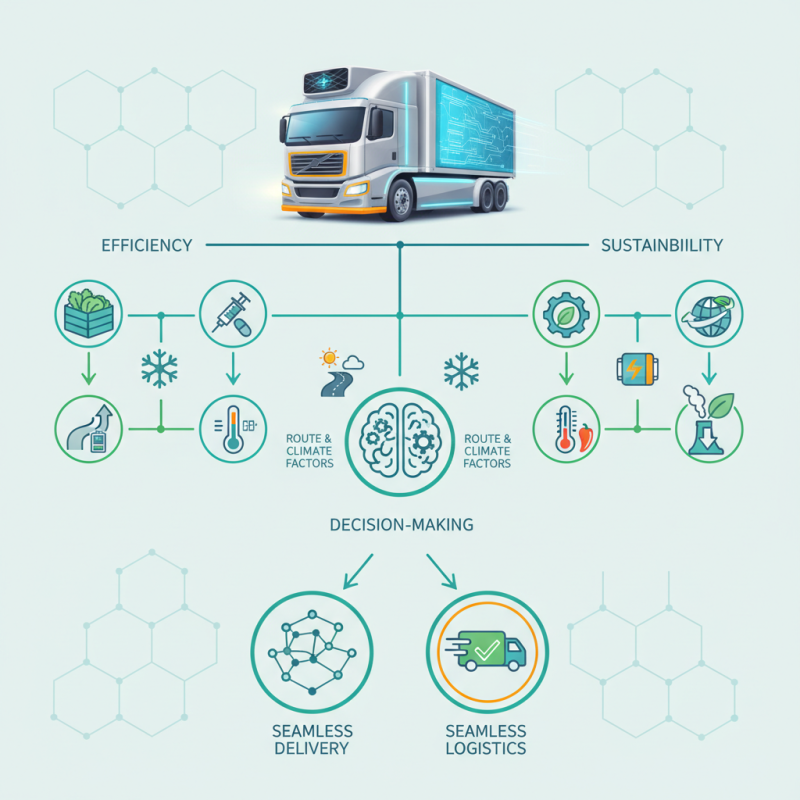
The demand for refrigerated transport is growing. Fresh produce, pharmaceuticals, and frozen goods require constant monitoring. Fleets must adapt to these needs while minimizing their carbon footprint. Some refrigerated truck models now feature eco-friendly engines. This creates a balance between efficiency and sustainability.
However, challenges remain. Ostensibly optimal models might not perform perfectly in all conditions. Factors such as route and climate impact efficiency. Decision-makers must weigh these variables carefully. Investing in the right refrigerated truck model can make a significant difference. In the quest for seamless delivery, reflection on choices is crucial.
Key Features to Consider in Refrigerated Trucks for 2026
When considering refrigerated trucks for 2026, several key features stand out.
Temperature control is essential. Advanced refrigeration systems are crucial for maintaining the right conditions.
These systems should be reliable and energy-efficient. An intuitive monitoring system can help track temperature fluctuations during transport.
Keeping cargo fresh is non-negotiable.
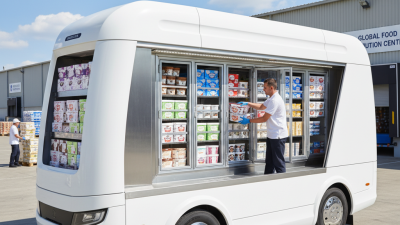
Another important aspect is cargo space. Trucks should have adjustable shelving and proven insulation.
This not only enhances storage efficiency but also protects perishable goods. Lightweight construction materials can improve fuel efficiency without sacrificing durability.
Streamlined designs can aid in maneuverability, especially in urban environments.
Safety features also demand attention. Rearview cameras and parking sensors enhance visibility.
Slip-resistant flooring can prevent accidents during loading and unloading. Maintenance access should be straightforward to encourage routine checks.
Regular upkeep is critical for performance and longevity. Balancing these elements may pose challenges, yet they are essential for effective and safe transport solutions.
Top Manufacturers Leading the Refrigerated Truck Market
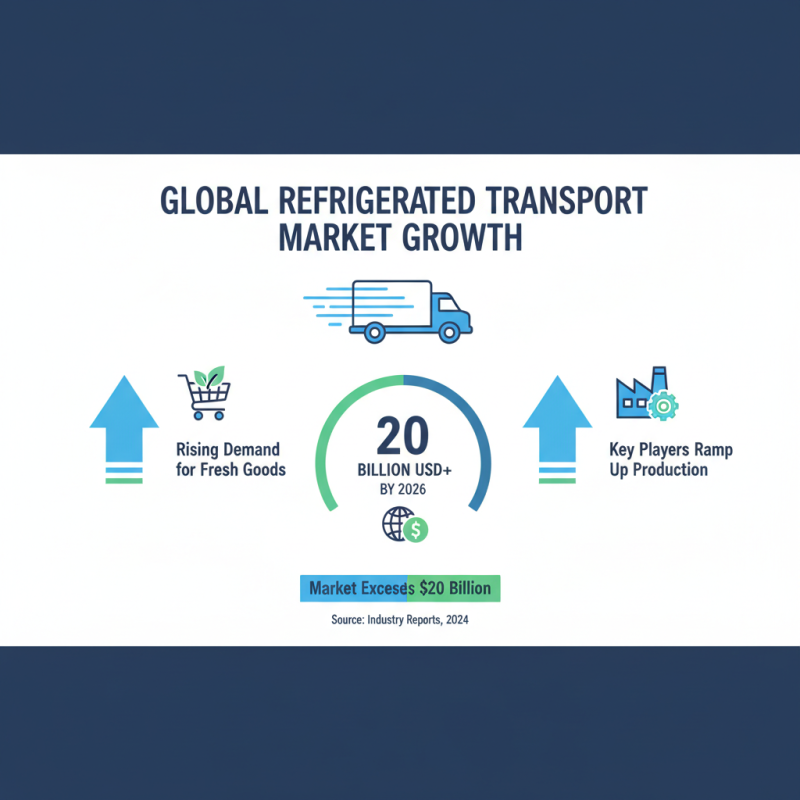
The refrigerated truck market is evolving swiftly, fueled by rising demand for fresh goods. Industry reports indicate that by 2026, the global refrigerated transport market could exceed $20 billion. Key players are ramping up production to meet this surge.
Manufacturers are investing heavily in technology. Advanced insulation materials now enhance energy efficiency, reducing overall operational costs. However, there are challenges. Not all manufacturers maintain consistent quality standards. This inconsistency can lead to inefficiencies and losses in the supply chain.
In addition, regulatory pressures are increasing. Companies must adapt to stricter environmental guidelines. Some struggle to comply, risking penalties and market share. Innovative cooling solutions are necessary. Yet, the balancing act between innovation and affordability remains a significant hurdle. The future of refrigerated transport is bright, but it requires careful navigation of these complexities.
Innovative Technologies in 2026 Refrigerated Truck Models
In 2026, refrigerated trucks are set to revolutionize transport solutions. These vehicles will integrate innovative technologies that enhance efficiency and sustainability. Advanced temperature control systems will ensure that goods remain fresh during transit. Smart sensors will monitor conditions in real-time. This data will help optimize routes and reduce energy consumption.
Electric and hybrid models are gaining popularity. However, challenges remain in terms of battery life and recharge infrastructure. Some trucks may not be able to meet long-distance demands. There is a concern about how well they handle extreme temperatures. The shift to greener options also raises questions about costs. Companies must weigh the benefits against their budgets.
Another exciting feature is automation. Autonomous refrigerated trucks could change the transportation landscape. Yet, the technology is still developing. Safety and reliability must be addressed before widespread adoption. The road ahead is filled with potential, but hurdles remain for manufacturers and users alike.
Comparative Analysis of Efficiency in Refrigerated Transport
The efficiency of refrigerated transport has become a crucial focus for the logistics industry. Recent reports indicate that reefer trucks can reduce spoilage rates by up to 20% compared to traditional transport methods. This efficiency directly contributes to the bottom line of businesses. The right choice of refrigerated truck model can greatly impact energy consumption.
Advanced models now utilize improved insulation materials, which enhance temperature retention, ultimately saving fuel costs.
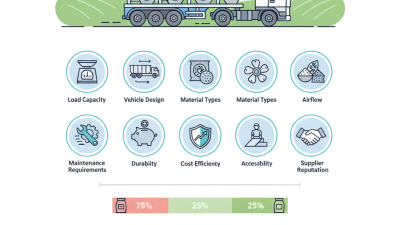
When choosing a refrigerated truck, consider factors such as load capacity and energy efficiency. Selecting a truck with a high energy performance rating can lead to significant savings in operational costs. According to industry studies, trucks with hybrid cooling systems can lower greenhouse gas emissions by 30%. This not only benefits the environment but also aligns with growing consumer preferences for sustainable practices.
Tips: Regular maintenance of the refrigeration unit can prevent performance degradation. Moreover, use insulated containers within the truck to maintain optimal temperature settings during loading and unloading. Be mindful of load distribution; unevenly distributed cargo can cause temperature fluctuation and affect product quality. Understanding these elements can dramatically enhance operational efficiency in refrigerated transport.
Regulatory Standards Impacting Refrigerated Trucks in 2026
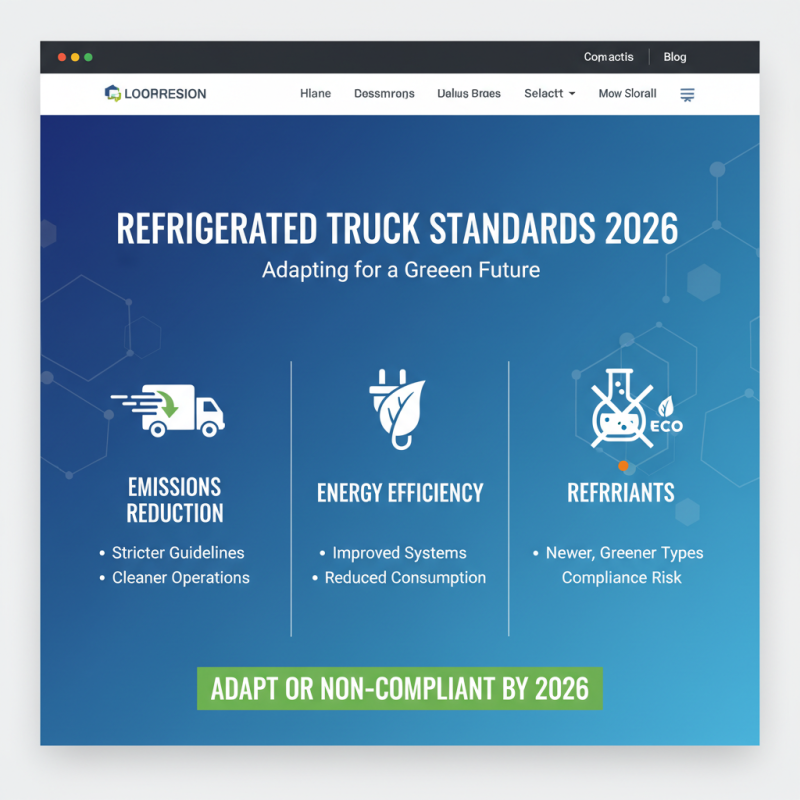
In 2026, regulatory standards for refrigerated trucks are expected to evolve significantly. These standards will focus on emissions reduction and energy efficiency. Truck operators may face stricter guidelines regarding the refrigerants used in their systems. Businesses must adapt quickly, or they risk becoming non-compliant.
Adapting to new rules isn't easy. Many companies might struggle to update their fleets. Older models may not meet the new regulations. This gap can lead to increased costs and logistical challenges. Additionally, maintaining compliance with safety standards adds another layer of complexity. Understanding these regulations can be quite daunting for smaller operators.
The push for greener technologies is also influencing design trends. Innovations in insulation and cooling systems are emerging. These advancements aim to minimize energy usage. However, manufacturers will need to balance compliance with affordability. Finding cost-effective solutions is a challenge that cannot be overlooked. The regulatory landscape will drive significant changes in the industry, and it's crucial to stay informed. Adaptation, while necessary, will require careful planning and investment.