Top 10 Poultry Transport Vehicles for Efficient Livestock Transportation?
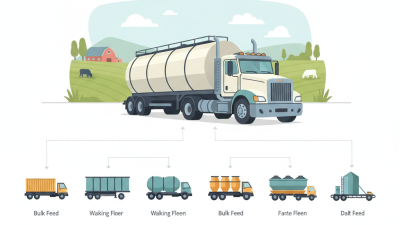
Transportation plays a vital role in the poultry industry. A reliable Poultry Transport Vehicle is essential for maintaining the health and well-being of livestock. These vehicles need to ensure that birds are transported safely and efficiently from farms to markets.
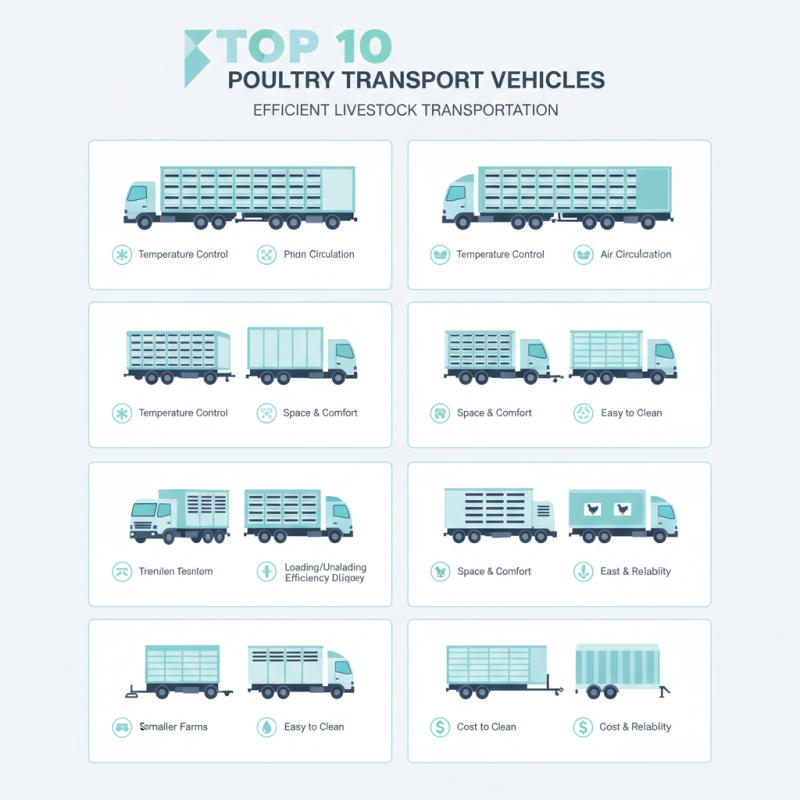
Choosing the right Poultry Transport Vehicle can be challenging. Factors such as temperature control, air circulation, and space must be considered. Inadequate ventilation can lead to stress or even death in birds. The design of the vehicle impacts loading and unloading efficiency, which matters in time-sensitive situations.
A good transport vehicle should also be easy to clean. Bacteria and disease spread quickly in poultry. If not properly managed, these issues could result in significant losses. Reflecting on the choices available is crucial. Not all vehicles meet the industry's demands. The cost varies widely, and the potential for failure must not be ignored.
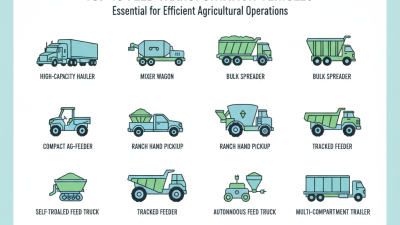
Top 10 Poultry Transport Vehicles for Efficient Livestock Transportation
Efficient transportation of poultry is crucial. Research shows that up to 25% of livestock losses occur during transport. Choosing the right vehicle can significantly reduce these losses. Many farmers overlook vehicle features that enhance animal welfare. Proper ventilation, for instance, is essential to minimize stress.
The ideal transport vehicle should provide adequate space, preventing overcrowding. Research indicates that overcrowding can lead to increased mortality rates. It's vital to ensure each bird can stand comfortably. Temperature regulation is another critical factor. Vehicles that maintain optimal temperatures can prevent heat stress.
However, not all transport solutions are perfect. Some vehicles may lack the necessary insulation. This can lead to fatal temperature fluctuations. Regular inspections and maintenance are essential for performance. Selecting a vehicle based on cost alone may lead to long-term issues. Therefore, investing in quality transport options is a sound strategy for any poultry operation.
Importance of Efficient Poultry Transport in the Livestock Industry
Efficient poultry transport is crucial in the livestock industry. It impacts the quality and health of the animals. Proper transport reduces stress, which can directly affect meat quality. Stress can lead to illness and lower productivity, costing farmers significantly in the long run.
Choosing the right vehicle can enhance efficiency. Many factors contribute to effective transport. The design of the vehicle plays a major role. It should ensure proper ventilation, temperature control, and space. Crowded conditions can cause distress among poultry. Regular checks and maintenance of transport vehicles are essential. Neglect in these areas can lead to unforeseen problems and animal welfare concerns.
Additionally, training for personnel is often overlooked. Well-informed drivers can recognize signs of stress in animals. Their understanding can improve transport outcomes. Efficient planning is another critical area. Routes should be optimized to minimize travel time. But, this requires reflection on current practices. Continuous improvement in poultry transport can lead to better animal welfare and profitability.
Top 10 Poultry Transport Vehicles for Efficient Livestock Transportation
Key Features of Poultry Transport Vehicles to Consider for Optimal Efficiency
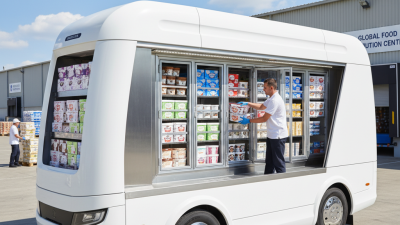
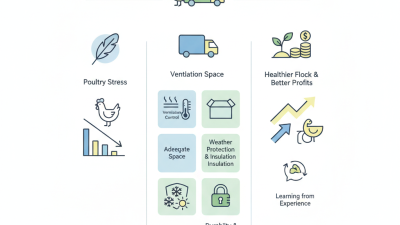
When choosing poultry transport vehicles, several key features are essential for optimal efficiency. First, consider temperature control. Proper ventilation is crucial for keeping birds comfortable. Extreme temperatures can affect their health and productivity. Ensure that the vehicle has a reliable cooling and heating system.
Next, look at space and layout. The design should allow for easy loading and unloading of birds. A cramped space can stress the animals, leading to injuries. Protecting the livestock during transport should be a priority. Also, ensure that the floors are non-slip to prevent accidents.
**Tip**: Regular checks on the vehicle can help identify issues early. Safety measures must not be overlooked. Think about how loading ramps are designed. Poorly constructed ramps can pose risks for both the birds and the handlers.
The material quality of the vehicle matters. It should be durable yet lightweight to enhance fuel efficiency. Cars with insulating materials can help maintain a consistent temperature. Consider these details carefully, as they can make a significant impact on your transportation efficiency.
**Tip**: Keep the vehicle clean and well-maintained. Neglecting cleanliness can lead to disease spread. Each transport should be followed by thorough inspections.
Top 10 Poultry Transport Vehicles for Efficient Livestock Transportation
| Vehicle Type |
Capacity (units) |
Loading Efficiency |
Temperature Control |
Durability |
Fuel Efficiency |
| Refrigerated Truck |
500 |
High |
Yes |
High |
Moderate |
| Livestock Trailer |
300 |
Medium |
No |
Moderate |
High |
| Van Truck |
200 |
High |
Yes |
Medium |
Moderate |
| Flatbed Truck |
400 |
Low |
No |
High |
High |
| Enclosed Trailer |
350 |
Medium |
Yes |
High |
Low |
| Tanker Truck |
450 |
High |
Yes |
Medium |
Moderate |
| Biosecurity Vehicle |
250 |
High |
Yes |
High |
High |
| Utility Bus |
600 |
Low |
No |
Moderate |
Moderate |
| Compact Pickup |
150 |
Medium |
No |
Low |
High |
| Cargo Van |
350 |
High |
Yes |
Medium |
Moderate |
Top-Selling Poultry Transport Models and Their Performance Metrics in 2023
Finding the right transport vehicle for poultry is crucial in 2023. The market offers a variety of models designed for efficiency and optimized for poultry safety. Key performance metrics often include load capacity, fuel efficiency, and adaptability for climate conditions. Many vehicles now come with temperature control systems which help ensure the well-being of the livestock.
When selecting a poultry transport vehicle, consider these tips: Always inspect the vehicle’s loading and unloading mechanisms. They should minimize stress on the birds. Check the ventilation systems too. Overheating or poor airflow can lead to losses. Assess the maintenance needs as well. Regular upkeep can greatly impact performance.
Another important aspect is the vehicle's design. Look for features that enhance biosecurity. This can prevent disease spread among your flock. It's worth noting that not all vehicles perform well in real-world conditions. Some might look good on paper but fail in field tests. Be sure to gather user reviews and testimonials to gauge real-life efficiency.
Impact of Regulatory Standards on Poultry Transport Vehicle Design and Safety
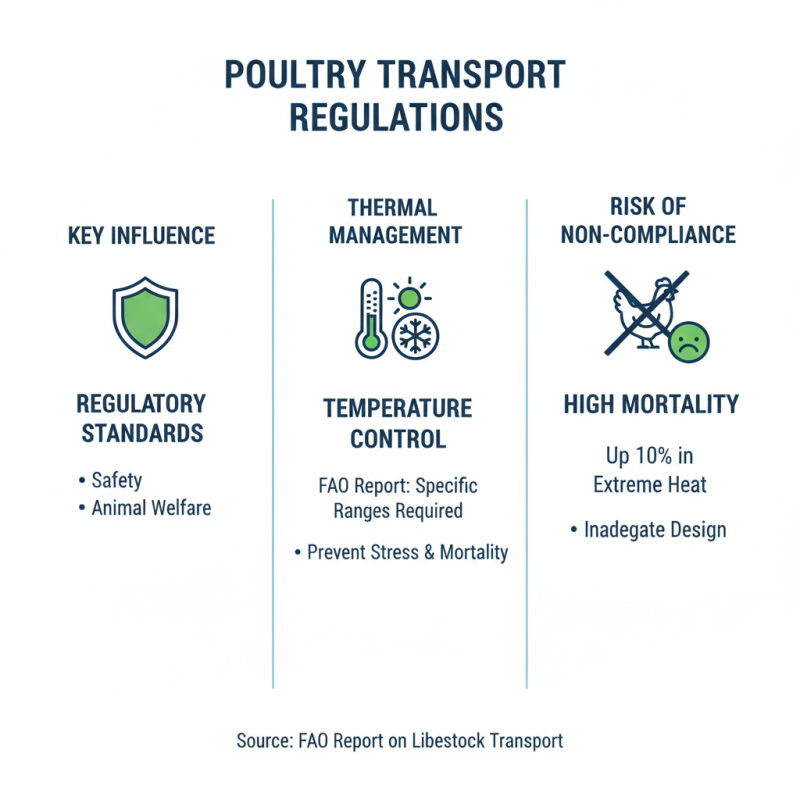
The design of poultry transport vehicles is heavily influenced by regulatory standards. These regulations ensure the safety and welfare of livestock during transportation. For instance, a report by the Food and Agriculture Organization highlights that compliant vehicles must maintain specific temperature ranges. Inadequate thermal management can stress poultry, leading to mortality rates as high as 10% in extreme conditions.
Drivers play a crucial role in adhering to safety protocols. They must be trained to recognize signs of distress in animals. This knowledge can significantly decrease injury rates during transit. Regular inspections of vehicles can also prevent safety failures. However, not every operator follows guidelines, reflecting a gap in the industry's commitment to best practices.
Tips: Regular training sessions for drivers can improve understanding of safety standards. Implement a checklist for vehicle inspections before each trip. It can catch potential issues early. Remember, investing in regulatory-compliant designs is not just about following the law; it reflects on the overall quality of transport. Increasing awareness of these standards is essential for reducing livestock losses.
Conclusion
Efficient poultry transport is crucial in the livestock industry, ensuring the timely and safe delivery of livestock. The article discusses the top 10 poultry transport vehicles designed to optimize this process, highlighting their key features such as insulation, ventilation, and capacity management. These vehicles are not only essential for maintaining the health and welfare of the animals but also play a significant role in enhancing operational efficiency.
Moreover, the discussion includes the impact of regulatory standards on the design and safety of poultry transport vehicles, ensuring compliance while promoting animal welfare. Additionally, innovative technologies are reshaping poultry transport, introducing solutions that streamline operations and improve conditions for the livestock during transit. By understanding these aspects, stakeholders can make informed decisions when selecting or upgrading their poultry transport vehicles for optimal performance in 2023.