Top 10 Feed Transportation Vehicles You Need to Know?
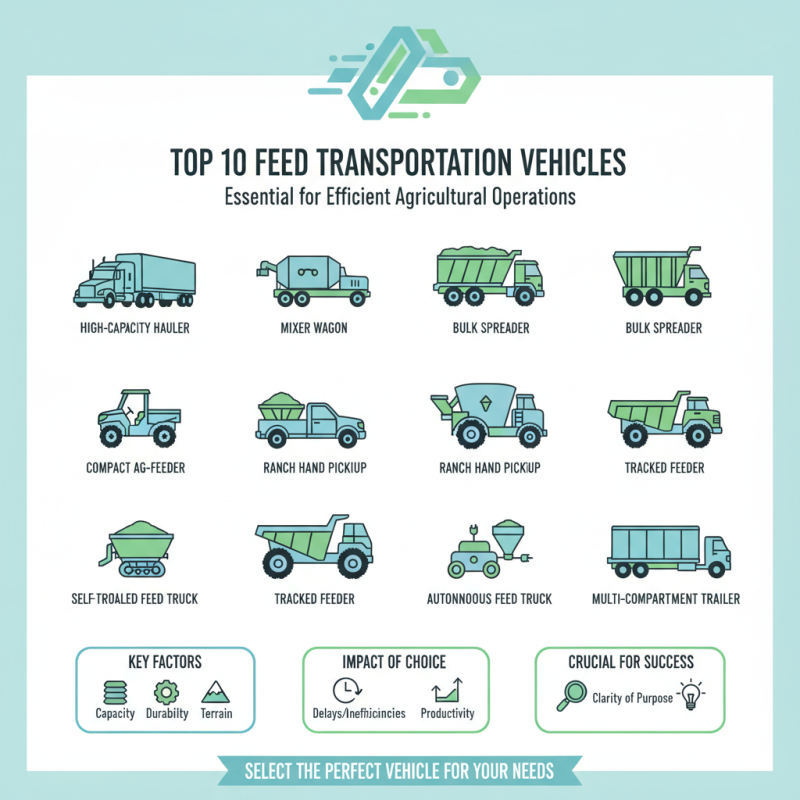
In the agricultural industry, the right Feed Transportation Vehicle is essential for efficient operations. These vehicles play a critical role in transporting feed to livestock. Understanding the top models available can significantly enhance productivity.
Choosing a Feed Transportation Vehicle is not just about speed. It involves considering capacity, durability, and terrain compatibility. Each vehicle is designed with specific features that cater to different needs. For example, some vehicles offer enhanced maneuverability for tight spaces, while others focus on carrying heavier loads.
However, with so many options, selecting the perfect vehicle can be overwhelming. What's most important? The clarity of purpose and understanding your unique requirements matter. A poorly chosen vehicle can lead to delays and inefficiencies. Therefore, taking the time to evaluate your options is crucial for long-term success in feed transportation.
Overview of Feed Transportation Vehicles
When it comes to transporting animal feed, choosing the right vehicle is crucial. Various vehicles cater to specific needs, from bulk transporters to specialized trucks. These vehicles ensure feed reaches its destination efficiently and safely.
Tip: Assess your volume needs. Different vehicles have varying capacities and can handle diverse loads. Make sure to match your vehicle choice to your specific requirements to avoid wasteful trips.
Many feed transportation vehicles come equipped with advanced features. For example, some have temperature control to maintain feed quality. Others include hydraulic loaders for easy unloading. However, not every vehicle performs well in all conditions. It's essential to consider the terrain and distance when selecting a vehicle.
Tip: Regular maintenance checks are vital for optimal performance. This step can prevent breakdowns and ensure your feed arrives in top condition. A neglected vehicle may lead to delays and impact overall productivity. Always keep an eye on wear and tear.
Top 10 Feed Transportation Vehicles You Need to Know
| Vehicle Type |
Capacity (Ton) |
Fuel Type |
Typical Use |
Average Speed (km/h) |
| Bulk Feed Truck |
25 |
Diesel |
Transportation of bulk feed |
80 |
| Feed Delivery Van |
10 |
Gasoline |
Local deliveries |
60 |
| Forklift |
3 |
Electric |
Loading and unloading |
10 |
| Tanker Truck |
30 |
Diesel |
Liquid feed transport |
70 |
| Pneumatic Trailer |
20 |
Diesel |
Transporting powdered feed |
75 |
| Feed Mixer Truck |
15 |
Diesel |
Mixing and transporting |
65 |
| Animal Feed Conveyor |
Varies |
Electric |
Conveying feed |
Variable |
| Mobile Feed Batcher |
12 |
Diesel |
Batching and transport |
50 |
| Straight Truck |
20 |
Gasoline |
General transport |
70 |
| Flatbed Truck |
18 |
Diesel |
Flat load transport |
65 |
Types of Feed Transportation Vehicles for Various Needs
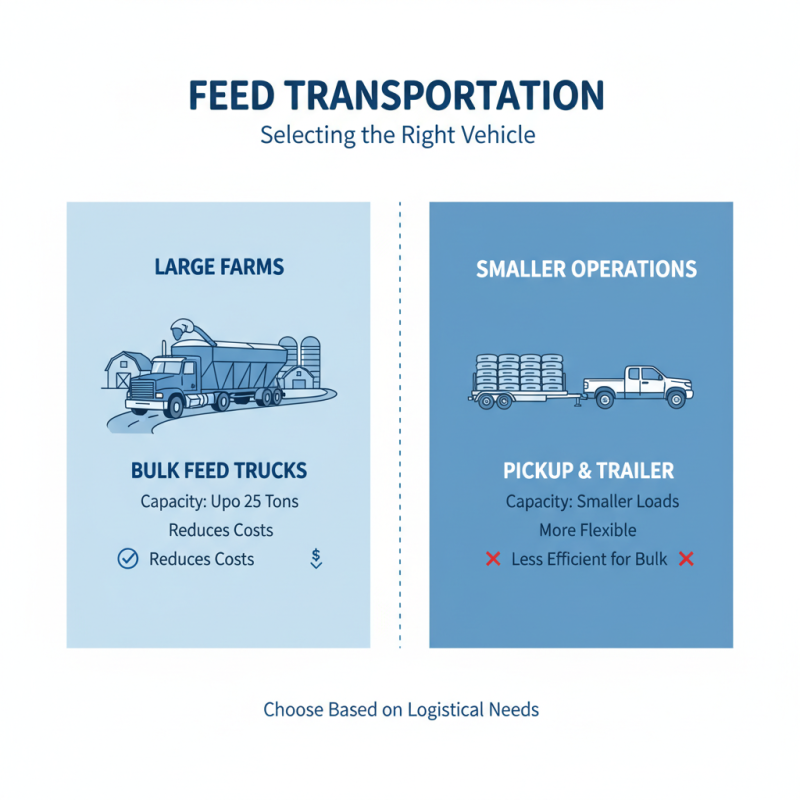
When it comes to feed transportation, selecting the right vehicle is essential. Different types meet various logistical needs. For large farms, bulk feed trucks are common. These trucks can carry up to 25 tons of feed. They help in reducing transportation costs significantly. However, they can be inefficient in smaller operations.
Tippers offer versatility and convenience. With their ability to unload quickly, farmers can optimize operations. According to industry reports, over 40% of farms prefer tippers for their quick timing. However, they may not provide the capacity needed for larger deliveries. Understanding this limitation is crucial for any operation.
Specialized trailers are another option. These trailers are designed for specific feed types. Some protect the feed from moisture, while others allow for climate control. However, the investment can be hefty. Data shows that approximately 30% of farms struggle with the high initial costs of such vehicles. This poses a challenge for smaller businesses seeking efficiency and quality.
Key Features to Consider When Choosing Feed Transportation Vehicles
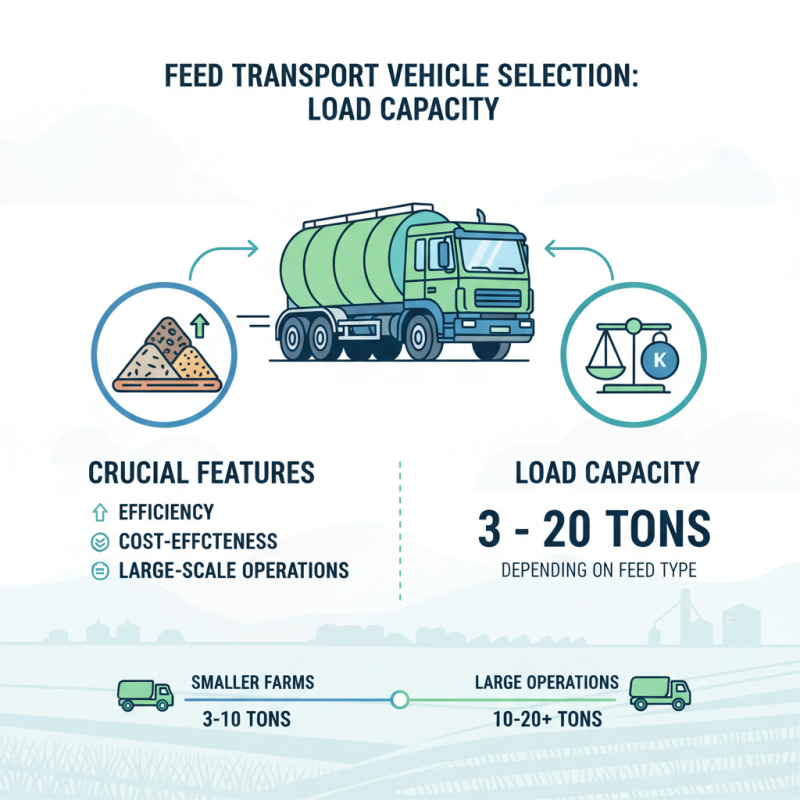
When selecting feed transportation vehicles, several key features are crucial. Load capacity is one of them. It directly impacts efficiency and cost-effectiveness. A vehicle must handle heavy loads, especially in large-scale operations. According to industry reports, the ideal load capacity can range anywhere from 3 to 20 tons, depending on the type of feed.
Another significant consideration is fuel efficiency. With rising fuel costs, choosing vehicles that maximize mileage is vital. Reports indicate that efficient vehicles can save operators over 15% in fuel costs annually. This impacts not only the bottom line but also reduces the carbon footprint of operations.
Tips: Assess your route types too. Different terrains require different vehicles. Such details can affect overall performance. Remember to check maintenance costs as well. Vehicles with high maintenance requirements can erode savings quickly. Many overlook this aspect, leading to unexpected expenses. Choose wisely to ensure long-term satisfaction.
Top Brands and Models in Feed Transportation Vehicles Market
When it comes to feed transportation vehicles, knowing the top brands and models is crucial. Various types of vehicles cater to different needs. For instance, trucks designed for bulk feed are often equipped with specialized containers. These vehicles ensure minimal spillage and preserve feed quality. It's important to consider the vehicle's capacity too. Sometimes, a larger vehicle might seem appealing, but it can lead to inefficiencies on smaller farms.
Another essential factor is the vehicle's mobility and ease of use. Some models are agile, making them suitable for tight farm layouts. Others may be more robust but less maneuverable. Potential buyers should reflect on their actual usage requirements. Price points vary, impacting overall maintenance costs. While premium models often promise more reliability, budget-friendly options may serve smaller operations well. The decision should align with long-term goals on feed delivery and overall farm productivity.
Top 10 Feed Transportation Vehicles
Safety and Maintenance Tips for Feed Transportation Vehicles
When dealing with feed transportation, safety is paramount. Proper maintenance of vehicles is crucial to ensure they operate smoothly. Regular checks can help identify issues early on. Inspect brakes, tires, and other critical components frequently. A worn tire can lead to accidents.
Drivers should also be trained in safety protocols. Awareness of load distribution is key. Overloading a vehicle can affect its handling. Make sure the load is balanced for better stability. It helps prevent damage to both the cargo and the vehicle.
Weather conditions can impact safety significantly. Rain or snow can create slippery roads. Adjust driving habits accordingly, slowing down and increasing following distances. Always carry emergency supplies. A breakdown can happen at the worst moment. Remember to do a final walkaround before departing, checking for any visible issues. Small actions lead to improved safety.