2026 Top Chicken Equipment Innovations for Modern Farming?
In the rapidly evolving world of modern farming, novel Chicken Equipment innovations are reshaping the industry. Farmers are consistently searching for efficient tools and technologies that enhance productivity.
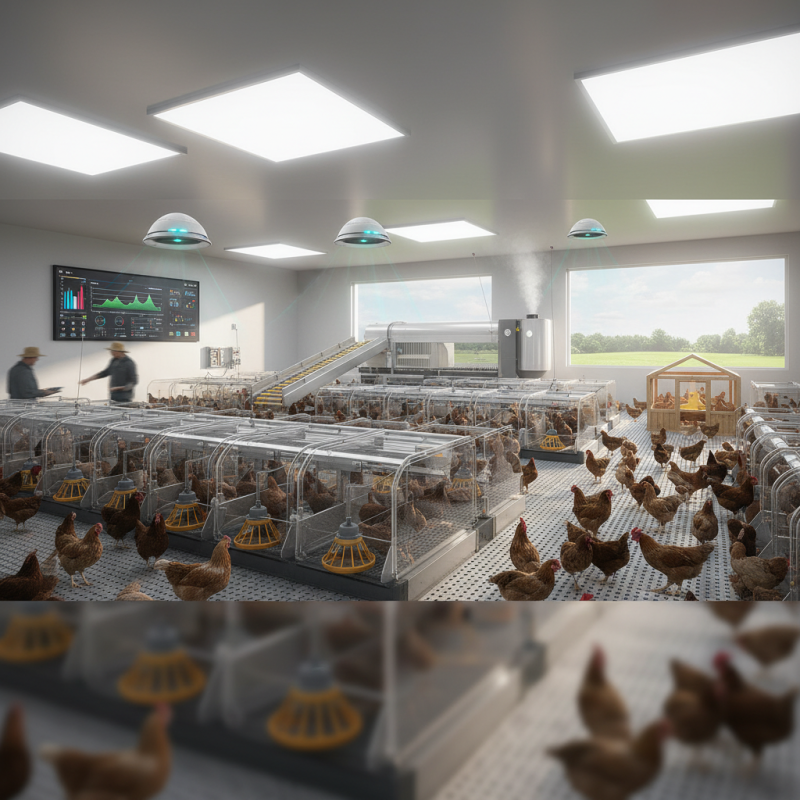
The 2026 advancements introduce remarkable solutions that promise to transform poultry farming practices. Enhanced feeding systems, automated health monitoring devices, and efficient waste management tools are just a few examples. These innovations focus on sustainability while maximizing output.
However, as the demand for efficiency grows, it is crucial to reflect on potential downsides. Not all innovations may fit every farm size. Small-scale operations might struggle with large systems that are not cost-effective. Some technologies could also require training for proper use. A balance between modern technologies and traditional practices may be necessary for the best results.
Emerging Technologies in Chicken Farming for 2026
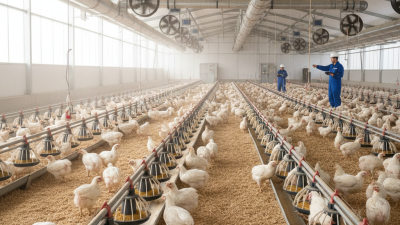
The world of chicken farming is evolving quickly with new technologies. In 2026, farmers are expected to embrace advanced tools that enhance efficiency and animal welfare. Automatic feeders are becoming popular, reducing labor costs. These devices ensure chickens receive the right amount of food at regular intervals. It’s fascinating, but we should question their reliance on technology.
Smart monitoring systems are another innovation. Farmers can track bird health through sensors and AI. These systems analyze behavior and detect issues early. However, reliance on data raises concerns about human oversight. What if technology fails? The critical human touch might be lost amidst automation.
Lastly, sustainable farming practices are emerging. Many are exploring vertical farming methods for chickens. These systems can save space and reduce waste. Yet, they come with challenges like initial costs and learning curves. Balancing innovation with tradition is complex. How do we innovate without compromising animal welfare or farm authenticity?
2026 Top Chicken Equipment Innovations for Modern Farming
| Innovation Type |
Description |
Expected Impact |
Implementation Year |
| Automated Feeding Systems |
Smart feeders that adjust the amount of feed based on flock size and age. |
Increased feed efficiency, reduced waste. |
2026 |
| Climate Control Systems |
Advanced HVAC systems that optimize air quality and temperature in poultry houses. |
Improved bird health and productivity. |
2025 |
| Health Monitoring Devices |
Wearable sensors that track nutrient intake and health metrics in chickens. |
Early detection of diseases, better flock management. |
2026 |
| Egg Production Analytics |
Data analytics platforms that optimize egg production and traceability. |
Increased yield and better market targeting. |
2026 |
| Manure Management Solutions |
Innovative systems for efficient waste reduction and recycling. |
Sustainability improvements and reduced environmental impact. |
2026 |
Automated Feeding Systems: Enhancing Efficiency and Growth
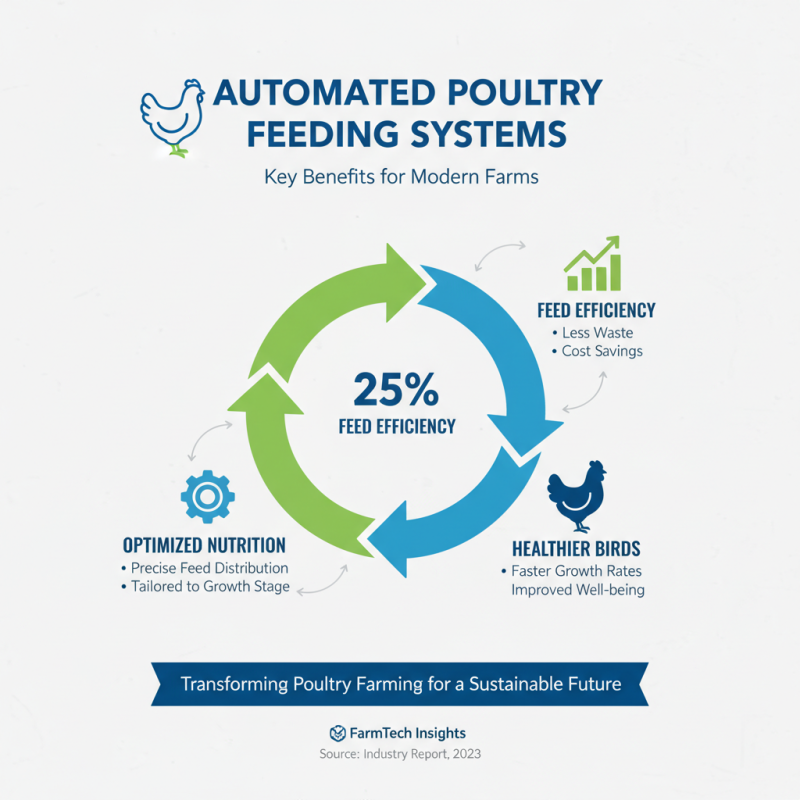
Automated feeding systems are transforming poultry farming. These advanced systems optimize feed distribution, ensuring chickens receive the right amount of nutrients. According to a recent industry report, farms using automated systems can enhance feed efficiency by up to 25%. This improvement leads to faster growth rates and healthier birds.
Efficiency is crucial in modern farming. However, implementing automated systems is not without challenges. Some farmers face initial high costs and require training to adapt. A survey highlighted that 38% of farmers reported difficulties in integrating new technologies. This reflects a need for ongoing education in the industry.
Despite these hurdles, the benefits are clear. Automation not only saves time but also minimizes human error in feeding. This precision can improve overall farm productivity significantly. Recent data suggests that well-implemented systems can lead to a 15% increase in average weight gain over traditional methods. As technology evolves, the future of poultry farming looks to be more efficient, yet it requires careful consideration and adaptation.
Smart Climate Control Solutions for Optimal Chicken Health
Modern farming requires
innovative solutions for chicken health. Smart climate control systems are crucial for
optimal living conditions. These systems monitor temperature, humidity, and
air quality. When conditions change, they automatically adjust. This helps maintain
a stable environment for chickens.
However, not all systems are perfect. Some farmers may struggle to interpret data from
these technologies. They might miss signals indicating a problem.
Regular training is vital for staff. Understanding the technology ensures better
animal welfare.
Moreover, temperature extremes can still pose challenges. In hot weather, chickens may
suffer from heat stress.
Systems must be able to handle these fluctuations efficiently. Continuous improvements
are necessary. Monitoring should be real-time, allowing quick responses to changing
conditions. This balance between technology and human oversight is essential for a
thriving poultry operation.
Innovative Waste Management Practices in Poultry Operations
Innovative waste management practices are transforming poultry operations. Traditional methods often lead to inefficiencies.
New technologies are emerging to handle waste more sustainably. For instance,
anaerobic digestion is gaining traction. This method converts organic waste into biogas. Farmers can use the biogas for energy.
The leftover digestate can enrich soil health.
However, implementing these practices is not without challenges. Initial investment costs can be significant.
Some farmers struggle to adapt to new systems. Training and knowledge gaps create additional hurdles. Lack of infrastructure in certain areas further complicates matters.
Regular monitoring and evaluation of these systems are necessary.
Additionally, some technologies may not work for all operations. Each farm has unique needs and conditions.
Understanding local regulations can be daunting.
As farmers explore these innovations, they must remain open to feedback.
The journey toward efficient waste management requires continual learning and adaptation.
Advanced Health Monitoring Tools for Disease Prevention in Chickens
The poultry industry is rapidly evolving, with a focus on more effective health monitoring tools. Advanced technologies are becoming crucial for farmers. These tools can help prevent disease outbreaks in flocks. Many devices now track vital signs and behaviors in chickens. For instance, temperature and activity levels can alert farmers to potential health issues.
Data analytics play a significant role in these innovations. They can predict disease trends and inform proactive measures. Farmers can view real-time data on their mobile devices. This connectivity helps them respond swiftly to any anomalies. However, not all data is accurate. Sometimes, false alarms can disrupt farming routines and cause unnecessary stress.
Investing in health monitoring tools requires careful thought. Farmers must evaluate the effectiveness of these technologies. While the potential is immense, there are challenges in integration. Training is often needed for farm staff. The learning curve can be steep, and not all adaptations are straightforward. Balancing innovation with practical implementation remains a key concern for modern poultry farming.
2026 Innovations in Chicken Health Monitoring Tools