What is Livestock Equipment and How Does It Benefit Farmers?
Livestock Equipment is an essential component in modern agriculture. It encompasses a range of tools and machinery that aid farmers in managing livestock efficiently. According to a recent report from the American Society of Agricultural and Biological Engineers, the livestock equipment market is projected to reach $10 billion by 2025. This growth reflects the increasing need for innovation in livestock management.
Expert John Smith, a renowned figure in agricultural engineering, stated, “Investing in high-quality Livestock Equipment can significantly improve the productivity of farmers.” Such equipment includes feeders, waterers, and handling systems that optimize both animal welfare and farm management. Farmers who utilize effective livestock gear report increased yields and healthier livestock.
Yet, the industry faces challenges. Many farmers struggle to keep up with technological advancements. A survey by the Farm Equipment Manufacturers Association revealed that nearly 30% of farmers feel overwhelmed by new equipment options. Thus, understanding Livestock Equipment isn't just about using it; it's about continuous learning and adapting to new practices.
What is Livestock Equipment?
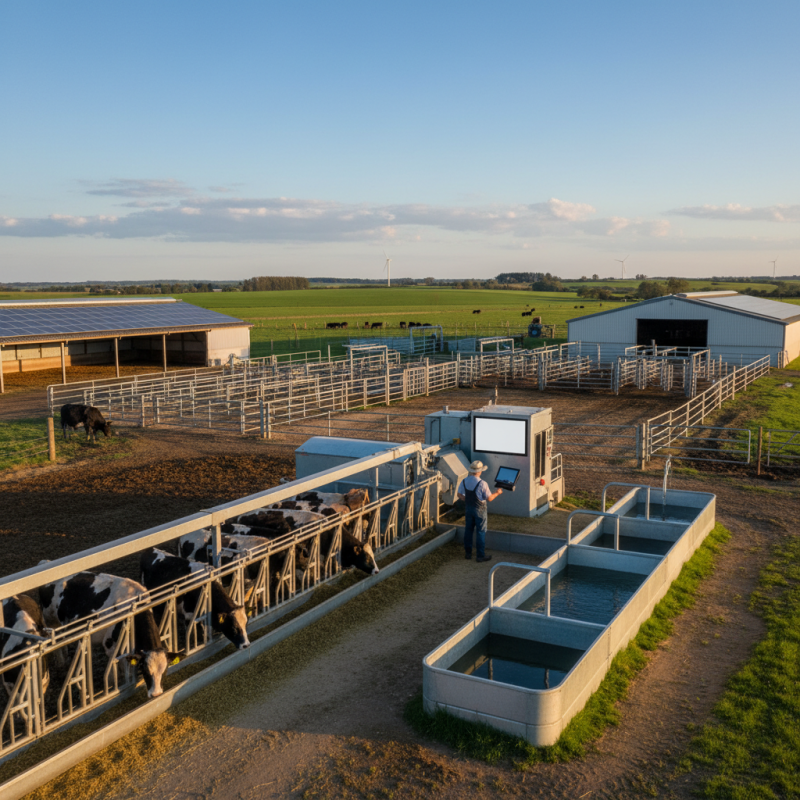
Livestock equipment refers to various tools and machines designed to assist farmers in managing their animals. This includes feed troughs, waterers, and shelters. Each piece plays a vital role in daily farm operations. Proper equipment ensures that livestock have access to food and water. Additionally, it provides a safe and comfortable living environment.
Many farmers face challenges with livestock management. Equipment malfunctions can lead to stress among animals. A broken waterer, for instance, can cause dehydration. This highlights the importance of regular maintenance. Furthermore, not all farms use advanced equipment, limiting efficiency and productivity. Investing in quality tools can improve animal health and farm profitability.
Farmers often juggle multiple tasks. Relying on outdated equipment can complicate their work. For example, using hand tools for feeding can be time-consuming. Some may wonder if newer technology is worth the cost. Balancing tradition and innovation is essential. Exploring livestock equipment options can lead to better outcomes for both animals and farmers.
What is Livestock Equipment and How Does It Benefit Farmers?
| Equipment Type |
Description |
Benefits |
Typical Use |
| Livestock Feeders |
Equipment designed to hold and dispense feed for animals. |
Reduces waste, ensures a consistent feed supply, and improves animal nutrition. |
Cattle, Sheep, Goats |
| Water Troughs |
Containers that provide water for livestock. |
Ensures constant access to fresh water, promoting health and productivity. |
All types of livestock |
| Fencing |
Barriers that keep livestock in designated areas. |
Prevents livestock from wandering and protects them from predators. |
Pastures, feeding areas |
| Chutes and Pens |
Containment systems for safely handling livestock during various procedures. |
Facilitates safe animal handling and reduces stress for both animals and handlers. |
Veterinary care, vaccinations, shearing |
| Livestock Trailers |
Vehicles designed to transport livestock safely. |
Facilitates transportation to markets, fairs, or veterinary services. |
Transportation |
Types of Livestock Equipment Used in Farming
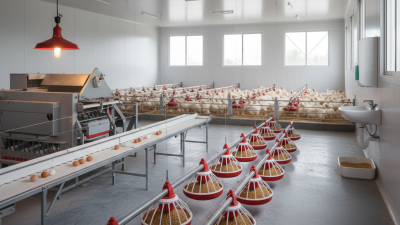
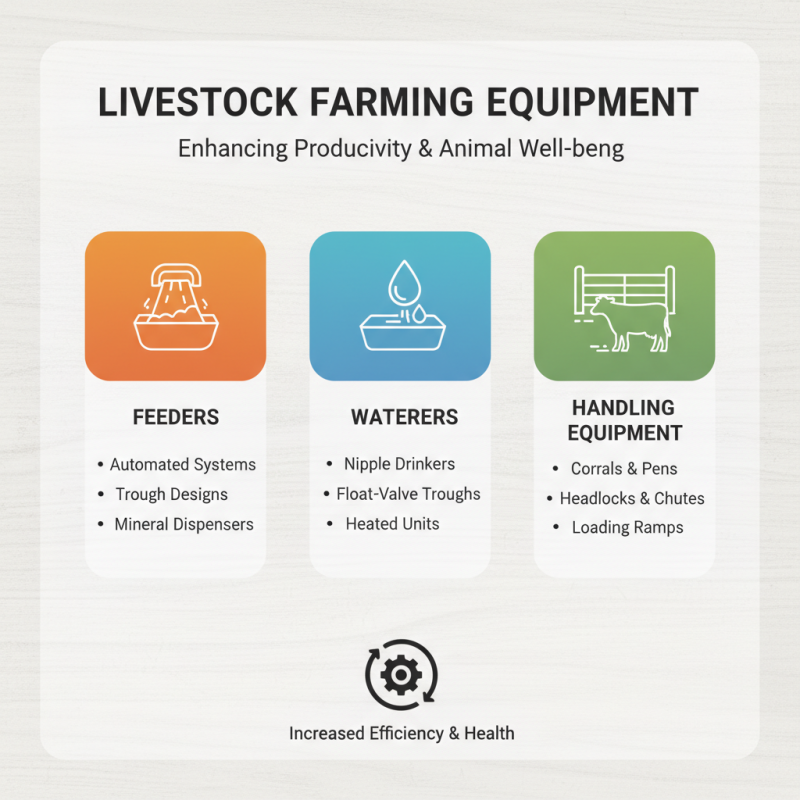
When it comes to livestock farming, equipment plays a vital role. Various tools cater to the specific needs of farmers. Feeders, waterers, and handling equipment are common examples. Each piece serves a unique function, enhancing productivity and animal well-being.
Feeders come in many designs. Some are automatic, delivering food without manual effort. Farmers can save time and reduce waste with these devices. Waterers work similarly. They ensure livestock always have access to clean water. This constant supply promotes better health and growth.
Here’s a tip: Regular maintenance of your equipment is crucial. A small issue can lead to bigger problems and unexpected costs. Check feeders and waterers weekly for clogs or damage. Pay attention to handling equipment too. Sometimes, equipment breaks after extensive use, especially during busy seasons.
Investing in quality livestock equipment pays off in the long run. But remember, not all tools are necessary. Farmers should assess their specific needs to avoid unnecessary spending. Equipment purchases should align with the size and type of the farm. Every decision impacts overall efficiency and productivity.
Key Benefits of Livestock Equipment for Farmers
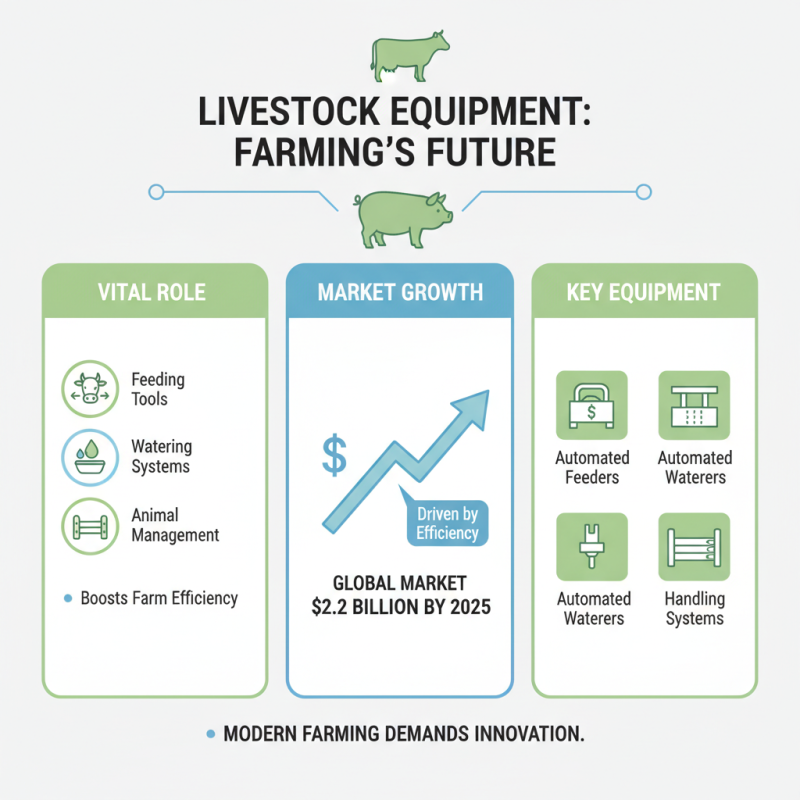
Livestock equipment plays a vital role in modern farming. It includes tools for feeding, watering, and managing animals. According to the livestock industry report, the global market for livestock equipment is expected to reach $2.2 billion by 2025. This growth is driven by the need for increased efficiency on farms.
Farmers experience several key benefits with the right equipment. Automated feed systems save time. They ensure consistent nutrition, which can improve animal health. In turn, healthier livestock can lead to higher yields. A study showed that using advanced watering systems can reduce water waste by up to 40%. This not only lowers costs but also promotes sustainability.
However, not all farmers have adopted these technologies. Some face financial constraints or lack access to resources. It's vital to address these gaps to ensure everyone can benefit from advancements in livestock equipment. Training on proper use is equally important to maximize the potential of these tools. While there are clear advantages, challenges remain in the path of adoption.
How to Choose the Right Livestock Equipment for Your Farm
Choosing the right livestock equipment is crucial for any farmer. It can impact productivity and animal welfare. Farmers often overlook this aspect. Equipment should match the farm's specific needs. Conducting a proper evaluation is essential.
According to a recent report from the USDA, improper equipment can lead to a decrease in productivity by up to 25%. For instance, inadequate feeding systems may result in poor nutrition for livestock. This can affect growth rates and overall health. Ensure the equipment you choose is compatible with your farm's current operations.
Tips: Consider consulting with local agricultural experts. They can provide insights into what works best in your area. Evaluate your budget carefully. Investing in reliable equipment upfront may save costs in the long run. Remember, re-evaluating your choices is just as important as making the initial ones. The right equipment not only benefits your livestock but also enhances your farming efficiency.
Maintenance and Care for Livestock Equipment
Proper maintenance and care of livestock equipment is crucial for farmers. Regular checks can prevent costly repairs and downtime. According to the American Society of Agricultural and Biological Engineers, improper maintenance can lead to a 25% decrease in efficiency. Routine inspections help identify wear and tear before it becomes a serious issue. Farmers should note any unusual noises or performance drops immediately.
Cleaning is another key aspect. Dust and debris can cause equipment to malfunction. Keeping equipment clean ensures optimal performance. Some farmers overlook this, leading to increased repair costs. A report from the Agricultural Equipment Manufacturers Association highlights that clean equipment can last up to 30% longer. Farmers must invest regular time in maintenance.
Documentation is vital. Keeping a maintenance log can help determine patterns and potential problems. It allows farmers to schedule regular services. Nonetheless, many farmers skip this step, thinking it’s unnecessary. Research shows that keeping detailed records can improve equipment lifespan significantly. Embracing this practice can lead to more efficient farming operations.
Benefits of Livestock Equipment Maintenance