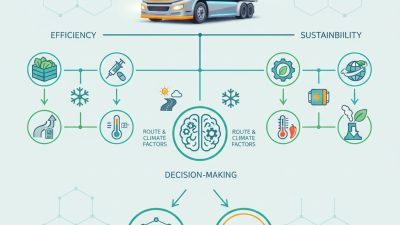
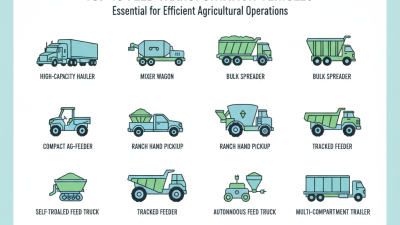
In the competitive world of food delivery, utilizing a Fresh Food Transport Vehicle is crucial for maintaining quality. According to a report by the Food Logistics Association, improper transport can lead to a 20% loss in food freshness and safety. This stat emphasizes why the right vehicles are essential. Fresh food requires specific temperature controls. Temperature fluctuations can degrade produce and other perishables quickly.
A Fresh Food Transport Vehicle is designed for these needs. These vehicles maintain optimal conditions, ensuring food arrives safely. Data shows that 70% of consumers prefer companies prioritizing food quality. They are also more likely to become repeat customers. Therefore, investing in proper transportation is not just about logistics; it's about enhancing customer trust.
However, not all companies use these vehicles efficiently. Some lack training on maintaining standards during transport. Issues arise when equipment malfunctions or drivers overlook vital procedures. For efficient delivery, ongoing education is key. Industry reports indicate that companies prioritizing training see a 15% lower spoilage rate. Attention to detail in transporting food is vital for success.

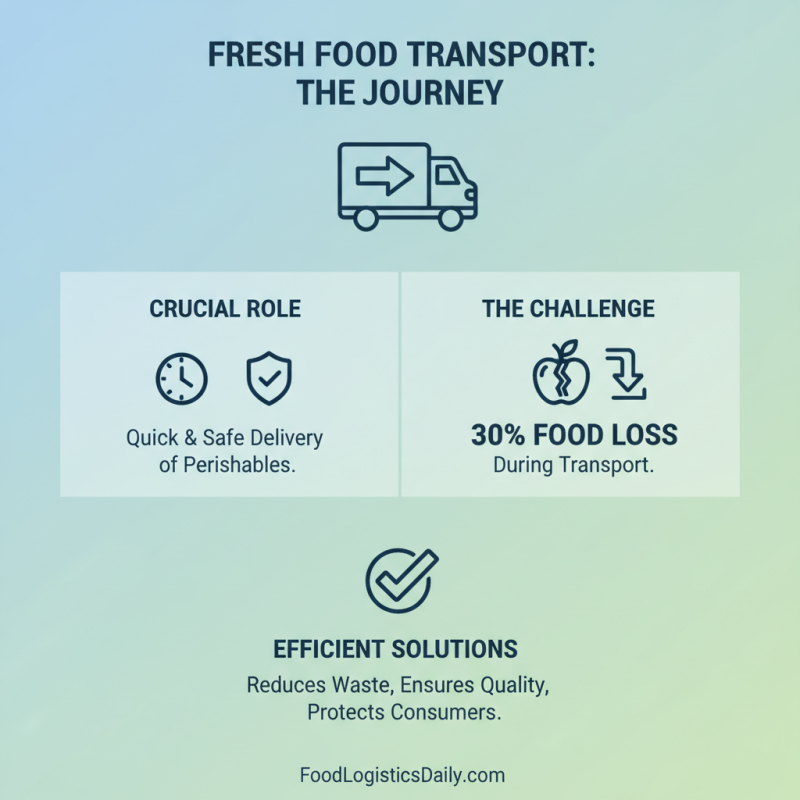
In the food industry, fresh food transport vehicles are crucial. They ensure that perishable items reach consumers quickly and safely. According to industry reports, approximately 30% of food losses occur during transportation. This highlights the need for efficient transport solutions.
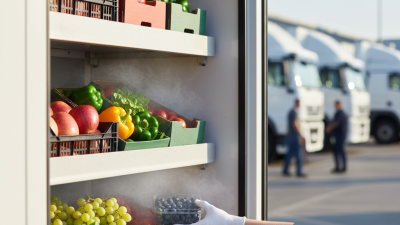
Using specialized vehicles minimizes spoilage. They maintain the right temperatures for various food types. For instance, fruits and vegetables require specific conditions to stay fresh. If not met, quality deteriorates. Research indicates that proper temperature control can reduce spoilage by up to 50%.
Tips: Regular maintenance of transport vehicles is essential. Always check refrigeration systems to avoid breakdowns. Additionally, investing in quality insulation can enhance temperature control. Consider using tracking technology to monitor conditions during transit. This ensures accountability and improves efficiency.
Fresh food transport vehicles are vital in ensuring food safety during delivery. Temperature control plays a crucial role. According to a report by the Food Safety and Inspection Service, maintaining the cold chain is essential. For instance, perishable foods must be kept below 40°F to prevent bacterial growth. Specialized vehicles with equipped refrigeration systems can maintain these temperatures effectively. This allows produce and dairy products to arrive fresh at the destination.
In addition to temperature, hygiene is critical. Vehicles used for fresh food delivery should have surfaces easy to clean. A study by the International Journal of Food Microbiology found that unclean transport can lead to contamination. Regular sanitation protocols are necessary. Drivers need training on best practices for handling food. Having clear guidelines helps reduce risks.
Monitoring tools also add value. Equipping vehicles with temperature logging devices can track fluctuations during transport. An analysis showed that 15% of foodborne illnesses could be linked to temperature abuse in delivery. Addressing these factors can significantly enhance food safety.
Specialized vehicles for food delivery can significantly enhance efficiency. These fresh food transport vehicles maintain optimal temperature and prevent spoilage. When food arrives fresh, it attracts more customers and boosts sales. Food companies can save on waste costs when items are delivered in prime condition.
Using such vehicles also presents economic advantages. They reduce fuel consumption and maintenance costs compared to standard delivery trucks. The right investment can lead to long-term savings. However, not all businesses may justify the initial costs. Some may need to reflect on their delivery scale before making a decision.
The logistics of food delivery require careful planning. A reliable transport system enhances customer satisfaction. Unoptimized systems may lead to delays and lost revenue. Evaluating the benefits of specialized vehicles can prove crucial. The better the delivery system, the more successful the business can become.
Maintaining the right temperature during food transport is crucial for ensuring quality. Temperature fluctuations can lead to spoilage, impacting taste and safety. Fresh food requires specific conditions. For instance, seafood should be kept at 32°F, while fruits may need a bit warmer. If those temperatures are not maintained, freshness deteriorates quickly.
Inadequate temperature control can result in waste. Spoiled food contributes to economic loss and environmental issues. A study showed that about one-third of food produced is wasted. Shockingly, improper transport conditions play a significant role. It raises questions about efficiency and responsibility in the food supply chain.
Cold chain logistics are vital for food delivery systems. Investing in vehicles designed for temperature control can mitigate these risks. However, not every business prioritizes this. Some overlook the importance of temperature monitoring. It’s a reminder that every step counts, from production to delivery. Companies must reflect on their practices to improve food quality universally. Through dedicated measures, we can ensure that fresh food reaches consumers in optimal conditions.
| Transport Vehicle Type | Temperature Control (°C) | Food Type | Transport Duration (Hours) | Quality Retention (%) |
|---|---|---|---|---|
| Refrigerated Van | 0 to 4 | Dairy Products | 6 | 95 |
| Insulated Truck | -10 to -5 | Frozen Meat | 8 | 90 |
| Thermal Container | 2 to 5 | Fresh Produce | 4 | 92 |
| Refrigerated Container | 0 to 3 | Seafood | 5 | 93 |
| Chilled Delivery Vehicle | 1 to 4 | Prepared Meals | 3 | 88 |
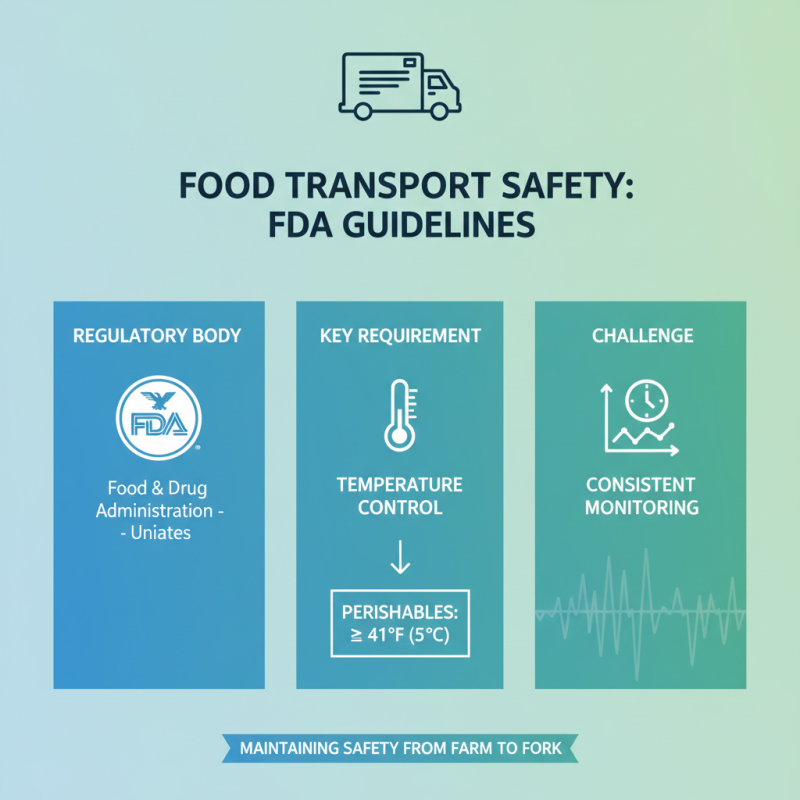
Food transport vehicles must meet specific regulatory standards. In the United States, the Food and Drug Administration (FDA) outlines guidelines for transporting food products. Vehicles must maintain proper temperature controls to ensure food safety. For example, keeping perishable items at 41°F or below is crucial. Many operators, however, struggle with consistent temperature monitoring.
Compliance is not just about following rules. It influences consumer trust. According to industry research, 70% of consumers consider food safety crucial when choosing suppliers. This statistic underscores the need for top-notch transport vehicles. Inspections often reveal non-compliance, leading to fines or product recalls. Such incidents can damage a brand's reputation.
Training for drivers is another essential element. Research indicates that drivers with proper training reduce incidents of food spoilage by nearly 30%. Yet, many companies overlook this aspect, leading to potential risks. Every mistake can cost money and consumer trust. Hence, stringent attention to regulatory compliance can vastly improve food delivery efficiency and safety in the long term.