10 Essential Tips for Maintaining Cold Chain Vehicles for Optimal Performance?
In the world of logistics, maintaining cold chain vehicles is crucial. Expert James Lee, a veteran in the industry, emphasizes, “A well-kept cold chain vehicle is the backbone of quality transport.” These vehicles must function correctly to keep perishable goods viable. An overlooked detail can disrupt the entire process.
Cold chain vehicles face numerous challenges. Temperature fluctuations, mechanical issues, and maintenance lapses can arise. Failing to address these challenges can lead to spoilage and economic loss. Each vehicle presents unique requirements that need attention.
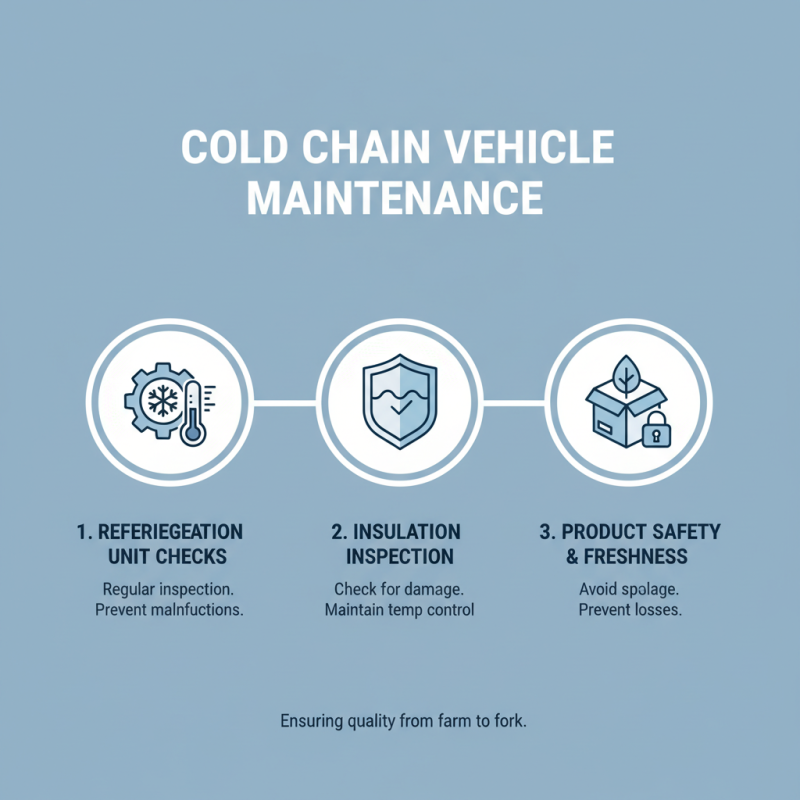
Proper maintenance strategies are essential for optimal function. Regular checks on refrigeration units, insulation, and overall vehicle condition are vital. Ignoring these tasks can have significant consequences. It takes diligence to ensure the success of cold chain logistics.
Understanding the Importance of Cold Chain Vehicles in Logistics
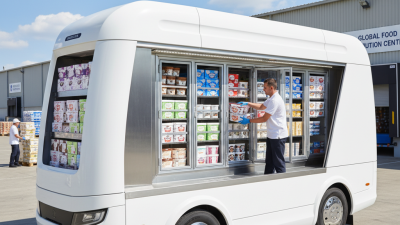
Cold chain vehicles play a vital role in logistics. They ensure that temperature-sensitive products remain viable during transport. This is crucial for pharmaceuticals, food, and other perishable goods. Maintaining the right temperature is not just a preference; it can mean the difference between safe products and potential health risks.
Regular inspections are necessary for these vehicles. Drivers and operators should routinely check refrigeration units for performance. Small issues can escalate into significant problems. Proper loading techniques also matter. Overloading can impair air circulation, leading to uneven temperature distribution. It’s essential to pack goods thoughtfully, allowing air to flow freely.
Training staff is another key aspect. Well-informed teams can recognize early warning signs of mechanical issues. They can quickly address them before they become critical. Despite all precautions, breakages or fluctuations can occur. Reflecting on these challenges is essential for improving processes. Cold chain logistics requires constant diligence and commitment to quality.
Regular Inspection and Preventive Maintenance Practices
Cold chain vehicles play a crucial role in preserving temperature-sensitive goods. Regular inspection and preventive maintenance practices are essential for their optimal performance. Research shows that proper maintenance can reduce breakdowns by up to 30%. This statistic highlights the importance of regular checks on refrigeration units and vehicle integrity.
Tire quality is another vital aspect. A truck's tire condition directly influences fuel efficiency and handling. According to industry data, over 20% of cold chain failures stem from tire issues. Conducting monthly inspections can help identify worn-out tires before they affect performance. Brake checks and fluid levels are equally important to prevent accidents during transport.
Vibrations and wear are part of daily operations. However, ignoring minor issues can lead to major breakdowns. Many logistics companies lack routine checks, risking lost cargo. Reports indicate that 15% of products are damaged due to equipment failure. Implementing a structured inspection schedule can prevent costly losses and improve overall reliability in cold chain logistics.
10 Essential Tips for Maintaining Cold Chain Vehicles for Optimal Performance
Temperature Monitoring Systems and Their Role in Vehicle Performance
Temperature monitoring systems play a crucial role in the effectiveness of cold chain vehicles. These systems track the internal temperature of the vehicle throughout the transport process. Real-time data helps in timely adjustments to maintain optimal conditions. Without accurate monitoring, products can spoil, leading to significant losses.
Regular checks of these systems are essential. Sometimes, sensors may malfunction or provide incorrect readings. This issue can go unnoticed and compromise the integrity of the cargo. Visual inspections should complement the electronic checks. It’s vital to ensure these systems are calibrated correctly. Even minor errors can lead to major problems.
Training staff on the importance of temperature monitoring is also necessary. Employees must understand the critical nature of their role in preserving products. Communication should be clear and regular. They should report any issues immediately. Continuous improvement in monitoring practices can enhance vehicle performance and product safety over time.
10 Essential Tips for Maintaining Cold Chain Vehicles for Optimal Performance
| Tip Number |
Maintenance Tip |
Description |
Frequency |
| 1 |
Regular Inspections |
Conduct thorough inspections of the refrigeration unit. |
Monthly |
| 2 |
Temperature Monitoring |
Install real-time temperature monitoring systems. |
Continuous |
| 3 |
Refrigeration Unit Maintenance |
Check and service the refrigeration unit regularly. |
Quarterly |
| 4 |
Seal Integrity Checks |
Inspect door seals for air leaks that can affect temperature. |
Bi-Monthly |
| 5 |
Adequate Training |
Train drivers on cold chain protocols and best practices. |
Annually |
| 6 |
Regular Cleaning |
Clean the vehicle and refrigeration unit to prevent odor and contamination. |
Monthly |
| 7 |
Power Supply Checks |
Ensure backup power systems are functional and tested. |
Bi-Annual |
| 8 |
Cargo Loading Practices |
Follow best practices for loading to maintain airflow. |
Every Use |
| 9 |
Data Logs Review |
Regularly review temperature logs for anomalies. |
Weekly |
| 10 |
Emergency Preparedness |
Have a contingency plan for refrigeration failure. |
Annually |
Training Personnel on Best Practices for Cold Chain Management
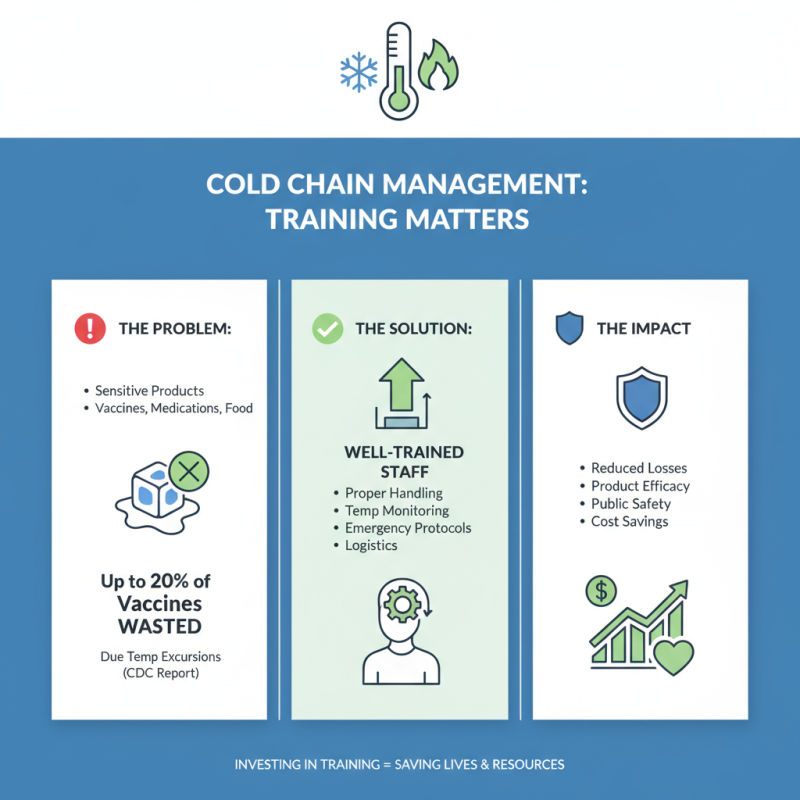
Training personnel on best practices for cold chain management is crucial. According to a report by the CDC, improper handling of temperature-sensitive products can lead to significant losses. Up to 20% of vaccines, for example, are wasted due to temperature excursions. This highlights the need for well-trained staff who understand the importance of maintaining proper temperature conditions.
Staff education should focus on understanding the cold chain process. Employees must know how to monitor temperature and humidity levels effectively. Regular training sessions can reinforce these concepts. Interactive learning methods, such as hands-on simulations, can boost retention. A study by the World Health Organization found that practical training improved temperature monitoring skills by 30%.
Operational challenges often arise. Employees might forget to check equipment daily or misinterpret temperature logs. This can create vulnerabilities in the cold chain. Regular assessments and feedback can help identify these weaknesses. Introducing a culture of accountability encourages team members to take ownership of their responsibilities. This proactive approach is essential for maintaining product integrity and minimizing waste.