How to Choose the Right Refrigerated Delivery Vehicle for Your Business?
Choosing the right Refrigerated Delivery Vehicle is crucial for businesses that deal with perishable goods. John Doe, a noted expert in the cold chain logistics industry, emphasizes, "The vehicle you choose can make or break your delivery efficiency." This statement highlights the importance of making informed decisions.
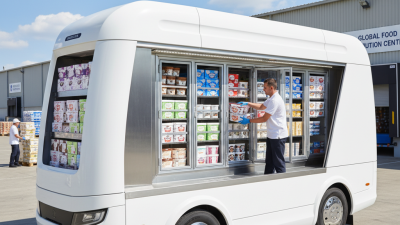
When selecting a Refrigerated Delivery Vehicle, several factors come into play. Consider the size and capacity needed for your products. Not all businesses require the same specifications. For example, a bakery may need a compact vehicle, while a grocery distributor requires larger space.
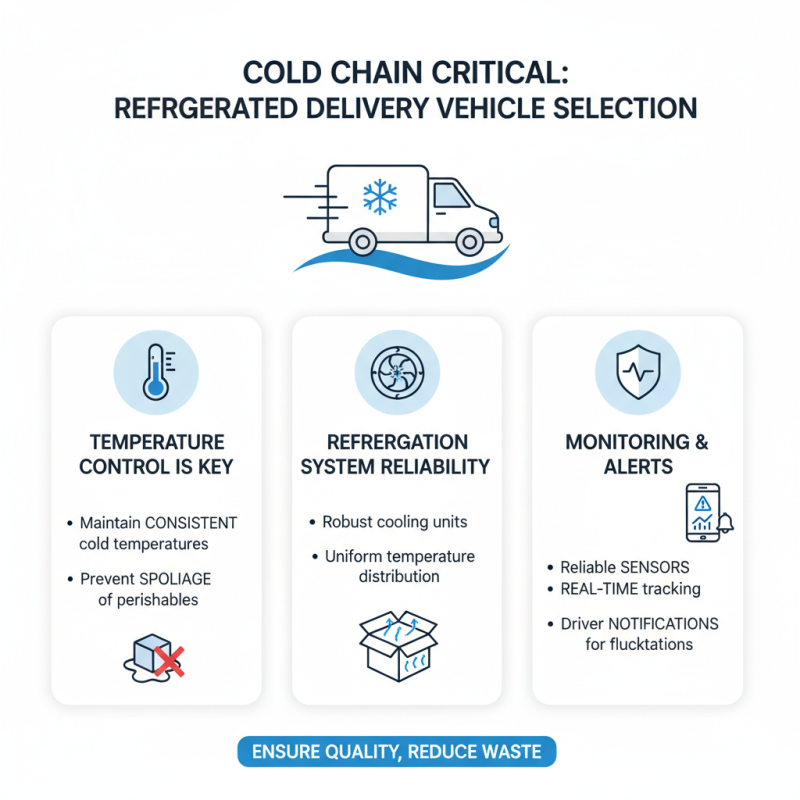
It’s important to evaluate temperature control features as well. Some vehicles offer advanced technology for maintaining precise temperatures. However, these may come with higher costs. Make sure to balance quality with your budget constraints. Reflect on what works best for your operation. Remember, the perfect vehicle for one company might not suit another. Finding the right fit takes time and careful deliberation.
Understanding the Importance of Refrigerated Delivery Vehicles
Refrigerated delivery vehicles play a critical role in many industries, notably in food and pharmaceuticals. According to a recent market research report, the demand for temperature-controlled logistics is projected to grow by 8% annually. This increase highlights the essential nature of these vehicles. Businesses must understand the importance of maintaining proper temperatures to preserve product quality.
Temperature fluctuations during transport can lead to spoilage. The FDA indicates that food stored above 40°F for more than two hours can become unsafe. This statistic emphasizes the need for reliable refrigeration solutions. Choosing inadequate vehicles could result in significant financial loss due to spoiled goods. Ensuring that deliveries arrive intact is not just beneficial; it is essential.
The size and configuration of the vehicle can also significantly impact efficiency. A truck that's too large may consume excessive fuel, increasing delivery costs. Conversely, a small vehicle may not have enough capacity for larger orders. Consideration of fleet size is essential. Decisions made based on inadequate assessments can lead to operational inefficiencies, reflecting the need for careful planning.
Understanding the Importance of Refrigerated Delivery Vehicles
Types of Refrigerated Delivery Vehicles and Their Suitability
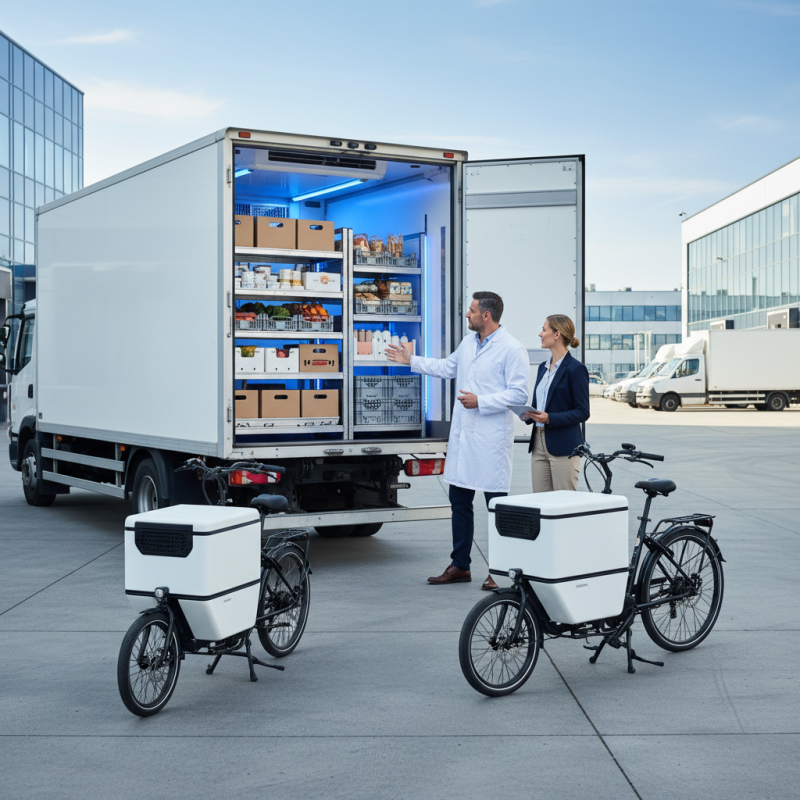
When selecting the right refrigerated delivery vehicle, understanding the types available is essential. Different vehicles serve various industries. A small van, for instance, is suitable for local deliveries of perishable goods. It offers flexibility and lower operating costs, making it ideal for small businesses. According to a recent industry report, small vans account for 45% of the refrigerated vehicle market.
For larger operations, box trucks may be necessary. These vehicles provide more cargo space, allowing for bulk deliveries. Box trucks can maintain a consistent temperature, crucial for preserving food quality during transit. In fact, studies show that nearly 35% of businesses that use box trucks report fewer spoilage issues compared to those using smaller vehicles.
Finally, reefer trailers are the go-to for extensive distribution networks. They can transport large quantities over long distances without losing temperature control. However, they require additional logistics planning, which can be challenging. The data indicates that while reefer trailers are effective, 25% of drivers face difficulties in maintaining optimal conditions throughout the journey. Understanding these nuances can guide you toward the most suitable choice for your business needs.
Evaluating Storage Capacity and Layout for Efficient Delivery
When selecting a refrigerated delivery vehicle, storage capacity and layout are crucial. A vehicle that can accommodate a variety of product shapes will enhance efficiency. According to recent industry reports, a well-optimized layout can improve delivery times by up to 25%.
Consider how items will be stored. Using adjustable shelving can offer versatility. It allows for both bulk items and smaller packages. A common mistake is underestimating required space. Many businesses miscalculate their storage needs, leading to cramped conditions and damaged goods. Effective stacking can maximize space, but there are limits.
Temperature monitoring also ties into layout choices. A vehicle with separate compartments can maintain varied temperatures. This ensures that different products stay fresh simultaneously. Research suggests that maintaining proper temperatures reduces spoilage by 30%. A clear plan for storage layout is essential to avoid thermal breaches. Balancing capacity with layout is not always straightforward, but it is vital for cost-effectiveness.
Cost Analysis: Budgeting for Purchase or Lease of Vehicles
When budgeting for the purchase or lease of refrigerated delivery vehicles, understanding the costs is crucial. Industry reports suggest that businesses should allocate about 10-20% of their monthly revenue towards these costs. For example, a standard refrigerated truck can range from $25,000 to $75,000. Leasing might seem cheaper initially, but over time, the total costs can add up.
Tips: Consider a thorough cost analysis. Analyze both purchase and lease options. Calculate operational costs like fuel, maintenance, and insurance. You might find leasing more flexible, but purchasing could offer long-term savings.
Another point to consider is depreciation. New vehicles lose value quickly. According to recent studies, they can depreciate by around 20% within the first year. This can impact resale value significantly. Many businesses overlook this aspect.
Tips: Estimate your vehicle's resale value early on. This can help in making a more informed decision. Review market trends for better insights. What works today may not work tomorrow. Reflect on your specific needs to ensure your choice aligns with your growth plan.
How to Choose the Right Refrigerated Delivery Vehicle for Your Business? - Cost Analysis: Budgeting for Purchase or Lease of Vehicles
| Criteria |
Purchase Cost ($) |
Lease Cost ($/month) |
Maintenance Cost ($/year) |
Fuel Efficiency (mpg) |
Capacity (cubic feet) |
| Small Van |
25,000 |
500 |
1,200 |
18 |
200 |
| Medium Truck |
45,000 |
900 |
2,500 |
15 |
400 |
| Large Trailer |
75,000 |
1,500 |
4,000 |
10 |
800 |
| Reefer Box Truck |
60,000 |
1,200 |
3,000 |
12 |
600 |