How to Choose the Best Fresh Food Transport Vehicle for Your Business?
Choosing the right Fresh Food Transport Vehicle is vital for any business dealing in perishable goods. According to industry expert John Smith, "Your vehicle is your lifeline in the fresh food market." His insight highlights how essential a well-chosen vehicle is for maintaining product quality.
When selecting a Fresh Food Transport Vehicle, various factors come into play. Temperature control is crucial; a vehicle without proper refrigeration can spoil goods quickly. The layout of the vehicle should also allow for easy loading and unloading. Businesses often face tight schedules; an inefficient vehicle can lead to delays and lost revenue.
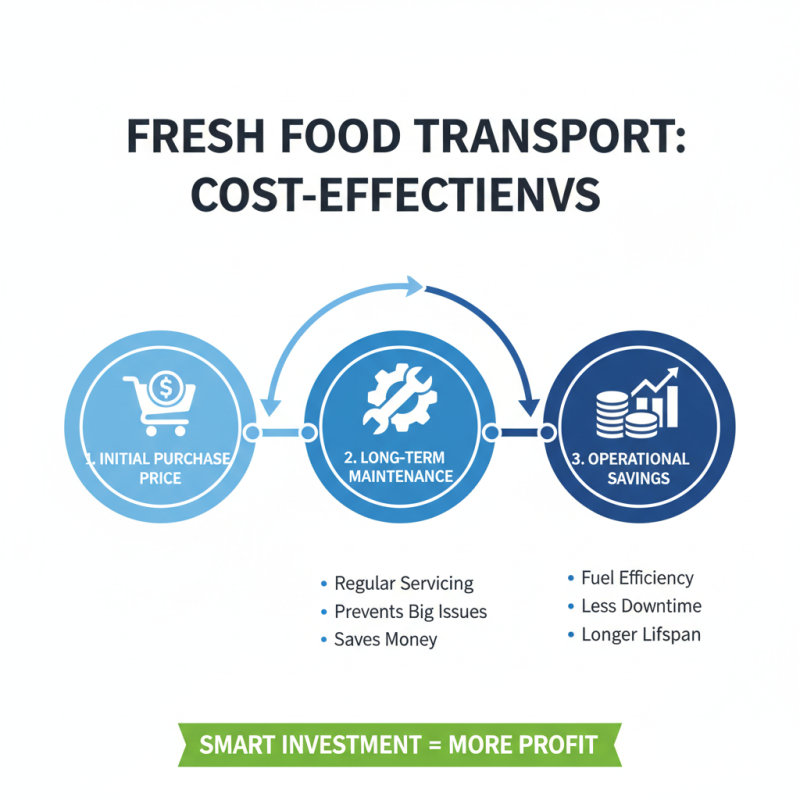
It's important to remember that not every vehicle meets every business need. What works for one company may not suit another. Regular maintenance is essential to keep a vehicle running well. A neglected vehicle can lead to unexpected breakdowns, jeopardizing food quality and customer satisfaction. Reflecting on these aspects can help businesses avoid future issues.
Factors to Consider When Selecting a Fresh Food Transport Vehicle
Choosing the right transport vehicle for fresh food is crucial. Many factors come into play.
Temperature control is a primary concern. You need a vehicle that maintains the required conditions for your products.
Fresh fruits and vegetables have different needs. They require specific temperature ranges to stay fresh longer. If the temperature fluctuates, spoilage can occur quickly.
Another important aspect is space. Consider the volume of food you need to transport.
A vehicle that's too small can limit your operations. This might lead to lost sales. On the other hand, an overly large vehicle can increase costs unnecessarily.
Efficiency is key. Think about how you'll load and unload the vehicle. Accessibility and design can affect your daily workflow.
Durability is also a factor. Fresh food transport vehicles endure a lot of wear and tear.
You may have to deal with frequent use. Look for materials that withstand daily challenges.
Maintenance should not be ignored. Regular checks can prevent bigger issues.
Reflect on your needs carefully, and evaluate regularly for improvements.
Types of Vehicles Suitable for Fresh Food Transport
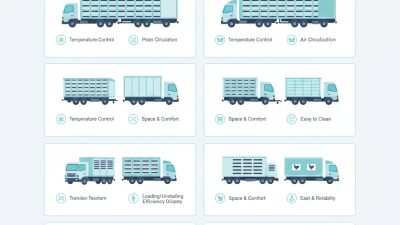
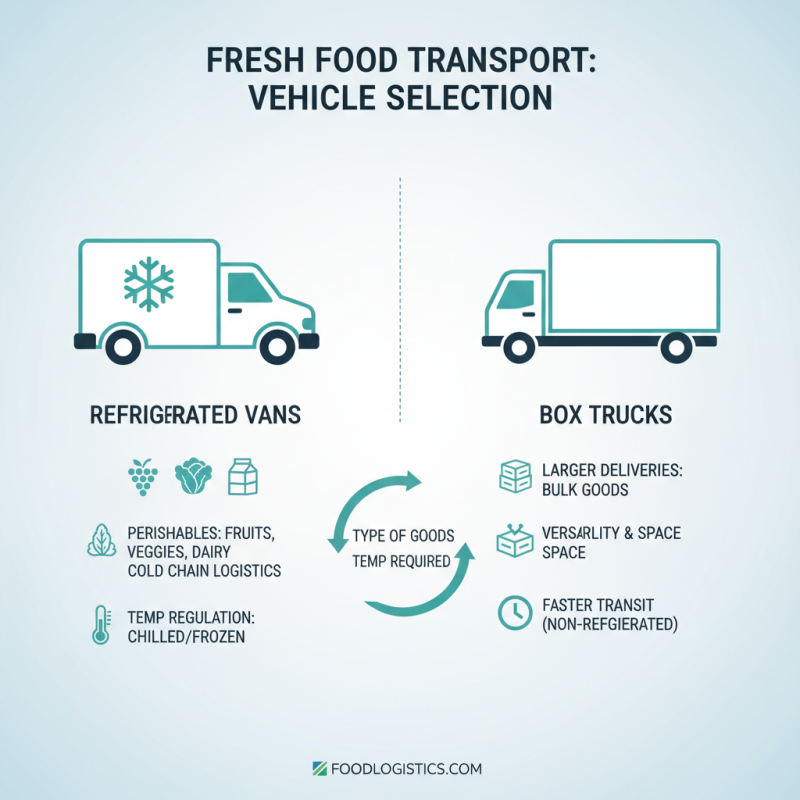
When selecting a transport vehicle for fresh food, consider the type of goods and the required temperature regulation. Refrigerated vans are ideal for maintaining cold chain logistics. They keep perishable items like fruits, vegetables, and dairy fresh during transit. Box trucks also offer versatility and space, making them suitable for larger deliveries.
Tips for choosing a vehicle: Evaluate the size needed for your deliveries. A larger vehicle may waste fuel if not fully utilized. Ensure the vehicle has proper insulation and temperature controls. Regular maintenance is essential for optimal performance, yet many overlook this aspect. Check for wear and tear frequently to avoid unexpected issues.
When it comes to smaller operations, consider using cargo vans. They can be efficient for local deliveries. However, be mindful of the load capacity. Overloading can lead to increased wear and unsafe driving conditions. Keep an eye on local regulations regarding vehicle specifications, as these can affect your choice. Ownership costs can also creep up; analyze fuel efficiency and maintenance needs carefully.
Evaluating Capacity and Space Requirements for Your Business
When selecting a fresh food transport vehicle, capacity is crucial. Think about your products. Do they require refrigeration? A larger vehicle might be necessary. Fresh produce needs space to breathe. Crowded items can spoil quickly. This can lead to waste. Measure your average load before making a decision.
Space requirements also hinge on your operation scale. Are you a small business or a big supplier? Each demands different dimensions and configurations. A compact van may suffice for a bakery. However, a bustling restaurant might need a truck. Consider your loading and unloading processes. Accessibility is vital. How many stops do you make daily? This affects your vehicle choice too.
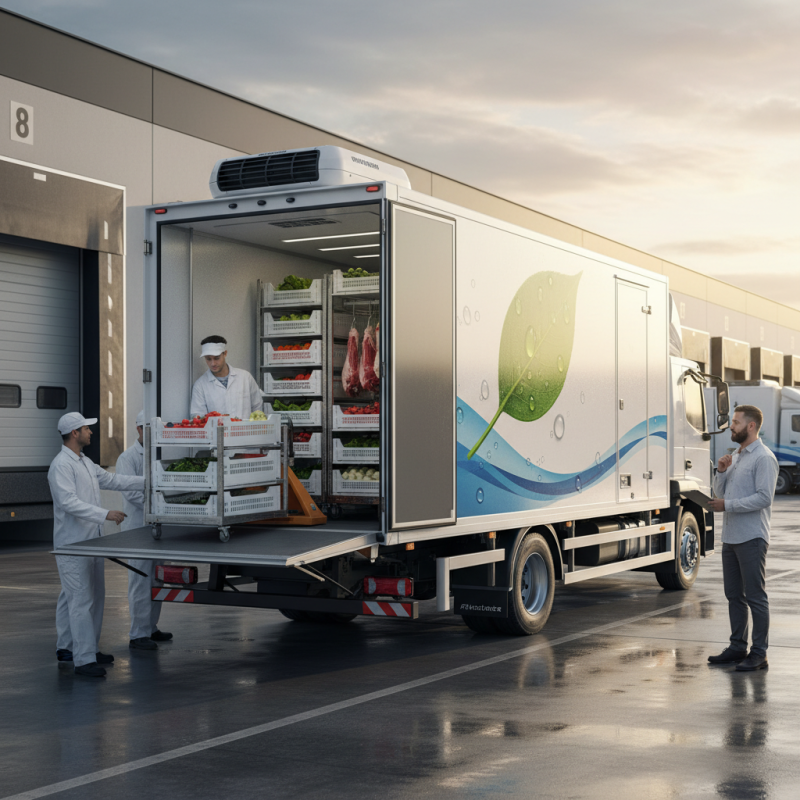
Don't overlook the configuration. Shelving, racks, and compartments can enhance efficiency. They help keep items organized. It's easy to fall into the trap of oversizing or undersizing your vehicle. This misstep can hurt operations. Regularly reassess your needs. Your business will evolve, and so should your transport.
Understanding Temperature Control Options for Fresh Food Transport
When transporting fresh food, temperature control is crucial. According to a report by the Food and Drug Administration, 30% of foodborne illnesses are linked to improper temperature management during transit. This underscores the need for vehicles that maintain the appropriate temperature range. Depending on the type of food you transport, maintaining temperatures between 32°F and 41°F is essential for perishable items.
Investing in effective temperature control options can be overwhelming. Look for vehicles equipped with reliable refrigeration systems. These systems should have temperature monitoring features. Some systems even allow real-time tracking, which is beneficial for high-value products. Remember, if the temperature fluctuates too much, the quality of food can degrade.
Tip: Regular maintenance of refrigeration units is necessary. A system failure could lead to financial loss. Don't forget to train drivers on proper loading techniques. Improper loading can cause uneven temperature distribution.
In addition, consider the type of insulation in your transport vehicle. Good insulation reduces energy consumption and maintains consistent temperatures. Yet, some vehicles may struggle with temperature regulation in extreme weather conditions. Therefore, always assess the performance of your vehicle in varying climates. This simple step can prevent significant losses in fresh produce.