How to Choose the Best Ice Cream Transport Vehicle for Your Business?
When selecting an Ice Cream Transport Vehicle for your business, it’s crucial to consider various factors. The right vehicle can enhance efficiency and ensure product quality. According to the International Dairy Foods Association, the ice cream market is expected to reach $78 billion by 2025. This growth highlights the importance of reliable transport solutions.
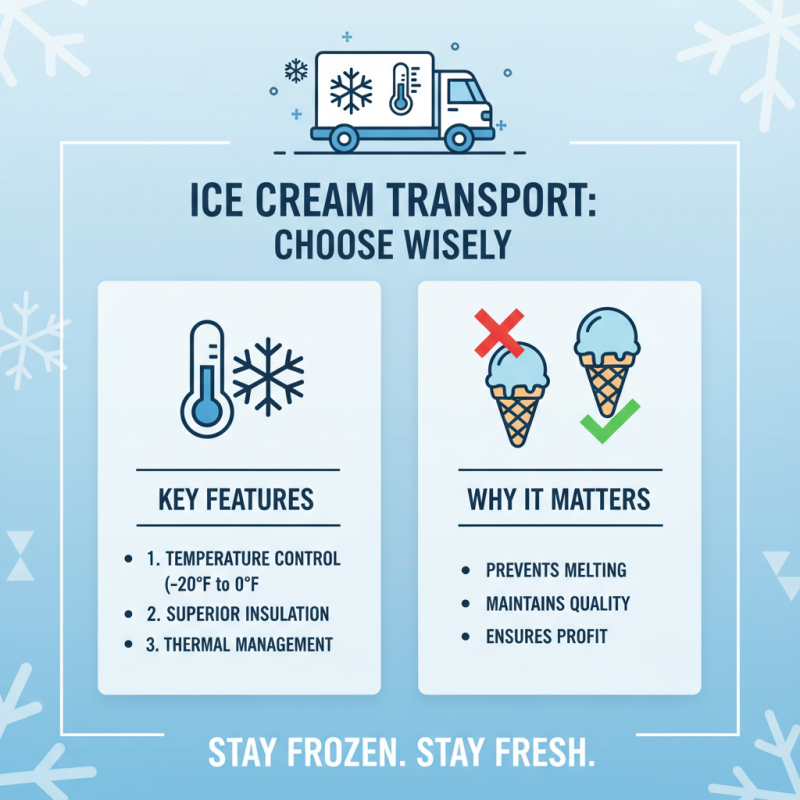
Industry expert Dr. Emily Frost emphasizes, "A well-chosen Ice Cream Transport Vehicle can make or break your business." Her insights reflect the need for proper insulation, temperature control, and ease of access. These elements directly affect product integrity during transport.
Many operators overlook the long-term benefits of investing in high-quality vehicles. Initial costs can be daunting, yet they often lead to significant savings. Choosing the wrong vehicle may result in product spoilage, lost customers, and a damaged reputation. Reflecting on these aspects can guide you towards making informed decisions.
Understanding Your Ice Cream Business Needs
Choosing the right vehicle for your ice cream business goes beyond style and cost. It requires understanding your unique needs. In the ice cream industry, customer satisfaction hinges on product quality and delivery efficiency. According to a recent report, 40% of customers cite melted ice cream as a common complaint. This highlights the importance of temperature control in your transport vehicle.
Consider the volume of ice cream you need to deliver daily. If your business caters to events, an adaptable vehicle may be ideal. The report shows that businesses with proper temperature management can enhance customer loyalty by up to 30%. Additionally, your vehicle should facilitate easy access to serve customers quickly.
You might worry about maintenance costs. A vehicle that breaks down often can lead to lost sales. Finding a balance between initial investment and long-term reliability is important. Review different transport options, knowing that even minor flaws can impact your business adversely. The right choice is essential, not just for profits, but for customer satisfaction.
Evaluating Different Types of Ice Cream Transport Vehicles
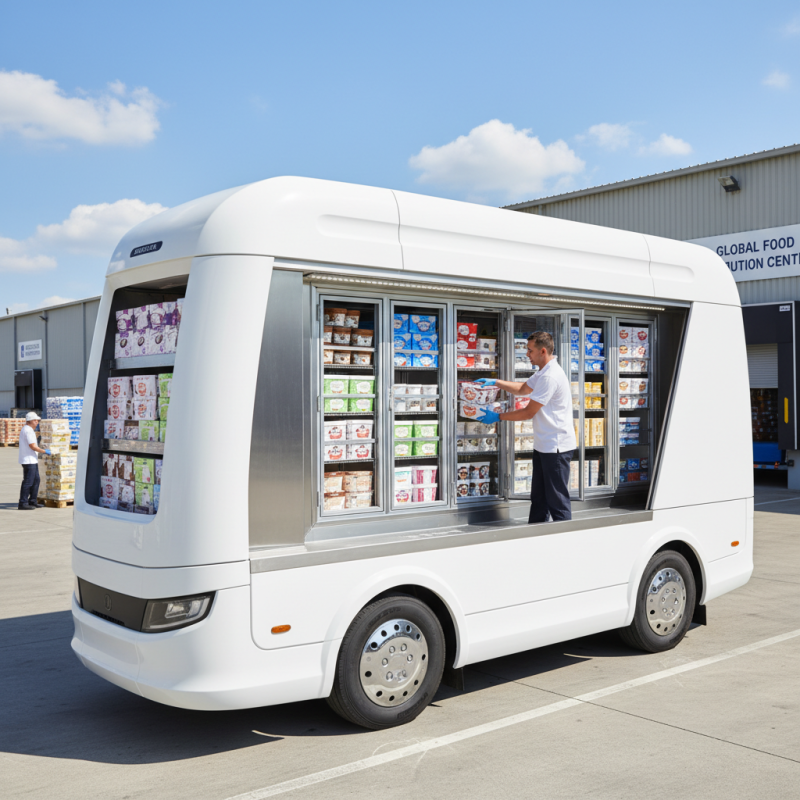
When selecting an ice cream transport vehicle, consider different types and their features. A refrigerated van can maintain consistent temperatures. This is crucial for ice cream quality. Ensure the vehicle has adequate insulation. Poor insulation can lead to unwanted melting.
Consider the size of the vehicle. Smaller vans are easier to maneuver in tight spaces. However, they may limit your supply. Larger trucks can carry more products but may require more parking space. Think about your delivery routes and how often you need to restock.
Evaluate the vehicle's energy source too. Electric vehicles can be more eco-friendly but may have limited range. Diesel options often provide more power, yet they can emit more pollutants. Reflect on your values and your customers' preferences. Investing in the right vehicle will impact your business for years to come, but it’s essential to balance cost and functionality.
Ice Cream Transport Vehicle Capacity Comparison
Analyzing Cost Efficiency and Budget Considerations
Choosing the right ice cream transport vehicle impacts your business significantly. Cost efficiency is paramount. Industry reports indicate that vehicles designed for food transport can range from $20,000 to $60,000. These costs depend on size, temperature control features, and payload capacity.
Consider your budget carefully. A vehicle with more features may seem appealing, but it can drain your funds. You need to avoid overspending on unnecessary options. Ice cream requires precise temperature management. Investing in a quality cooling system is essential, yet you should research the best value.
Tips: Make a list of non-negotiables versus optional features. It helps prioritize investments. Exploring used vehicles can also save money. Ensure they meet safety and health regulations. Remember that maintenance costs can add up. Be mindful of fuel efficiency and potential repairs.
What’s the right size? Too small may limit your deliveries. Too large can increase operational costs. Analyzing your delivery routes can reveal the most cost-effective vehicle size. Assess your needs today to avoid regrets tomorrow.
Considering Compliance with Health and Safety Regulations
When choosing an ice cream transport vehicle, compliance with health and safety regulations is essential. Your vehicle should maintain the right temperature for ice cream. This ensures the product's quality and safety. Check if the vehicle has proper insulation and refrigeration systems.
Tips: Regularly inspect the temperature gauges. Make sure they function correctly. Keep a log of temperature checks. This helps with compliance and provides peace of mind.
Another factor is cleanliness. The vehicle's interior must be easy to clean and sanitize. Look for smooth surfaces and removable shelves. This will make your life easier. Don’t forget to train your staff to uphold cleanliness standards. If they skip cleaning, it creates risks.
Tips: Schedule frequent deep cleanings. Use food-safe sanitizers. Encourage your team to maintain standards daily. A well-kept vehicle reflects a trustworthy business.
Lastly, think about ventilation. Good airflow prevents moisture buildup, which can harm the ice cream. Evaluate designs that promote airflow. Pay attention to how the ice cream is loaded and secured. Poor loading practices can lead to spills and contamination.