How to Choose the Best Fresh Milk Transport Vehicle in 2026?
In the ever-evolving world of dairy logistics, selecting the right Fresh Milk Transport Vehicle is crucial. According to Dr. Emily Carter, a renowned expert in dairy supply chain management, “The choice of transport vehicle can significantly impact milk quality.” With 2026 approaching, it’s vital for businesses to understand the intricacies of their transport options.
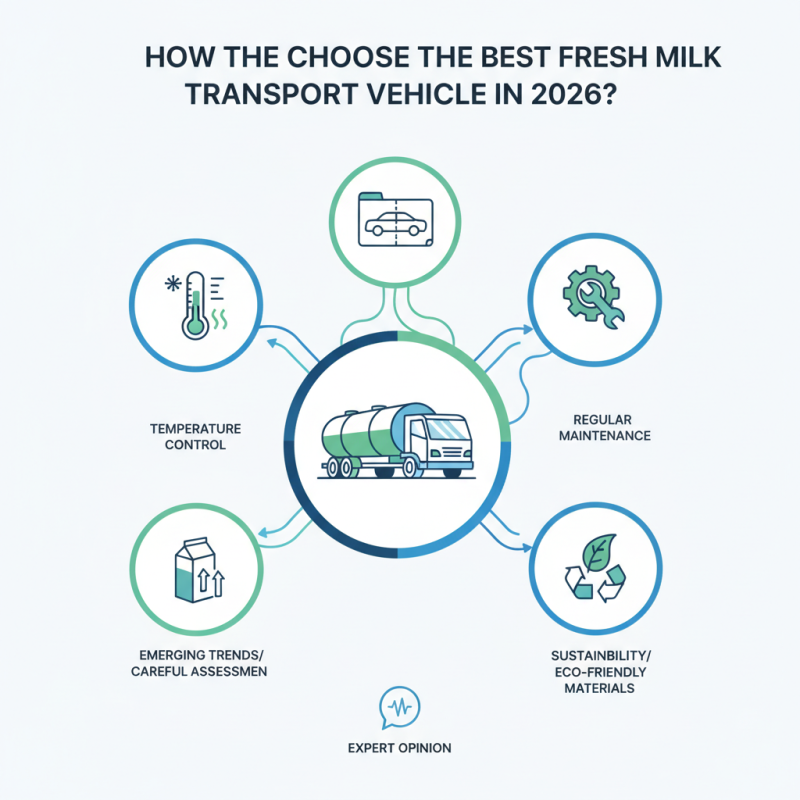
Several factors should guide your decision. The vehicle’s design, temperature control, and capacity are key considerations. A well-designed vehicle maintains milk freshness and prevents spoilage. However, not all vehicles are created equal. Businesses often overlook the importance of regular maintenance and how it contributes to overall efficiency.
Moreover, the growing demand for sustainability complicates choices further. Today’s consumers prefer eco-friendly solutions, prompting carriers to explore innovative materials. This shift prompts reflection on existing practices in the industry. Ultimately, making an informed choice about your Fresh Milk Transport Vehicle requires careful assessment and awareness of emerging trends.
Understanding the Importance of Fresh Milk Transport Vehicles
The transport of fresh milk is critical to the dairy industry. This crucial task requires vehicles that can maintain milk quality from farm to consumer. Fresh milk is highly perishable, and any delay can lead to spoilage. Therefore, understanding the specifications of transport vehicles is essential for dairy farmers and distributors.
Fresh milk transport vehicles should have proper insulation and temperature control. This helps in keeping the milk at the right temperature during transport. Lack of proper equipment can result in milk quality deterioration. Additionally, the vehicle’s cleanliness is vital. An unclean vehicle can introduce harmful bacteria, jeopardizing consumer safety. Regular maintenance is key to ensuring reliability.
Choosing the right vehicle isn’t just about capacity. Drivers must also be well-trained. They should understand the importance of timing in delivery. A delay can result in financial loss and unsafe products. A balance of these factors will lead to a wiser investment in fresh milk transport.
Key Factors to Consider When Choosing a Transport Vehicle
Choosing the right transport vehicle for fresh milk is crucial. In 2026, factors such as temperature control, capacity, and sanitation standards must be prioritized. Industry reports indicate that approximately 30% of dairy spoilage results from inadequate transport conditions. This highlights the importance of effective insulation and refrigeration systems.
Temperature settings are vital for preserving milk quality. According to a 2023 industry analysis, maintaining a consistent temperature below 4°C can reduce spoilage rates by up to 50%. Additionally, vehicles should comply with stringent health regulations to meet sanitation requirements. The design and materials used in these vehicles are equally important. For instance, corrosion-resistant materials can prevent contamination and ensure longevity.
Capacity is another significant factor. The average dairy farm produces around 200 gallons of milk daily. Therefore, selecting a vehicle that accommodates this volume without compromising quality is essential. However, larger transports may lead to unused space, increasing costs and inefficiency. Balancing size with practicality can be challenging. Analyzing these factors thoroughly will aid in making informed decisions that safeguard milk integrity throughout transportation.
How to Choose the Best Fresh Milk Transport Vehicle in 2026? - Key Factors to Consider When Choosing a Transport Vehicle
| Factor |
Description |
Importance Level |
| Temperature Control |
Maintains the required cold temperature to preserve milk quality. |
High |
| Vehicle Size |
Determines the volume of milk that can be transported at once. |
Medium |
| Fuel Efficiency |
Affects operational costs and environmental impact. |
High |
| Loading and Unloading Features |
Facilitates ease of use and reduces transport time. |
Medium |
| Maintenance and Support |
Availability of service and parts to ensure vehicle reliability. |
High |
| Compliance with Regulations |
Adheres to health and safety regulations for food transport. |
High |
Evaluating Different Types of Vehicles for Fresh Milk Transport
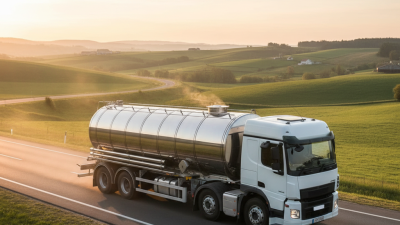
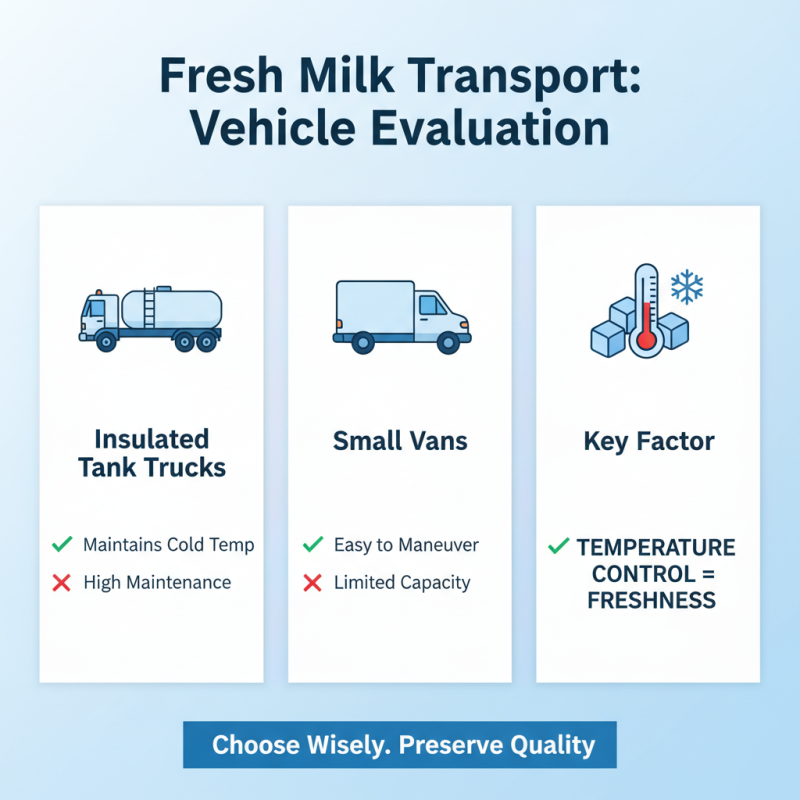
Choosing the right vehicle for fresh milk transport is crucial for maintaining quality. Each vehicle type offers unique advantages and challenges. Trucks with insulated tanks can keep milk cold, but they may require regular maintenance. Small vans are easier to maneuver, yet they have limited capacity. Consider the temperature control features, as they play a key role in preserving freshness.
Visibility and reliability are also essential. Ensure the vehicle has a good track record in similar conditions. For rural areas, a four-wheel-drive may be necessary, while urban routes could benefit from compact models. Don’t overlook the cost of ownership. Fuel efficiency and insurance can significantly impact your budget.
While newer models may promise advanced technology, older vehicles can be reliable if well-maintained. Reflect on your specific needs, such as delivery frequency and distance. Balancing capacity, cost, and features can be challenging. Investing time in research is crucial to find the most suitable option.
Sustainability and Efficiency in Milk Transport Solutions
In 2026, the demand for sustainable and efficient milk transport solutions is paramount. Reports indicate that the dairy industry contributes roughly 2.5% to global greenhouse gas emissions. A shift towards electric transport vehicles could reduce this footprint significantly. Electric trucks produce zero tailpipe emissions, making them a cleaner alternative for dairy logistics.
Investing in insulation technology for transport tanks can also enhance the energy efficiency of fresh milk delivery. Well-insulated vehicles maintain optimal temperatures, minimizing spoilage. According to industry data, better temperature control can reduce milk losses by up to 15%. However, the initial costs of these technologies may pose challenges for smaller producers.
Furthermore, vehicle selection must consider route optimization. Data shows that efficient routing can lead to a 20% reduction in operational costs. However, many companies struggle to implement advanced routing software effectively. The balance between sustainability and operational efficiency requires ongoing research and adaptation. Keeping up with trends is crucial in this evolving landscape.
Milk Transport Vehicle Efficiency in 2026
This chart illustrates the efficiency of various fresh milk transport vehicles based on key sustainability metrics such as fuel efficiency, carbon emissions, and cargo capacity in the year 2026.
Future Trends in Fresh Milk Transportation Technologies
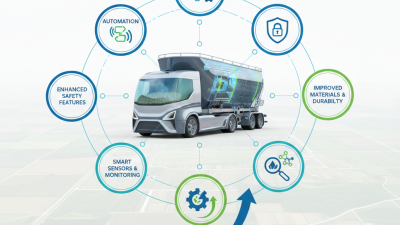
In 2026, fresh milk transportation will likely undergo significant transformations. The demand for high-quality dairy products drives innovation. New transport vehicles will need advanced technologies to enhance efficiency and safety.
Recent industry reports indicate that the global dairy transportation market is expected to grow by 8.5% annually. This rise emphasizes the need for effective refrigeration solutions. Proper temperature control ensures milk remains fresh during transit. Utilizing insulated containers can also reduce energy consumption. However, many vehicles still struggle with maintaining consistent temperatures over long distances.
Moreover, automation in transport could revolutionize fresh milk delivery. Self-driving vehicles may reduce labor costs. However, there are concerns about reliability and safety. A survey showed that 70% of industry experts remain skeptical about fully autonomous transport in the dairy sector. Despite these challenges, innovations like real-time tracking and IoT connectivity can enhance transparency. Companies must carefully weigh these emerging technologies against their operational needs. Developing a balanced approach will be crucial for success in this evolving landscape.