10 Best Livestock Transport Vehicles for Efficient Farming Solutions?
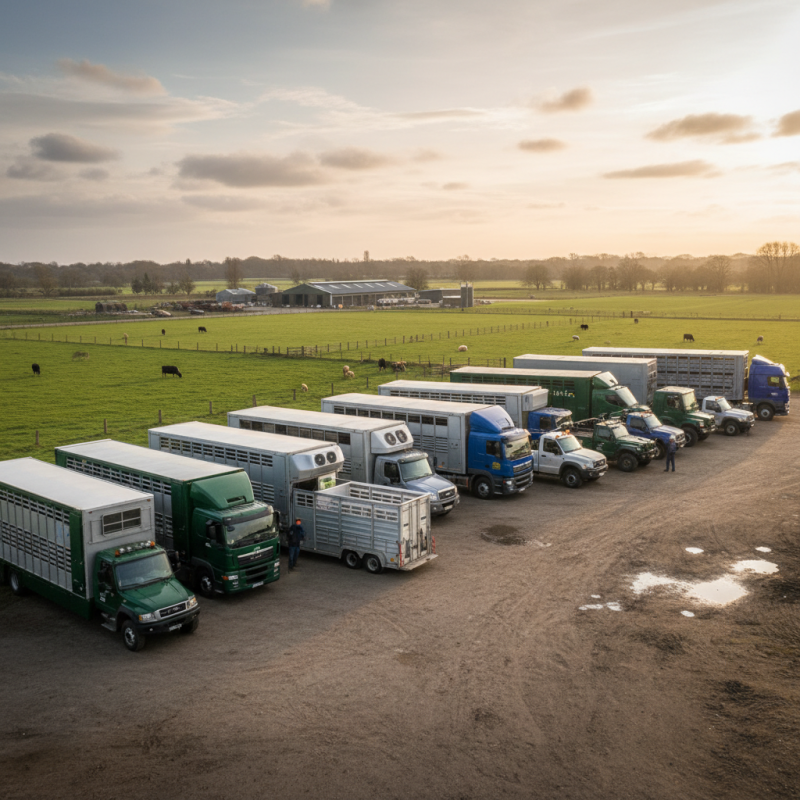
Efficient transportation of livestock is crucial in modern farming. The right Livestock Transport Vehicle can significantly impact productivity. According to a report by the American Farm Bureau Federation, livestock transport efficiency can improve by 30% with specialized vehicles. Farmers need vehicles designed for their unique challenges.
Many farmers overlook the importance of proper transport. However, improper handling can lead to stress in animals. This stress might result in weight loss and decreased productivity. It’s vital to choose vehicles that prioritize animal welfare.
Investing in the right livestock transport solutions is essential for sustainable farming. Vehicles that accommodate various sizes and types of livestock are often recommended. Reliable transport can enhance farm operations and reduce losses. With the right information, farmers can make informed choices for their livestock transport needs.
Overview of Livestock Transport Vehicles and Their Importance
Livestock transport vehicles are crucial for efficient farming. They ensure animals reach markets and feedlots in good condition. According to industry reports, over 30% of livestock losses occur during transport. Poor vehicle choice and design significantly impact animal wellbeing.
Proper ventilation is essential. Livestock can suffer from heat stress if the vehicle is inadequately ventilated. Research indicates that temperatures over 85°F (29°C) can be deadly for pigs and cattle. Regular vehicle inspections can prevent this.
Tips: Always check the vehicle’s temperature control features. Plan transport during cooler hours to minimize stress. Also, avoid overcrowding in vehicles, as this can lead to injuries and even fatalities. The ideal space for each animal varies by species and size. Use transport routes that reduce travel time and stress for the livestock. Keep these factors in mind to enhance transport efficiency and animal welfare.
Key Features to Consider in Livestock Transport Vehicles
When selecting livestock transport vehicles, certain features are crucial for operational success. Safety is paramount. A well-designed vehicle protects animals during transport. According to a recent industry report, approximately 30% of livestock injuries occur during transit. That's alarming. Adequate ventilation and space are necessary to minimize stress. Animals need room to move comfortably. This directly impacts their health and market value.
Durability is another key factor. Livestock vehicles face rugged conditions and heavy loads. A vehicle made from high-quality materials lasts longer and requires fewer repairs. Reports indicate that maintenance costs can rise significantly if the vehicle isn't built to withstand challenges. Fuel efficiency also plays a role in overall costs. An efficient vehicle reduces fuel consumption. Farmers can save money while reducing their carbon footprint.
Consider the interior design as well. Adjustable partitions can help accommodate different animal sizes. This flexibility is essential for meeting varying operational needs. Streamlined loading and unloading processes can save time and labor. It's clear that choosing the right features requires careful thought. Reflection on past experiences often uncovers gaps in current practices. Transporting livestock should always enhance their welfare and your farming efficiency.
10 Best Livestock Transport Vehicles for Efficient Farming Solutions
This bar chart represents the efficiency ratings of various livestock transport vehicles based on key features such as capacity, fuel efficiency, and ease of loading/unloading. The ratings are given on a scale from 1 to 10, with 10 being the highest efficiency.
Top 10 Livestock Transport Vehicles for Efficient Farming Solutions
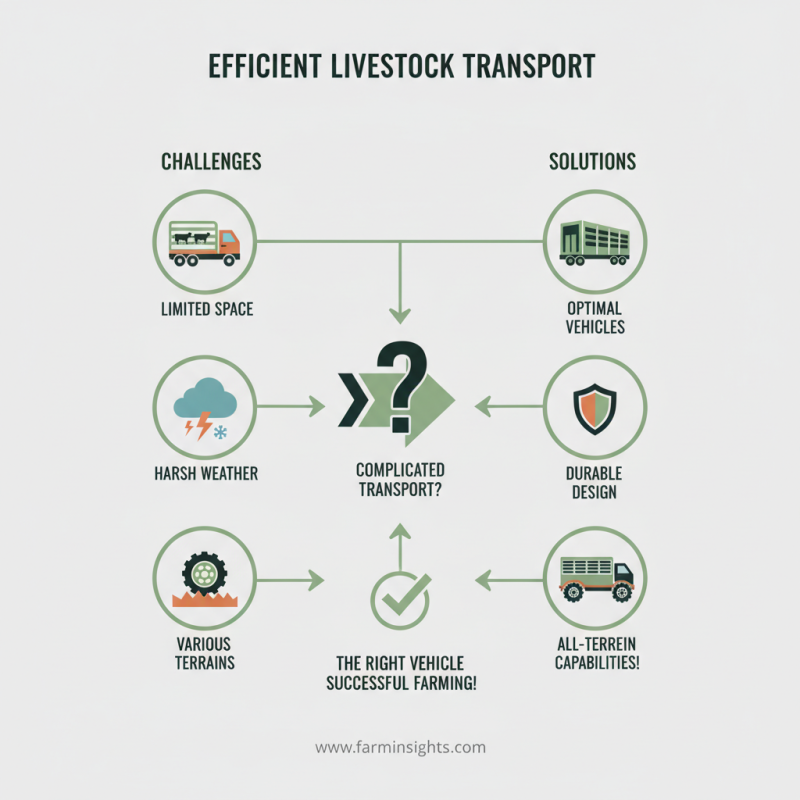
Transporting livestock efficiently is crucial for a successful farm operation. The right vehicles can make all the difference. Many farmers face challenges. Limited space, harsh weather, and various terrains can complicate transportation. Choosing the ideal vehicle can help overcome these obstacles.
Consider vehicles designed with proper ventilation. Livestock needs air circulation during transit. Various models offer adjustable racks and non-slip floors. Other features, such as shock absorption systems, can enhance comfort. Comfort is not just for animals; it matters for drivers, too. Safety should never be compromised.
It’s essential to recognize that not all vehicles are created equal. Some might not have the capacity for larger herds. Farmers should evaluate their specific needs. Regular maintenance is key to keeping vehicles reliable. An efficient transport vehicle can save time and costs. Often, a simple adjustment can improve vehicle performance significantly.
Comparative Analysis of Costs and Benefits of Each Vehicle
When considering livestock transport, cost efficiency is key. A recent industry report states that specialized trailers can reduce transport costs by approximately 25%. These trailers, designed with ventilation and safety in mind, ensure animal welfare during trips. However, maintenance costs can add up. Regular checks are often overlooked, leading to unexpected expenses.
For farmers, investing in a multi-species transport vehicle may seem beneficial. It allows for greater flexibility. Yet, this comes with a downside. The initial purchase price is higher, impacting budgets significantly. A cost-benefit analysis from the Agriculture Transportation Institute indicates that larger capacity doesn’t always translate to savings. Operators often must manage more complex logistics.
Moreover, accessibility is often a challenge. Some rural areas lack suitable roads for larger vehicles. This issue can cause delays and increased operational costs. Farmers should weigh the trade-offs carefully. Efficiency should match operational needs. Balancing initial investments and operating costs requires thorough research.
Maintenance and Safety Tips for Livestock Transport Vehicles
Transporting livestock requires careful planning and attention to detail. Regular maintenance of transport vehicles is essential. Check the tires, brakes, and lights frequently. Ensure the vehicle is clean to prevent diseases. Filth can harbor bacteria that harm animals. A clean environment enhances animal comfort during transit.
Safety is paramount. Ensure that the livestock is properly secured to minimize movement during transit. Use partitions if necessary, especially with larger animals. Overcrowding can lead to stress and injury. Monitor temperature inside the vehicle, as extreme heat or cold can affect animal health.
Take time to reflect on your transport practices. Are you ensuring the least stressful experience for your animals? Gathering feedback from your team can help improve procedures. Regularly evaluate the condition of your transport vehicle. It might need more care than you think. An overlooked issue can escalate quickly. Prioritize preventative measures for better outcomes.
10 Best Livestock Transport Vehicles for Efficient Farming Solutions
| Vehicle Type |
Capacity (Animals) |
Fuel Type |
Safety Features |
Maintenance Frequency |
| Livestock Trailer |
4-8 |
Diesel |
Anti-slip floor, ventilation |
Monthly |
| Livestock Transport Truck |
10-15 |
Gasoline |
Cages, low-loading ramps |
Every 3 months |
| Custom Livestock Van |
6-10 |
Electric |
GPS tracking, emergency exits |
Every 2 months |
| Flatbed Truck |
8-12 |
Diesel |
Tie-down hooks, extended sides |
Monthly |
| Goat Transport Trailer |
4-6 |
Gasoline |
Ventilation, secure gates |
Every 2 months |
| Horse Box |
2-4 |
Diesel |
Rubber flooring, internal dividers |
Monthly |
| Cattle Truck |
15-20 |
Diesel |
High sides, partitioning |
Every 3 months |
| Small Livestock Trailer |
2-4 |
Gasoline |
Low floor height, escape doors |
Every month |
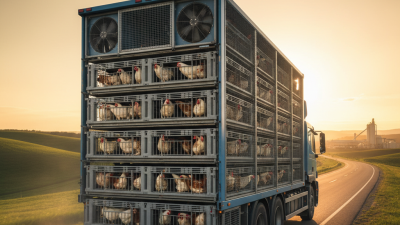
| Poultry Transport Vehicle |
200-300 |
Gasoline |
Air vents, secure flooring |
Every 2 months |