2026 Best Layer Egg Equipment for Your Farming Needs?
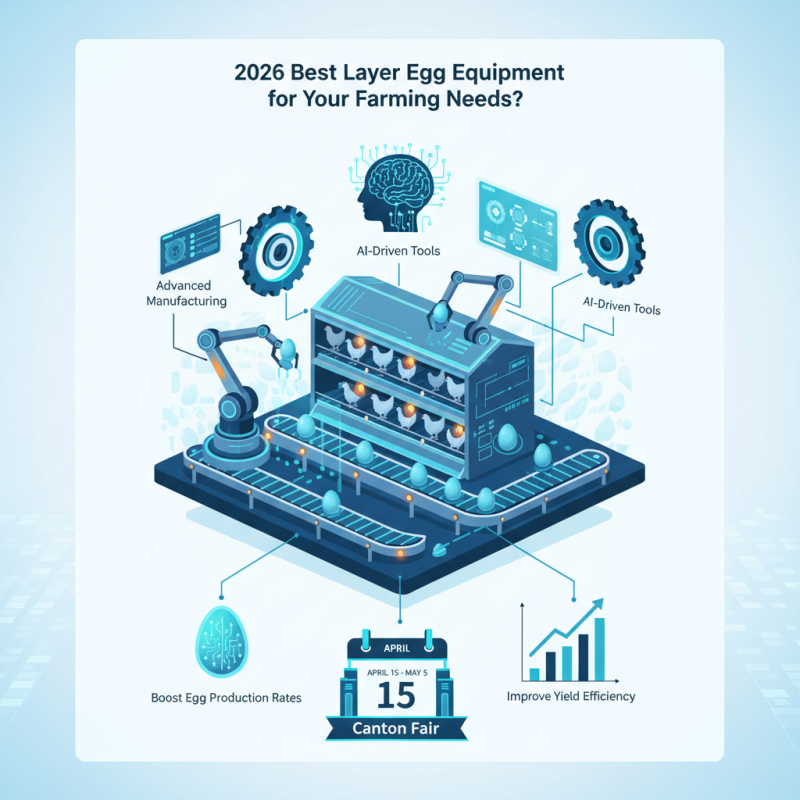
In the evolving landscape of poultry production, selecting the right Layer Egg Equipment has become crucial for farmers. John Thompson, a leading expert in the industry, emphasizes, “The right equipment can significantly boost egg production rates.” As the demand for high-quality eggs continues to rise, so does the need for innovative farming solutions.
The upcoming 2026 Canton Fair will showcase a variety of advanced Layer Egg Equipment options. From April 15 to May 5, various sectors, including advanced manufacturing and agricultural technology, will be highlighted. This event is a golden opportunity for farmers to explore cutting-edge tools that optimize operations and improve yield efficiency.
Even with modern advancements, many farmers still struggle to adapt to new technologies. The implementation of AI-driven tools could greatly enhance decision-making, yet not all farmers are ready to embrace change. As we look toward the future, addressing these challenges will be key in maximizing the full potential of Layer Egg Equipment.
Understanding Layer Egg Equipment: Key Features and Benefits
When considering layer egg equipment, understanding its key features is essential. Proper nesting systems are vital for hens. They provide comfort and privacy. A suitable environment encourages laying. This ultimately boosts egg production.
Ventilation systems are another critical aspect. Adequate airflow keeps the temperature stable. It helps to prevent heat stress in hens. Additionally, the equipment should be easy to clean. Regular maintenance ensures higher hygiene standards. Poor sanitation can lead to health issues.
Automated feeding systems can save time. They deliver feed consistently throughout the day. However, the initial cost can be a concern. Farmers must weigh expenses against benefits. The right technology can enhance efficiency but may be challenging to implement. Always assess your unique farming needs before investing.
2026 Best Layer Egg Equipment for Your Farming Needs
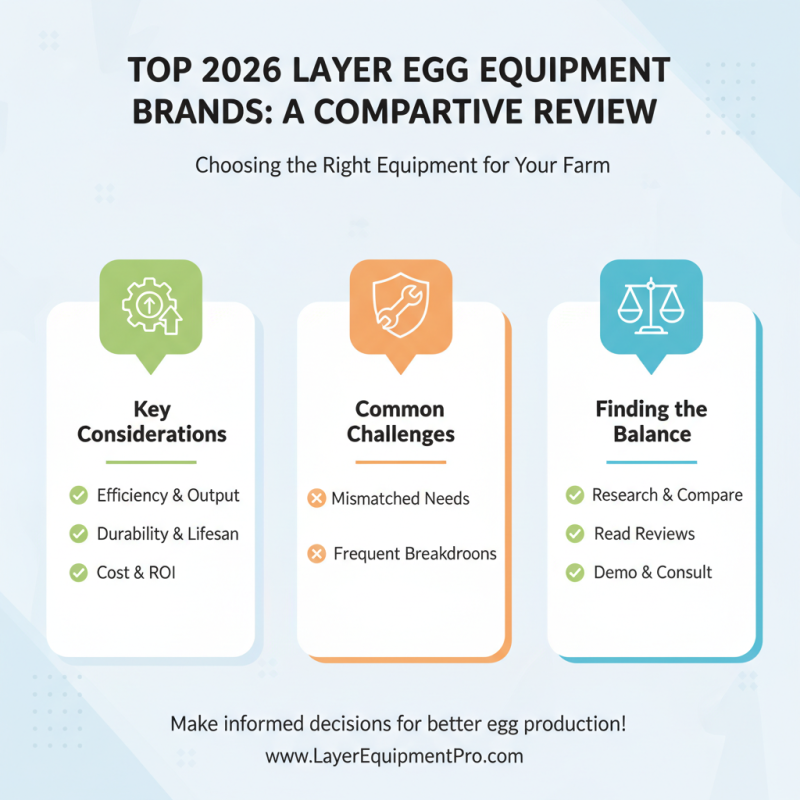
Top 2026 Layer Egg Equipment Brands: A Comparative Review
Choosing the right layer egg equipment is crucial for any farming operation. The market offers a variety of tools designed to improve egg production. When looking for equipment, factors such as efficiency, durability, and cost should be considered. Many farms struggle with equipment that doesn’t meet their needs. It’s essential to find the right balance.
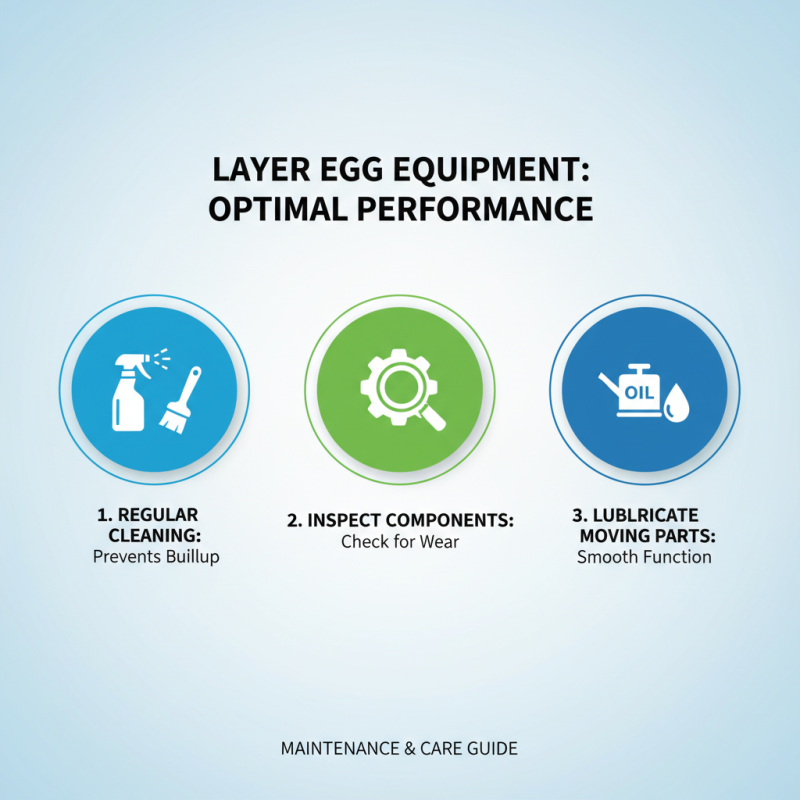
Tips: Always assess your farm size before making a purchase. Each piece of equipment should fit your operational scale. Smaller farms may need different tools than larger operations. Regular maintenance is also vital. Neglect can lead to more significant issues and costly repairs.
Some equipment might lack certain features. For instance, an auto-feeder may not distribute food evenly. Research reviews from other farmers before deciding. Think about the specific needs of your livestock. Equipment should cater to their wellness too. Every detail counts, and the right choice could enhance overall productivity.
Essential Factors to Consider When Choosing Layer Egg Equipment
When selecting layer egg equipment, consider your farming needs carefully. The size of your farm matters. A small farm may not need large-scale systems. Conversely, large operations require equipment that can handle high volume efficiently. Think about the space available. Equipment should fit well within your facilities. Avoid overcrowding, as this can lead to stress in your hens.
Tip: Always assess your current and future needs. It’s essential to choose equipment that can grow with your farm. This foresight can save you money down the line.
Hygiene is another critical factor. Layer equipment should be easy to clean. Regular maintenance is vital for egg production and hen health. Inspect the materials used. High-quality materials may cost more upfront but offer better longevity. Cheaper options might fail quickly.
Tip: Consult with experts when unsure. Their insights can guide you in making informed decisions. Reflect on your selections and be open to adjustments if needed. This proactive approach can enhance your farming efficiency and productivity.
Future Trends in Layer Egg Production Equipment for Sustainable Farming
In 2026, sustainable farming places a spotlight on layer egg production equipment. Industry analysts predict significant shifts towards eco-friendly technologies. The global market for layer equipment is expected to reach $7 billion by 2026, reflecting growing demands for higher efficiency and reduced environmental impact.
A recent report from the International Egg Commission indicates that automation will play a vital role. Smart systems can improve flock management, monitoring health and productivity constantly. Yet, many farmers may struggle with the transition to these technologies. Initial costs can be daunting, often leaving smaller operators behind.
Energy-efficient systems are becoming essential. They not only reduce operating costs but also support sustainability goals. For example, incorporating solar power into operations can lead to 30% energy savings. However, the reliance on technology raises questions. Is it making farming too dependent on machines? Are farmers losing touch with traditional practices? These nuances in layer egg production equipment will stir discussions in the years to come.