2026 Best Chicken Equipment for Efficient Poultry Farming?
Poultry farming is evolving rapidly. As we approach 2026, the focus on innovative and efficient Chicken Equipment is more critical than ever. Experts in the field, such as Dr. John Harris, a veteran in poultry management, state, "Efficient chicken equipment not only boosts production but also ensures animal welfare." This insight emphasizes the dual responsibility of poultry farmers: ensuring productivity while caring for their livestock.
Selecting the right Chicken Equipment can significantly impact the farm's output. From automatic feeders to climate control systems, each piece plays a role in the overall success. However, it's essential to recognize that not all equipment suits every operation. Farmers need to thoughtfully evaluate their unique requirements. A one-size-fits-all approach often leads to inefficiencies.
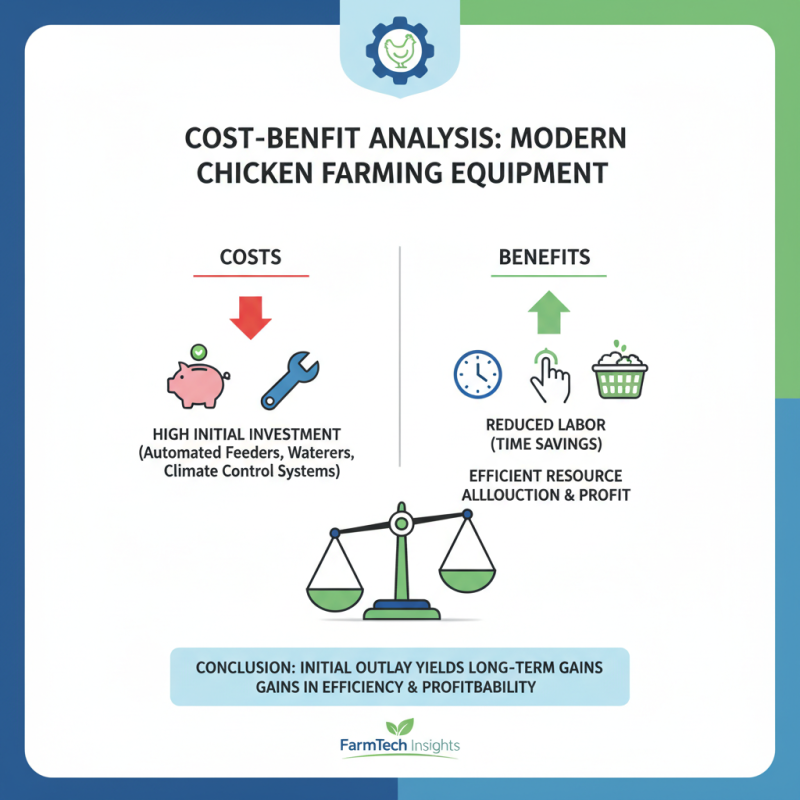
Moreover, attention must be paid to the investment aspect. High-quality Chicken Equipment can come with a hefty price tag. Yet, neglecting this vital area can lead to long-term losses. Each piece of equipment should serve a specific purpose, aligning with both production goals and budget constraints. Seeking expert advice and staying updated on advancements will aid in making informed decisions.
2026 Trends in Chicken Equipment for Poultry Farming Efficiency
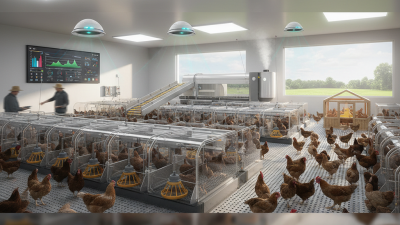
In 2026, poultry farming continues to evolve, with an emphasis on efficiency through innovative chicken equipment. One significant trend is the integration of smart technology. Sensors can monitor flock health in real time, signaling farmers about any issues. This prevents massive losses, ensuring a healthier yield.
Tips: Regular maintenance of your equipment can extend its lifespan. Don’t overlook the small details. A minor malfunction could escalate into a significant problem.
Another noteworthy trend is sustainable materials in chicken coops. Eco-friendly designs are becoming popular among farmers. These structures not only enhance comfort but also reduce the carbon footprint. Farmers find that investing in such equipment pays off in the long run.
Tips: Consider your farm's layout before upgrading equipment. Improper placement can hinder efficiency, leading to wasted time. Think critically about each piece of equipment.
Emphasizing training for staff on new technologies is essential. Many farmers struggle to adapt to rapid changes. Ongoing education can greatly enhance operational efficiency and poultry productivity. Make this a priority in your farming strategy.
2026 Trends in Chicken Equipment for Poultry Farming Efficiency
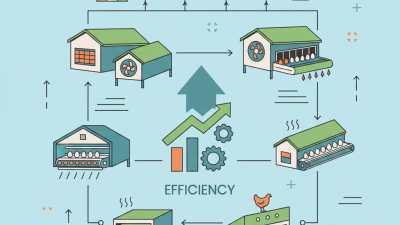
This chart illustrates the growing trends of various chicken equipment in 2026, showcasing their predicted effectiveness level based on efficiency metrics such as feed conversion ratio improvement, automation level, and space utilization.
Key Technologies in Poultry Equipment for Optimal Production Rates
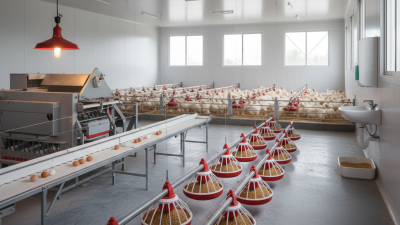
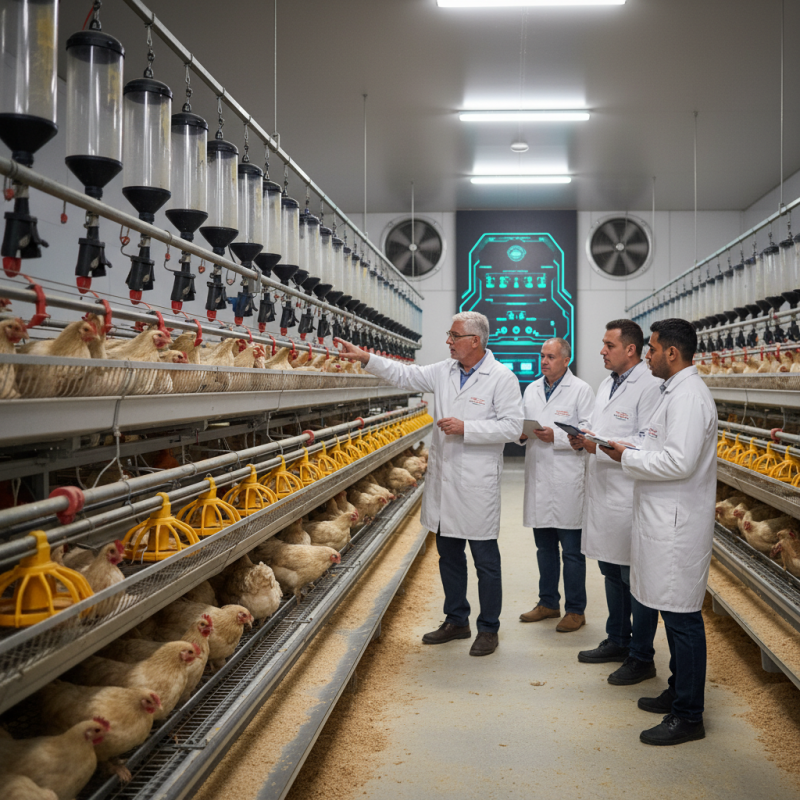
In modern poultry farming, technology plays a crucial role in maximizing production rates. Essential equipment includes automated feeders and drinkers, which reduce labor and waste. These tools ensure that birds receive precise amounts of feed and water. Moreover, climate control systems help maintain optimal living conditions for the flocks. By monitoring temperature and humidity, farmers can enhance bird health and productivity.
Another key technology is the use of advanced monitoring systems. These systems track bird growth and health data in real-time. Farmers can quickly spot any issues, allowing for timely interventions. Biosecurity measures are also increasingly important. Creating secure environments limits disease spread, although they sometimes require substantial initial investment.
However, with all these advancements, challenges remain. Not all farmers may feel comfortable with the tech. Training staff to use sophisticated equipment takes time and resources. Integration of different technologies can lead to complications. Each farm's unique needs must be considered for optimal effectiveness. The reliance on technology should complement traditional farming knowledge, not replace it.
Impact of Automation on Poultry Management and Operation Costs
In recent years, automation has made significant strides in poultry farming. According to a report by Grand View Research, the global poultry automation market is expected to reach $13.74 billion by 2025. This rise showcases the industry's shift towards innovative technologies that redefine operational efficiency. Farmers increasingly adopt automated feeding systems, climate control units, and monitoring technologies. These systems can reduce labor costs by up to 25%, making them an attractive option for many operations.
However, while automation streamlines operations, it comes with challenges. Upfront costs remain a barrier for small-scale farmers. Initial investment can be substantial, often requiring loans or scaling back other expenses. Many farmers find it tough to balance technology costs with their budgets. Additionally, the reliance on automated systems means that a technical failure can lead to severe consequences. Regular maintenance and staff training become crucial for operational longevity.
Despite these challenges, the potential for increased productivity is substantial. A well-implemented system can improve feed utilization rates by 10-20%, leading to better growth and profitability. Farmers are increasingly recognizing that while automation requires an investment, its long-term benefits can outweigh initial hurdles. Adopting this technology may entail navigating initial difficulties, but it ultimately positions farms for future success.
Innovations in Feed and Water Systems for Healthier Chickens
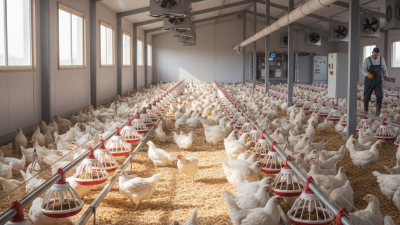
Innovations in poultry farming focus significantly on feed and water systems. Advanced systems can enhance chicken health and productivity. According to a recent report by the Food and Agriculture Organization, the right feeding strategies can increase feed efficiency by 15-20%. This improvement directly impacts poultry growth rates and overall farm profitability.
Automated water systems have also evolved. These systems ensure that chickens receive consistent access to clean water, which is crucial for their health. Studies show that birds with adequate hydration can have a 10% increase in growth performance. However, installing these systems comes with challenges. Not every farmer has access to the latest technology, which can create disparities in production rates.
Moreover, the feed is an area needing reflection. High-quality feed formulations are key, but sourcing can be inconsistent. Farmers must balance cost with nutritional value. It's essential to analyze local feed ingredients continuously. Sustainable practices can also reduce dependence on imported feeds, promoting a healthier ecosystem. This reflection leads to better long-term outcomes for both the poultry and the environment.