2026 Top Bulk Feed Transport Vehicle Innovations and Trends?
The bulk feed transport vehicle industry is witnessing transformative innovations as we approach 2026. Experts are exploring new designs and technologies that enhance efficiency and sustainability. John Smith, a leading authority in agricultural transport, emphasizes, "Innovation is key to overcoming the challenges faced by bulk feed transport vehicles."
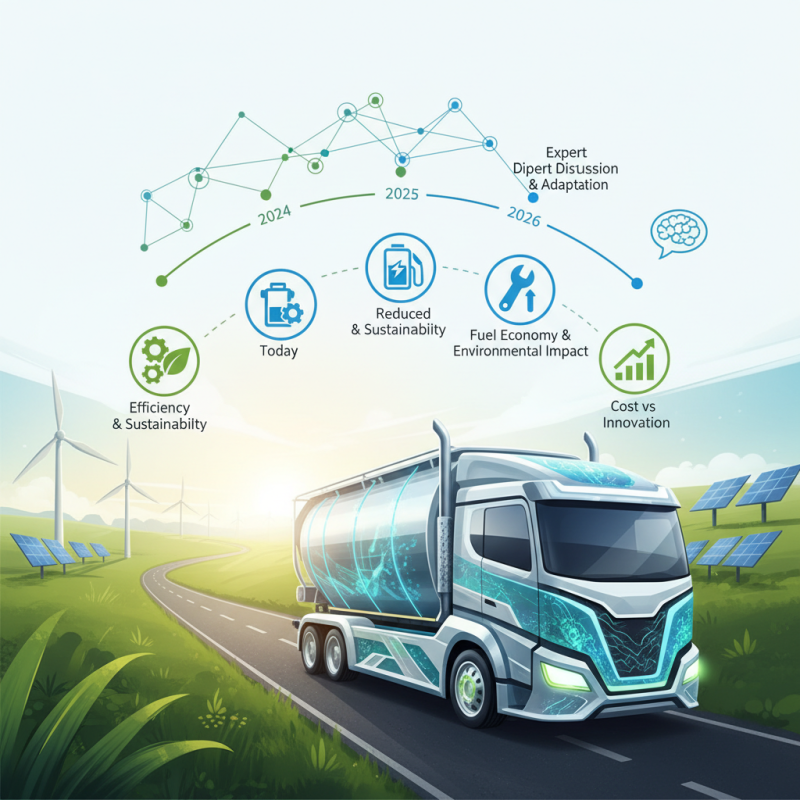
Today's market demands vehicles that not only meet regulatory standards but also reduce environmental impact. Companies are integrating advanced materials and aerodynamics into their designs. These features aim to increase payload efficiency and fuel economy. However, many companies struggle to balance cost and innovation. The pursuit of better solutions often leads to trial and error.
As we move forward, it's crucial to reflect on the road ahead. The industry must embrace new technologies while staying grounded in practical applications. Continuous discussion among experts will shape the future of bulk feed transport vehicles. Our ability to adapt will define the effectiveness of these innovations.
2026 Innovations in Bulk Feed Transport Vehicles
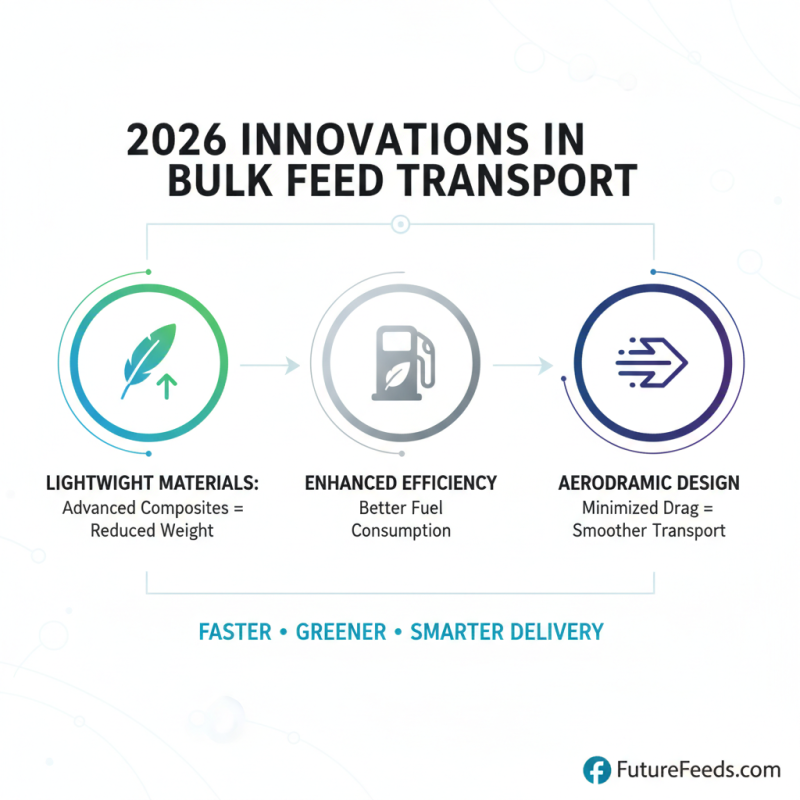
The bulk feed transport vehicle industry is evolving rapidly. Innovations in vehicle design enhance efficiency. Lightweight materials, like advanced composites, reduce overall weight. This change can lead to better fuel consumption. Moreover, aerodynamic shapes minimize drag, promoting smoother transport.
Technology plays a crucial role in this evolution. Many vehicles now incorporate telematics for real-time tracking. This feature enables fleet managers to monitor performance closely. It's easier to identify issues in transit, enhancing reliability. Automation is another trending aspect. Semi-autonomous systems assist drivers in navigation and safety, though full automation remains a future goal.
Sustainability is increasingly important. Electric and alternative fuel vehicles are emerging, but challenges remain. Infrastructure for charging or refueling can be inadequate. The transition requires significant investment. Additionally, training for drivers must adapt to new technologies. Balancing innovation with practicality is vital for comprehensive progress.
Sustainability Trends in Feed Transportation
Sustainability is becoming essential in feed transportation. Innovations are focused on reducing the environmental impact. One major trend is the use of alternative fuels. These fuels can lower carbon emissions and promote cleaner operations. Electric and hybrid-powered transport vehicles are also gaining popularity. They offer efficient solutions for bulk feed transport.
Tips: Consider the local infrastructure when choosing alternative fuels. Electric stations are not available everywhere. Also, monitor the vehicle’s performance regularly to ensure it meets sustainability goals.
Another trend is the adoption of smart technologies. Telematics and GPS tracking help optimize routes. Efficient routing reduces fuel consumption and enhances delivery times. However, investing in technology can be costly initially. It’s important to evaluate the long-term savings versus upfront costs.
Tips: Start with a small implementation of telematics. Examine its effectiveness over a few months. Adjust your approach based on data received. This cautious strategy reduces risks while pursuing innovation.
2026 Top Bulk Feed Transport Vehicle Innovations and Trends
This chart illustrates the projected adoption rates of various innovations and trends in bulk feed transportation for 2026. Among these, electric vehicles are expected to lead in adoption, followed by alternative fuels and smart logistics solutions.
Enhanced Safety Features for Bulk Transport Vehicles
The bulk feed transport industry is evolving rapidly, with safety becoming a paramount concern. In recent studies, nearly 40% of transport-related accidents stem from vehicle malfunctions. This statistic emphasizes the need for enhanced safety features in bulk transport vehicles. Innovations in technology, such as collision detection systems and automated braking, are critical in minimizing these risks.
Industry reports indicate that vehicles equipped with advanced safety technologies show a 25% decrease in accident rates. Inspections have also revealed that standardized safety protocols can improve vehicle reliability by up to 30%. However, many operators still rely on outdated fleets, which may lack these crucial advancements. This gap highlights a significant area for improvement in fleet management and vehicle upgrades.
Furthermore, driver training remains a critical factor in enhancing safety. Studies suggest that 55% of accidents could be avoided with proper training and awareness programs. While technology is vital, human factors cannot be overlooked. Integrating both advanced vehicle safety features and comprehensive driver education is essential to creating a safer bulk transport environment. Addressing these challenges requires ongoing commitment and investment from transport companies.
Market Impact of Automation in Feed Delivery Systems
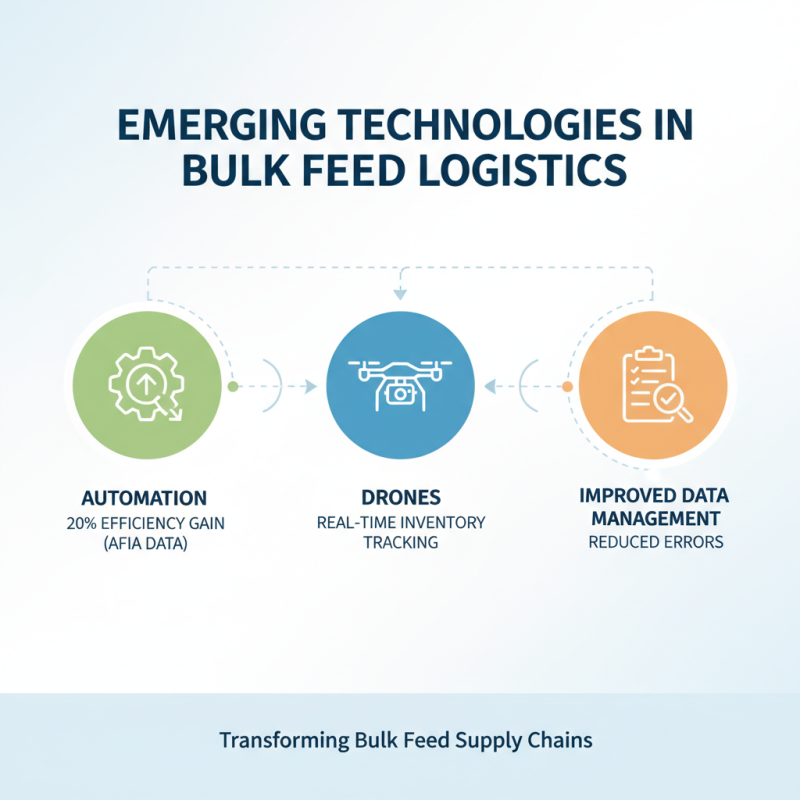
The automation of feed delivery systems is transforming the bulk feed transport landscape. According to the latest industry reports, automated systems can enhance efficiency by up to 30%. This means faster and more accurate deliveries, optimizing resource use in the agricultural sector. However, the potential for errors remains, particularly if the systems rely too heavily on technology without proper oversight.
Integrating automation can also lead to a significant reduction in labor costs. For instance, reports indicate a 20% decrease in manpower requirements when modern feed systems are implemented. Yet, companies must be cautious. A lack of skilled operators can hinder effective system management, leading to breakdowns and inefficiencies.
**Tips:** Regular training sessions for staff can help bridge the skills gap. Consider investing in hybrid systems that blend manual operations with automation. This approach allows for flexibility and better error management. A prudent balance is essential as we embrace these innovations while recognizing their limitations.