2026 Top Bulk Feed Tipper Innovations and Trends for the Future?
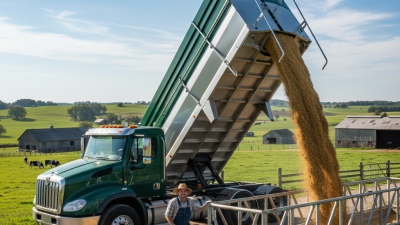
The future of agriculture is always evolving. One critical innovation in this sector is the Bulk Feed Tipper. As the demand for efficient feeding solutions grows, so does the importance of this equipment. Bulk Feed Tippers play a crucial role in transporting animal feed seamlessly. They ensure that livestock receive the right nutrition at the right time.
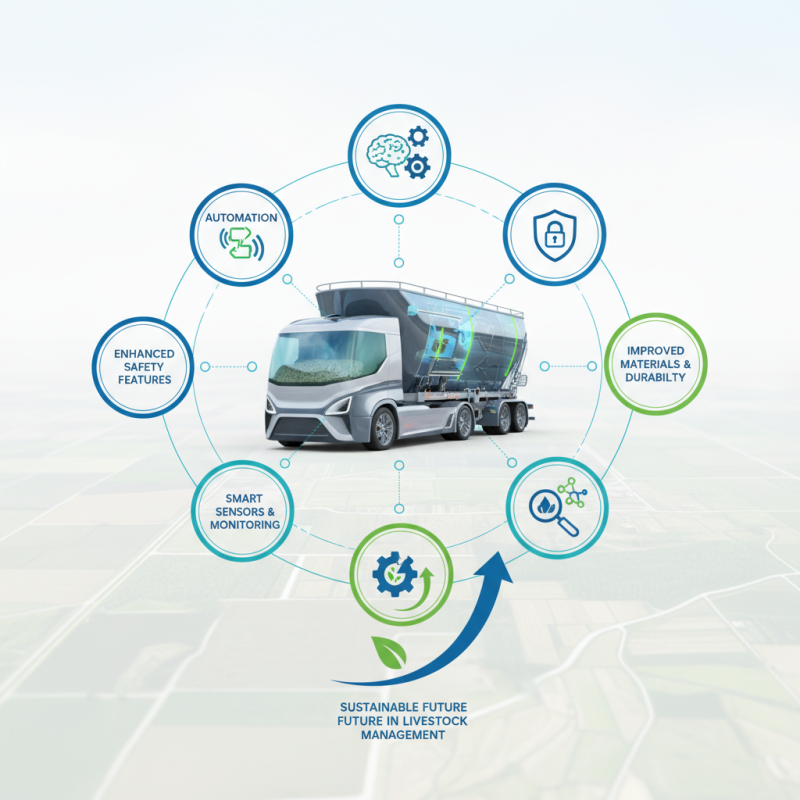
In 2026, we can expect significant advancements in Bulk Feed Tipper technology. Manufacturers are focusing on automation and enhanced safety features. Innovations may include smart sensors that monitor feed levels, ensuring timely deliveries. Additionally, improved materials could reduce wear and prolong the lifespan of these tippers. However, amidst these innovations, challenges remain. Many users still face issues with reliability and maintenance. Addressing these problems is essential for effective use.
Understanding these trends is vital. As farmers and businesses adapt, Bulk Feed Tippers must meet changing industry needs. The path forward is not without hurdles, but opportunities abound. Embracing innovations while reflecting on past shortcomings can lead to a more sustainable future in livestock management.
2026 Innovations in Bulk Feed Tippers: A Comprehensive Overview
As we look toward 2026, innovations in bulk feed tippers reveal a shift in design and functionality. These advancements are driven by the need for efficiency and sustainability. Modern tippers now boast improved load capacities and lighter materials. This change aids in fuel efficiency during transport.
Smart technology integration is another significant trend. Real-time data collection helps monitor load status and vehicle performance. However, the reliance on technology can be risky. What happens during a system failure? Operators must be prepared for unexpected issues that could arise.
Additionally, environmental concerns are shaping the future of bulk feed tippers. Manufacturers focus on eco-friendly materials. Using recycled components is becoming the norm. While these efforts are commendable, questions linger about long-term durability. What compromises are made to achieve sustainability?
Balancing innovation with practicality remains a challenge.
Key Trends Shaping the Future of Bulk Feed Tipping Technology
The future of bulk feed tipping technology is being shaped by several key trends. Automation is one of the most notable advancements. Automated systems reduce labor costs and improve efficiency. Operators can monitor tipping processes from a distance. This minimizes errors and enhances safety.
Another trend is the integration of smart technology. Sensors and IoT devices are becoming standard. They provide real-time data on feed levels and equipment status. This information helps prevent overloading or equipment breakdowns. However, reliance on technology raises concerns. What if a system fails during operation? It’s crucial to have backup plans.
Sustainability is also a significant factor. Companies are focusing on eco-friendly materials. Lightweight constructions can reduce fuel consumption during transport. Yet, sourcing sustainable materials can be challenging, often leading to higher costs. As the industry evolves, these aspects must be addressed carefully to ensure a balanced approach.
2026 Top Bulk Feed Tipper Innovations and Trends for the Future
| Innovation/Trend |
Description |
Expected Impact |
Implementation Year |
| Automated Tipping Systems |
Integration of robotics and automation technology to streamline tipping processes. |
Increased efficiency and reduced labor costs. |
2025 |
| Smart Sensors |
Use of IoT sensors to monitor feed levels and optimize delivery schedules. |
Enhanced inventory management and waste reduction. |
2026 |
| Software Integration |
Development of software solutions that integrate tipping machinery with overall supply chain management. |
Improved coordination and data accuracy. |
2024 |
| Eco-Friendly Materials |
Shift towards using sustainable and biodegradable materials in tipping trucks. |
Reduction of environmental footprint. |
2025 |
| Real-time Data Analytics |
Leveraging data analytics to improve operational decisions based on real-time feed data. |
Increased responsiveness and reduced operational delays. |
2026 |
Impact of Automation on Bulk Feed Delivery Systems by 2026
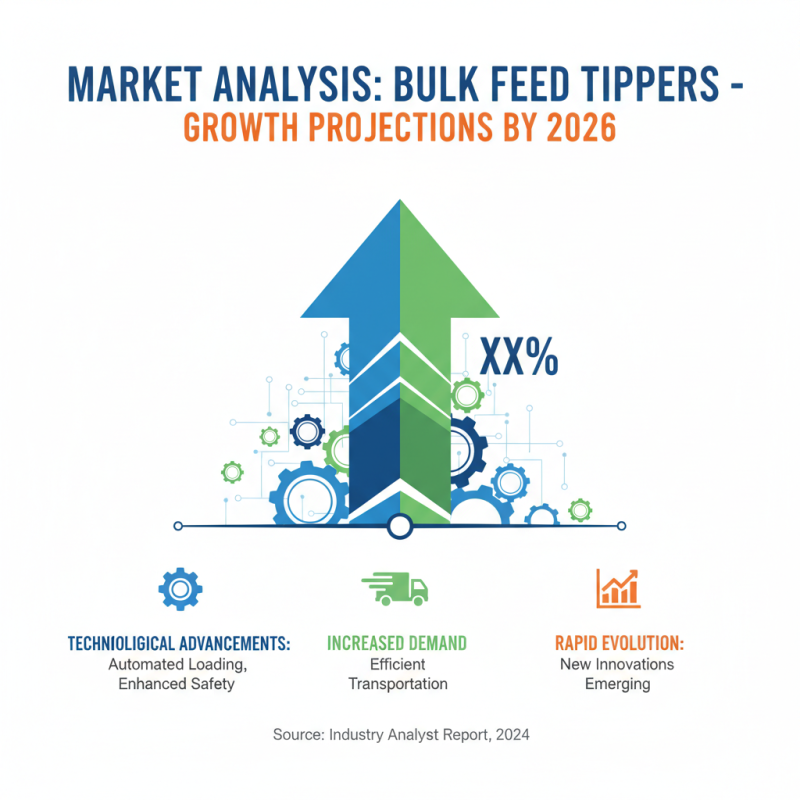
As bulk feed delivery systems evolve, automation is a key player in shaping their future. Predictions indicate that by 2026, up to 40% of bulk feed operations could be fully automated. This shift aims to reduce labor costs and increase efficiency. However, the transition isn't without challenges. Many companies may struggle with implementation costs and employee retraining.
Automation technologies, such as GPS tracking and real-time data analysis, are set to revolutionize logistics. Reports show that automated systems can improve delivery accuracy by 30%. While this is promising, some businesses may find it hard to keep pace. Not all organizations have the resources to invest in these advanced technologies.
There’s also a human element to consider. Workers may fear job losses due to automation. Addressing these concerns is crucial for a smooth transition. Balancing efficiency with workforce integration will be key. Companies need to reflect on how to maintain human oversight in automated processes. This can prevent potential issues in feed quality and safety.
Sustainability Practices in Bulk Feed Tipper Designs and Operations
The evolution of bulk feed tipper designs is increasingly focused on sustainability. Many manufacturers are adopting eco-friendly materials. These materials reduce environmental impact. Lightweight composites, for instance, contribute to lower fuel consumption during transport. This shift reflects a growing awareness in the industry.
Energy efficiency is also becoming a priority. Advanced hydraulic systems are emerging, offering optimized performance with reduced energy use. This creates a win-win situation for businesses and the environment. However, the transition is not without challenges. Some existing designs may not easily accommodate these innovations. Modifications can be costly and time-consuming.
Operators are encouraged to adopt sustainable practices in daily operations as well. Regular maintenance helps to improve performance and longevity. Yet, many overlook this crucial step. A lack of training often leads to inefficient use. Investing in operator education can yield positive results. Awareness and commitment to sustainability are key to future success in bulk feed tipping.